In an era where digital landscapes are reshaping education and therapy, storytelling apps emerge as powerful catalysts for children on the autism spectrum. These tools do more than entertain; they unlock pathways to imagination, refine linguistic dexterity, and foster emotional resonance. For neurodivergent learners, the fusion of narrative and technology can transform abstract concepts into tangible experiences, bridging gaps that traditional methods sometimes struggle to traverse. This article explores the multifaceted world of storytelling apps designed for autistic children, highlighting their unique features, therapeutic applications, and the diverse content formats that make them indispensable tools in both educational and therapeutic settings.
The Transformative Power of Narrative in Autism
Storytelling is not merely a pastime—it is a foundational cognitive process that structures thought, emotion, and communication. For children with autism, who often experience challenges in language acquisition and imaginative play, narrative-based tools offer a structured yet flexible medium to explore ideas. These apps leverage visual, auditory, and interactive elements to create immersive experiences that resonate with the child’s sensory preferences. By embedding learning within a story, children are more likely to engage deeply, as narratives provide context that abstract lessons often lack. This method aligns with the autistic child’s tendency to thrive in predictable, rule-based environments while simultaneously encouraging cognitive flexibility through creative exploration.
Interactive Storytelling: A Gateway to Language Development
Interactive storytelling apps distinguish themselves by allowing children to co-create narratives, make choices, and witness the consequences of their decisions in real time. These platforms often feature customizable characters, settings, and plot twists, enabling children to experiment with language in a low-pressure environment. For instance, apps that incorporate voice recording or text-to-speech functionalities empower children to articulate their thoughts aloud, reinforcing verbal expression and pronunciation. The iterative nature of these interactions—where children can replay, revise, and refine their stories—builds confidence and linguistic fluency. Moreover, the gamified elements, such as rewards for completing story segments, tap into the autistic child’s affinity for structure and achievement, making language acquisition feel less like a chore and more like an adventure.

Visual Narratives: Bridging the Gap Between Imagination and Expression
For many autistic children, visual processing is a strength, and storytelling apps that prioritize imagery over text can be particularly effective. These apps often use vibrant illustrations, animations, and symbol-based communication systems to convey narratives. Visual narratives reduce cognitive load by eliminating the need for abstract decoding, allowing children to focus on the story’s emotional arc and character dynamics. Some apps integrate social stories—short, personalized narratives that explain social scenarios—helping children navigate real-world interactions with greater ease. The ability to manipulate visual elements, such as rearranging story panels or selecting from a library of pre-designed characters, fosters a sense of agency and ownership over the narrative, which is crucial for developing self-expression.
Augmentative and Alternative Communication (AAC) Integration
Storytelling apps that incorporate AAC tools serve as a bridge between nonverbal children and the world of language. These platforms often include picture exchange systems, symbol libraries, or text-to-speech features that allow children to construct sentences by selecting visual icons. When embedded within a storytelling framework, AAC becomes more than a communication tool—it transforms into a creative outlet. Children can use these systems to narrate their own stories, describe their emotions, or even invent fantastical tales. The integration of AAC within storytelling apps ensures that children with varying levels of verbal ability can participate fully, reinforcing the idea that language is a tool for both expression and connection.
Personalized Storytelling: Tailoring Narratives to Individual Needs
The beauty of digital storytelling lies in its adaptability. Many apps allow parents, therapists, and educators to customize narratives to align with a child’s specific interests, learning goals, and sensory preferences. For example, a child fascinated by dinosaurs might engage more deeply with a story about prehistoric creatures, while another who struggles with transitions might benefit from a narrative that gently introduces new routines. Personalization extends beyond content selection; it includes adjusting the app’s interface—such as simplifying menus, reducing distractions, or incorporating the child’s favorite colors and sounds. This level of customization ensures that the storytelling experience is not only engaging but also therapeutically relevant, addressing the unique challenges each child faces.
Collaborative Storytelling: Fostering Social Connection
While many autistic children thrive in solitary activities, storytelling apps can also facilitate collaborative play, encouraging interaction with peers, siblings, or caregivers. Multiplayer features allow children to co-author stories, take turns adding sentences, or even role-play different characters. These shared experiences cultivate turn-taking skills, empathy, and social reciprocity—areas where autistic children often encounter difficulties. For instance, an app that prompts children to describe a character’s feelings can serve as a gentle introduction to emotional intelligence, while a collaborative story-building game can reinforce the concept of shared attention. The digital medium provides a safe, structured space for these interactions, reducing the anxiety that can accompany face-to-face socialization.
Sensory-Friendly Storytelling: Designing for Neurodivergent Minds
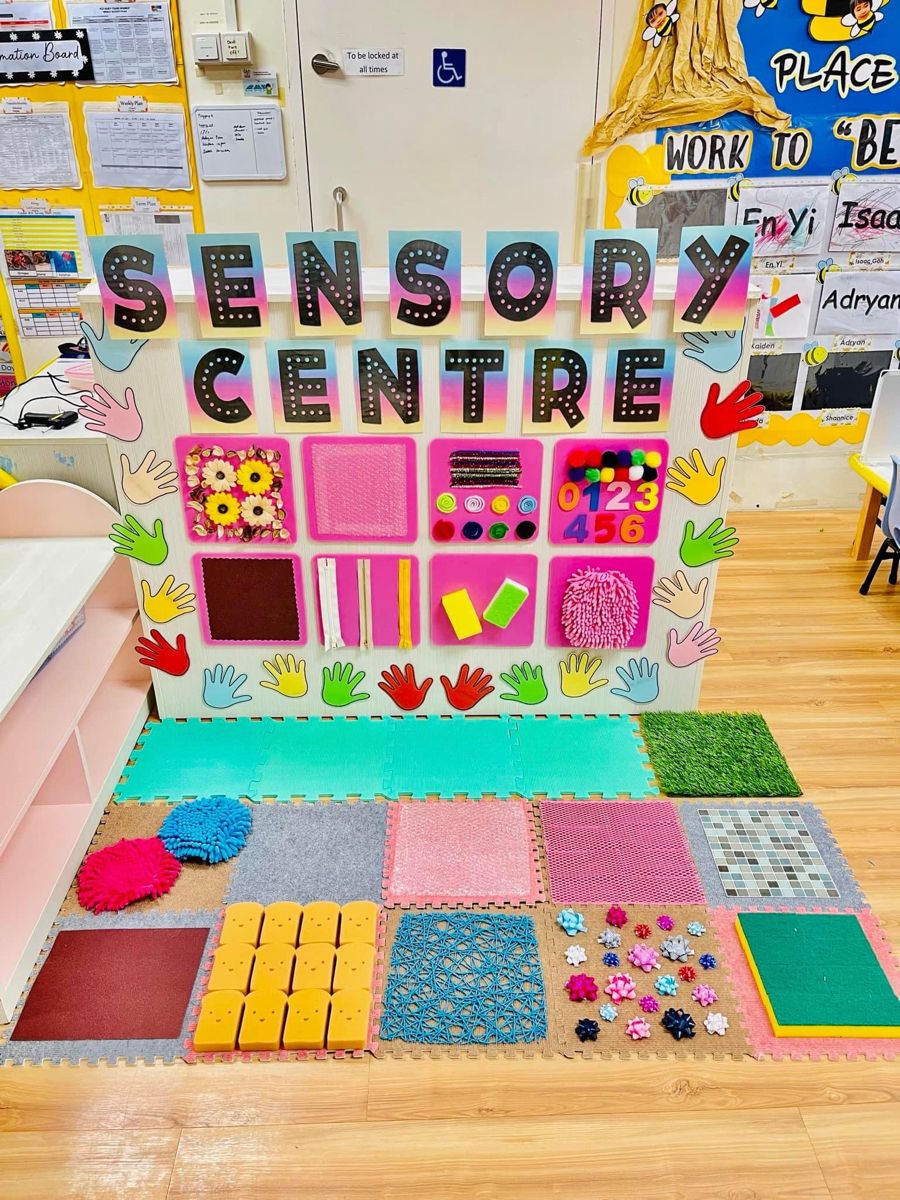
Sensory sensitivities are a common trait among autistic children, and storytelling apps that prioritize sensory-friendly design can make a significant difference in engagement and comfort. These apps often feature adjustable settings, such as volume controls, color contrast options, and minimalist interfaces to reduce visual clutter. Some incorporate calming soundscapes or tactile feedback to enhance immersion without overwhelming the child. For children who are hypersensitive to stimuli, apps that allow for gradual exposure—such as slowly introducing new elements—can prevent sensory overload. Conversely, for children who seek sensory input, apps with interactive animations or vibration features can provide the stimulation they crave. By designing with neurodiversity in mind, these tools ensure that storytelling remains an enjoyable and accessible activity for all children.

Educational Storytelling: Reinforcing Academic and Life Skills
Beyond their therapeutic benefits, storytelling apps can also serve as powerful educational tools. Many platforms incorporate curricular content, such as math problems embedded within a narrative or historical events retold through interactive timelines. For autistic children, these apps can make abstract subjects more concrete by framing them within a story. Life skills, such as problem-solving or emotional regulation, can also be taught through narrative-based scenarios. For example, a story about a character managing frustration might include interactive prompts that guide the child through calming strategies. The seamless integration of learning objectives within a story ensures that children remain engaged while absorbing critical skills, making education feel like an extension of play rather than a separate task.
Tracking Progress: Data-Driven Insights for Caregivers
One of the most valuable features of modern storytelling apps is their ability to track a child’s progress over time. Many platforms generate detailed reports on usage patterns, such as the frequency of story creation, the complexity of sentences used, or the child’s engagement with specific features. These data-driven insights allow caregivers and therapists to identify trends, celebrate milestones, and adjust strategies as needed. For instance, if a child consistently struggles with certain narrative structures, targeted interventions can be introduced. The transparency provided by these analytics empowers caregivers to make informed decisions, ensuring that the storytelling experience evolves alongside the child’s developmental journey.
Choosing the Right App: Key Considerations for Parents and Educators
With a plethora of storytelling apps available, selecting the right one can feel overwhelming. Parents and educators should consider factors such as the child’s age, cognitive level, sensory preferences, and specific goals—whether it’s improving language skills, enhancing social interaction, or fostering creativity. It’s also essential to evaluate the app’s customization options, ease of use, and compatibility with other assistive technologies. Reading reviews from other caregivers or consulting with therapists can provide valuable perspectives. Ultimately, the best app is one that aligns with the child’s unique needs while offering enough flexibility to grow with them. Trial periods or demo versions can be particularly helpful in determining whether an app is a good fit.
Storytelling apps are more than digital diversions; they are transformative tools that harness the power of narrative to unlock imagination, language, and connection for autistic children. By offering interactive, visual, and personalized experiences, these platforms cater to diverse learning styles and sensory preferences, making them invaluable in both therapeutic and educational contexts. As technology continues to evolve, so too will the possibilities for storytelling, promising even more innovative ways to support neurodivergent minds. For parents, educators, and therapists, these apps represent a bridge between the digital and the personal—a means of nurturing creativity, communication, and confidence in children who see the world in their own extraordinary ways.