Autism and math apps are reshaping how children with autism spectrum disorder (ASD) engage with numerical concepts, transforming abstract ideas into tangible, interactive experiences. For parents, educators, and therapists, these digital tools offer more than just practice—they provide a bridge between cognitive challenges and skill mastery. The fusion of autism-specific learning strategies with adaptive technology creates an environment where numerical fluency can flourish, even for those who struggle with traditional teaching methods.
Mathematics, often perceived as a rigid discipline, becomes fluid and accessible when paired with the right tools. For children with autism, who may experience difficulties with working memory, attention regulation, or sensory processing, math apps can mitigate these barriers by offering visual scaffolding, step-by-step guidance, and immediate feedback. The result is a learning experience that feels less like a chore and more like an exploration—one where progress is visible, rewards are instant, and frustration is minimized.
In this exploration of autism and math apps, we’ll delve into the diverse types of content available, from foundational arithmetic drills to advanced problem-solving games. We’ll examine how these tools cater to different learning profiles, the cognitive benefits they provide, and the ways in which they can be integrated into educational and therapeutic settings. Whether you’re a parent seeking supplemental resources or an educator looking to enhance classroom engagement, understanding the landscape of these apps is the first step toward unlocking their full potential.
Foundational Arithmetic: Building Blocks of Numerical Fluency
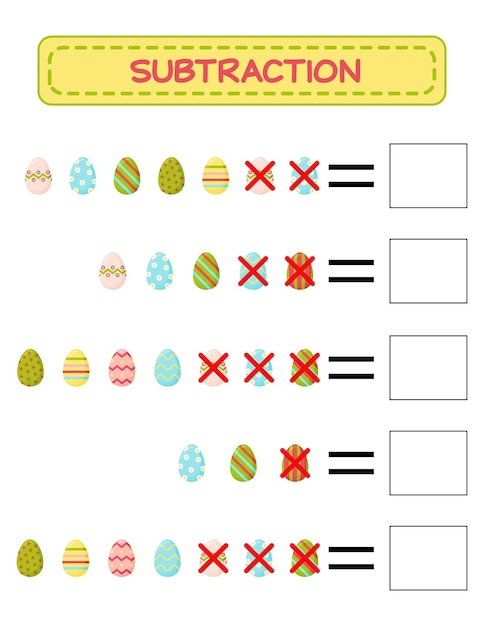
The journey into numerical competence often begins with the basics—counting, addition, subtraction, and the recognition of numerical patterns. For children with autism, mastering these foundational skills can feel daunting, particularly if they struggle with rote memorization or abstract reasoning. Math apps designed for this stage leverage gamification to make repetition engaging rather than tedious. Interactive number lines, animated counters, and touch-based manipulation of objects allow learners to visualize quantities in ways that static worksheets cannot.
One standout feature in these apps is the use of scaffolding, where tasks are broken into smaller, manageable steps. A child might start by dragging objects into groups to understand grouping before transitioning to written equations. The apps often incorporate errorless learning techniques, where incorrect answers trigger guided hints rather than penalties, reducing anxiety and reinforcing confidence. Visual timers and progress bars provide a sense of structure, which is particularly beneficial for learners who thrive on predictability.

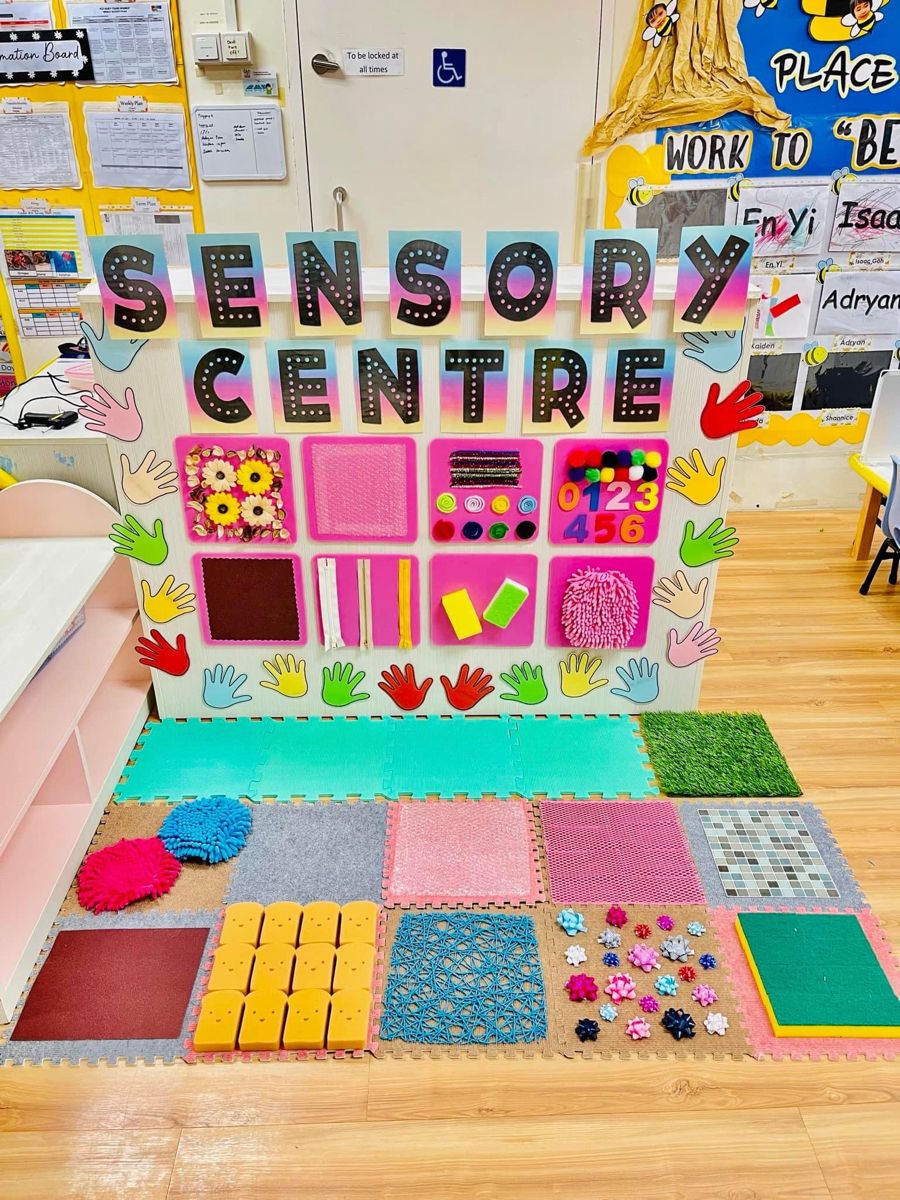
Another critical aspect is the integration of multisensory input. Apps that combine auditory cues (e.g., counting aloud), tactile feedback (e.g., vibrations on touch), and visual stimuli (e.g., color-coded numbers) cater to diverse sensory preferences. For instance, a child who struggles with auditory processing might benefit from an app that emphasizes visual and tactile engagement, while another might thrive with apps that incorporate rhythmic counting or musical elements to reinforce memory.
Visual and Spatial Math: Bridging Abstract and Concrete Thinking
For many children with autism, abstract mathematical concepts like fractions, geometry, or place value can feel like an insurmountable hurdle. Visual and spatial math apps address this by transforming abstract ideas into concrete, manipulable representations. These tools often employ dynamic geometry—where shapes can be rotated, scaled, or dissected in real time—to help learners internalize spatial relationships. For example, an app might allow a child to drag a slider to adjust the size of a fraction’s denominator, visually demonstrating how the value changes with each increment.
Spatial reasoning apps also excel in breaking down multi-step problems into digestible components. A geometry puzzle might start with identifying basic shapes before progressing to calculating area or perimeter. The use of color-coding and layering helps distinguish between different elements of a problem, reducing cognitive load. For learners who experience gestalt processing—where they perceive the whole rather than individual parts—these apps provide a way to isolate and focus on specific components without losing sight of the broader context.
Moreover, these apps often incorporate real-world applications to contextualize mathematical concepts. A child might use an app to design a virtual garden, calculating the perimeter of flower beds or the area of a patio. This not only reinforces numerical skills but also demonstrates the practical utility of math, fostering intrinsic motivation. The ability to see immediate, tangible results—such as a virtual plant growing taller as the child solves a problem correctly—can be a powerful motivator for sustained engagement.
Adaptive Learning Paths: Personalized Numeracy Journeys
The one-size-fits-all approach to education rarely serves children with autism effectively. Adaptive learning math apps, however, are designed to evolve alongside the learner, adjusting difficulty levels in real time based on performance. These apps use algorithmic intelligence to identify patterns in a child’s responses—whether they’re consistently struggling with multiplication tables or excelling in pattern recognition—and tailor subsequent challenges accordingly. This ensures that learners are neither overwhelmed nor under-stimulated, striking a balance between frustration and boredom.
One of the most compelling features of adaptive apps is their ability to track micro-progress. Instead of waiting for a formal assessment to gauge improvement, parents and educators can access detailed analytics that highlight specific areas of growth or stagnation. For instance, an app might reveal that a child consistently misinterprets word problems involving subtraction but excels in visual fraction tasks. This granular insight allows for targeted interventions, whether through supplementary practice or adjustments to teaching strategies.

Another advantage is the integration of gamified rewards that align with the child’s interests. Whether it’s unlocking a new character, earning points for a virtual aquarium, or progressing through a storyline, these incentives tap into intrinsic motivators. For children with autism who may have specific interests—such as dinosaurs, space, or trains—apps can customize themes to align with these passions, making math practice feel less like a chore and more like play. The key is ensuring that rewards are meaningful and not overly distracting, maintaining a focus on the learning objectives.
Social and Collaborative Math: Fostering Peer Interaction
Mathematics is often perceived as an solitary endeavor, but collaborative learning can be a game-changer for children with autism, particularly those who benefit from social interaction in structured settings. Social math apps create opportunities for peer collaboration, whether through multiplayer games, shared whiteboards, or guided problem-solving sessions. These tools encourage turn-taking, communication, and the exchange of strategies—all of which are critical for developing both mathematical and social competencies.
One innovative approach is the use of virtual math circles, where small groups of learners tackle challenges together under the guidance of a facilitator. These sessions might involve solving puzzles, debating solutions, or creating math-based stories. For children who struggle with social pragmatics, these structured interactions provide a safe space to practice skills like asking for help, explaining reasoning, or negotiating differences in approach. The digital medium can also reduce social pressure, as learners can communicate via text or pre-recorded messages if verbal interaction feels overwhelming.
Apps that incorporate peer modeling—where a virtual avatar demonstrates a problem-solving strategy—can also be highly effective. Seeing a peer (or a friendly AI character) work through a problem step by step provides a model for imitation, which is particularly beneficial for learners who benefit from visual or observational learning. Additionally, collaborative apps often include features like shared progress dashboards, where learners can see their peers’ achievements, fostering a sense of community and healthy competition.
Beyond the Screen: Integrating Math Apps into Holistic Learning
While math apps offer unparalleled convenience and interactivity, their true value lies in how they complement broader educational and therapeutic strategies. For children with autism, consistency across environments—home, school, and therapy—is crucial for skill generalization. This means that the strategies learned in an app should be reinforced through real-world applications, such as cooking (measuring ingredients), shopping (calculating change), or crafts (estimating material quantities).
Parents and educators can also use apps as a springboard for conversational math, where numerical concepts are discussed in everyday contexts. For example, after completing a subtraction exercise in an app, a child might be encouraged to calculate how many apples are left after sharing with a sibling. This bridges the gap between digital and analog learning, ensuring that skills are not confined to the screen. Additionally, apps that include parent or educator portals allow for seamless communication between home and school, ensuring that everyone is aligned in their approach.
It’s also important to consider the sensory and motor demands
of the apps themselves. Children with autism may have varying sensory preferences—some may prefer apps with minimal visual clutter, while others might thrive with highly interactive, multi-sensory experiences. Motor skills, too, play a role; touch-based apps should accommodate different levels of fine motor control, offering options for larger buttons or voice-activated commands. Testing apps in short, low-stakes sessions can help identify which tools align best with a child’s unique profile.
Empowering Independence: Math Apps for Teenagers and Adults
The benefits of math apps extend far beyond early childhood. For teenagers and adults with autism, these tools can support the development of advanced numerical skills, financial literacy, and problem-solving abilities that are essential for independent living. Apps designed for this age group often focus on real-world applications, such as budgeting, time management, or interpreting graphs and charts. For instance, a financial literacy app might simulate a paycheck-to-paycheck scenario, teaching users how to allocate funds for expenses, savings, and emergencies.
Advanced math apps also cater to learners who may have plateaued in traditional educational settings. For those interested in STEM fields, apps that introduce concepts like algebra, calculus, or data analysis can provide a gentle entry point. The use of interactive simulations—such as virtual laboratories or physics-based games—allows learners to experiment with abstract concepts in a hands-on way. For adults navigating the workforce, apps that focus on practical numeracy—such as interpreting schedules, calculating tips, or understanding statistics in news articles—can build confidence and autonomy.
Moreover, these apps often incorporate self-advocacy features, teaching users how to articulate their needs in academic or professional settings. For example, an app might include modules on requesting accommodations, breaking down complex instructions, or using visual aids to support communication. This dual focus on skill-building and empowerment ensures that learners are not only proficient in math but also equipped to navigate the challenges of daily life.
As we navigate the ever-evolving landscape of educational technology, the role of math apps in supporting individuals with autism cannot be overstated. These tools are more than just digital worksheets—they are gateways to confidence, independence, and a deeper understanding of the world. By leveraging the right apps, parents, educators, and learners can transform the often-daunting task of mastering mathematics into an engaging, rewarding journey. The key lies in selecting tools that align with individual needs, integrating them thoughtfully into broader learning strategies, and celebrating each milestone along the way. In doing so, we don’t just teach numbers—we open doors to possibilities.