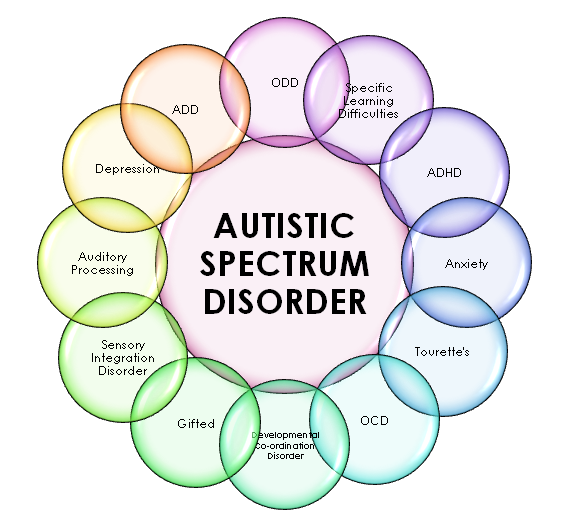
The journey of adoption is one paved with hope, anticipation, and an unwavering commitment to nurturing a child’s growth. Yet, when prospective parents consider welcoming a child with autism into their family, the path often becomes layered with unique questions, emotions, and considerations. Autism Spectrum Disorder (ASD) presents a spectrum of strengths and challenges that can shape a child’s development, family dynamics, and the very fabric of parenting itself. Understanding this intersection is not merely about awareness—it is about embracing a transformative opportunity to foster resilience, connection, and lifelong growth. For those standing at the threshold of adoption, knowledge becomes the compass that guides them through uncharted waters, ensuring that every decision is rooted in empathy, preparation, and informed compassion.
Autism is not a monolith; it is a constellation of traits, behaviors, and potentialities that defy simplistic categorization. Prospective parents must first acknowledge that autism is not a barrier to love or a limitation on a child’s capacity to thrive. Instead, it is a different way of experiencing the world—one that may require patience, creativity, and an openness to redefining what “normal” means in the context of family life. The fascination with autism in adoption often stems from a deeper curiosity: How does one cultivate a bond with a child whose communication style may not align with conventional expectations? How does a family adapt to routines that prioritize sensory regulation over rigid schedules? These questions, though daunting, are the very ones that invite prospective parents to dig deeper into their own capacity for adaptability and unconditional love.
The Spectrum Within the Spectrum: Recognizing Autism in Adopted Children
Autism manifests differently in every child, and this variability is magnified in adopted children who may have experienced early life disruptions, trauma, or inconsistent care. Some children may display overt signs of ASD, such as repetitive movements, delayed speech, or intense focus on specific interests. Others might exhibit subtler cues—difficulty with eye contact, challenges in social reciprocity, or meltdowns triggered by sensory overload. The key for prospective parents lies in recognizing that these behaviors are not willful defiance but rather expressions of an internal world that operates on its own terms.
Early intervention is paramount, yet it requires a nuanced approach. A child who has spent years in institutional care may initially present with behaviors that mimic autism, such as social withdrawal or emotional dysregulation, without actually having ASD. This phenomenon, known as institutional autism, underscores the importance of thorough assessments by professionals experienced in both adoption and neurodiversity. Prospective parents should seek evaluations that consider the child’s entire history, not just their current behaviors. Understanding the root causes of a child’s challenges—whether rooted in autism, trauma, or a combination of both—allows families to tailor their support strategies effectively.

Preparing the Home: Creating a Sanctuary for Sensory and Emotional Needs
The modern home is often a sensory minefield for a child with autism. Fluorescent lighting, the hum of appliances, the texture of certain fabrics—these seemingly mundane elements can overwhelm a child whose nervous system processes stimuli with heightened sensitivity. Prospective parents must approach home preparation with the mindset of a designer crafting a sanctuary. Soft lighting, noise-canceling headphones, and designated quiet spaces can transform a chaotic environment into a refuge. Yet, the goal is not to eliminate all stimulation but to create a balance where the child can retreat when needed without feeling isolated.
Routine is another cornerstone of stability. Children with autism often thrive in predictable environments, where transitions are gently signaled and expectations are clearly communicated. Visual schedules, social stories, and consistent rituals—such as a bedtime routine involving a specific sequence of activities—can provide the scaffolding a child needs to navigate daily life. However, flexibility must remain a guiding principle. Rigidity can breed frustration, while adaptability fosters resilience. Prospective parents should view routine not as a rigid structure but as a flexible framework that evolves with the child’s growing needs.
The Art of Communication: Beyond Words and Into Connection
For many children with autism, verbal communication is not the primary means of expression. Some may use sign language, augmentative and alternative communication (AAC) devices, or even nonverbal cues such as gestures, facial expressions, or body language. Prospective parents must cultivate a willingness to listen beyond words, to interpret the subtle signals that convey a child’s needs, emotions, and desires. This shift in communication style can feel daunting at first, but it often leads to a deeper, more intuitive understanding of the child.
It is also essential to recognize that communication is a two-way street. While a child with autism may struggle to express themselves, they are also highly attuned to the emotional states of those around them. A parent’s tone of voice, body language, and patience can speak volumes. In moments of frustration, when a child’s words fail them, a parent’s calm presence can be the bridge that reconnects them. Language development in autism is not linear; progress may come in bursts, plateaus, or unexpected leaps. Celebrating small victories—such as a child’s first attempt at verbalizing a need or using a new gesture—can reinforce their confidence and motivation to communicate further.
Navigating Social Challenges: Fostering Belonging in a Neurotypical World
Social interactions can be a source of profound anxiety for children with autism. The unspoken rules of conversation, the nuances of body language, and the pressure to conform to social expectations can feel like an insurmountable maze. Prospective parents may worry about how their child will navigate school, friendships, or community events. The answer lies not in forcing conformity but in equipping the child with the tools to navigate these spaces on their own terms.
Social skills training, often provided through occupational therapy or specialized programs, can help children learn to interpret social cues and respond appropriately. However, the ultimate goal is not to mold the child into a neurotypical mold but to help them develop authentic connections. This might mean finding communities where neurodiversity is celebrated, such as autism support groups, inclusive schools, or extracurricular activities tailored to their interests. When a child feels seen and accepted for who they are, their social confidence grows organically.
Parents, too, must navigate the social landscape with intention. They may encounter well-meaning but misguided advice from others who misunderstand autism. Educating extended family, friends, and educators about the child’s needs—without oversharing or sensationalizing—can foster a supportive network. The goal is to create an environment where the child feels safe to be themselves, whether that means stimming in joy, retreating to a quiet corner, or expressing emotions in unconventional ways.
Embracing the Journey: Parenting as a Continuous Discovery
Adopting a child with autism is not a destination but a journey of continuous discovery. It is a path marked by unexpected challenges, profound moments of connection, and the quiet triumphs of watching a child grow into their own unique identity. Prospective parents must prepare for the long haul, recognizing that their role is not to “fix” the child but to walk alongside them as they navigate the complexities of life.
One of the most rewarding aspects of parenting a child with autism is witnessing their strengths. Many children with ASD possess extraordinary abilities—whether it is an encyclopedic knowledge of a specific topic, an unparalleled attention to detail, or a unique perspective on the world. These strengths can become the foundation of a child’s self-esteem and a source of pride for the family. By focusing on what the child can do rather than what they cannot, parents can cultivate an environment where potential flourishes.
It is also important to acknowledge the emotional toll that parenting a child with autism can take. The demands are real—whether it is advocating for services, managing meltdowns, or grappling with societal misunderstandings. Self-care is not a luxury but a necessity. Prospective parents should seek out support networks, whether through local groups, online communities, or professional counseling. Connecting with other parents who share similar experiences can provide invaluable perspective and reassurance.

The decision to adopt a child with autism is not one to be taken lightly, but it is a decision that can lead to a life rich with meaning, love, and unexpected beauty. It is a journey that will test your patience, stretch your understanding, and ultimately, redefine your capacity for love. For those who embark on this path, the rewards are not found in the absence of challenges but in the moments of connection that transcend them. In the end, it is not about having all the answers but about being willing to ask the right questions, to listen with an open heart, and to embrace the journey with courage and compassion.