Nestled within the whispering pines and the rhythmic cadence of a crackling campfire lies an unparalleled sanctuary for the senses—one that speaks directly to the soul of a child navigating the intricate labyrinth of autism. Camping, often celebrated as a retreat from the cacophony of modern life, transforms into a profound sensory symphony when viewed through the lens of neurodiversity. For those whose worlds are painted with the vibrant hues of heightened sensitivity or the muted tones of understimulation, the great outdoors offers more than just fresh air; it provides a canvas where sensory needs are not merely accommodated but celebrated. This is the untold story of autism and camping—a narrative where nature becomes both therapist and muse, weaving its magic through the interplay of touch, sound, sight, and movement.
Imagine stepping into a realm where the air itself is a living entity, thick with the scent of damp earth and sun-warmed foliage. For a child with autism, whose sensory receptors may be finely tuned to the subtlest stimuli, this immersion in nature can be both exhilarating and grounding. The outdoors does not demand compliance with arbitrary social norms; it simply *is*—a vast, unfiltered experience that invites exploration without judgment. Here, the rustle of leaves is not background noise but a melody, the texture of bark beneath fingertips is not an obstacle but a tactile treasure, and the vast expanse of the sky is not a distraction but a portal to wonder. Camping, in this context, is not merely an activity; it is a sensory odyssey, a journey where every step is an opportunity to recalibrate, to find balance, and to rediscover the world on one’s own terms.
The Symphony of the Senses: How Nature Harmonizes with Autistic Perception
For many individuals on the autism spectrum, the sensory world can feel like a relentless storm—overwhelming, chaotic, and at times, unbearable. Yet, within the embrace of nature, this storm finds its rhythm. The outdoors is a masterful conductor, orchestrating a symphony where each element plays a role in restoring equilibrium. Consider the vestibular system, the body’s internal gyroscope, which governs balance and spatial orientation. The undulating terrain of a forest trail, the gentle rocking of a hammock strung between two ancient oaks, or the exhilarating descent down a sandy dune—these are not mere diversions but vital nourishment for a system that craves movement and challenge.
Similarly, the proprioceptive system, which provides a sense of body awareness and muscle control, thrives in the natural world. Carrying a backpack laden with camping gear, digging a hole to plant a sapling, or hauling water from a nearby stream—each of these activities engages the muscles and joints in ways that ground the individual in their physicality. It is as though nature itself whispers, “You belong here. Your body is capable. Your presence matters.” This affirmation is particularly potent for those who may feel disconnected from their physical selves in more structured environments.
The auditory landscape of camping is equally transformative. The absence of the relentless hum of technology, the muffled roar of traffic, and the jarring interruptions of urban life creates a rare stillness—a silence that is not empty but pregnant with possibility. For those sensitive to sound, the outdoors offers a respite from the sensory overload of fluorescent lights, echoing hallways, and the unpredictable cacophony of crowded spaces. Instead, the symphony of nature unfolds: the trill of a distant bird, the rhythmic patter of raindrops on a tent, the soft susurration of wind through the trees. These sounds are not mere noise; they are a lullaby, a reminder that the world can be gentle, predictable, and soothing.

The Unscripted Adventure: Freedom Without the Weight of Expectations
One of the most liberating aspects of camping for autistic individuals is the absence of rigid social scripts. In the wild, there are no unspoken rules about eye contact, personal space, or conversational turn-taking. Instead, the environment itself becomes the guide, offering cues that are immediate, tangible, and devoid of ambiguity. A child who struggles with the unpredictability of social interactions may find solace in the straightforward language of nature: “This path leads to the lake,” “The fire needs more wood,” “The sky is turning purple—it’s almost sunset.” These statements are not laden with the complexities of human emotion or the nuances of social expectation; they are clear, direct, and empowering.
Moreover, camping encourages a form of play that is organic and self-directed. There are no prescribed activities, no timers, no evaluations—only the invitation to explore. A stick becomes a wand, a rock a treasure, a puddle a miniature ocean. This kind of open-ended play is a balm for the autistic mind, which often thrives on routine and predictability but also craves novelty and discovery. The natural world provides both in abundance, allowing the individual to set their own pace, follow their curiosity, and revel in the joy of unstructured time.
For parents and caregivers, this freedom is equally transformative. The pressure to conform to societal expectations of “proper” behavior or “appropriate” play dissolves in the face of nature’s vast, unyielding embrace. Here, a child who flaps their hands in excitement is not “stimming” in a way that needs correction; they are expressing joy in a language that is as valid as any other. A teenager who prefers to sit quietly by the water’s edge, lost in thought, is not “withdrawn”; they are communing with the world in a way that speaks to their soul. Camping does not demand assimilation; it invites integration—where the individual and the environment exist in harmonious coexistence.
Practical Wisdom: Crafting a Camping Experience Tailored to Sensory Needs
While the benefits of camping for autistic individuals are profound, the key to unlocking them lies in thoughtful preparation. The great outdoors, for all its wonders, can also be a source of unpredictability, and for those who thrive on structure, this can be daunting. The solution is not to avoid camping but to approach it with intention, tailoring the experience to meet sensory needs and personal comfort levels.
Start with the choice of location. Opt for a campsite that offers a balance of seclusion and accessibility. A spot near a body of water—whether a lake, river, or ocean—can provide a soothing auditory backdrop, while a forested area offers shade, cooler temperatures, and a sense of enclosure. Avoid sites that are overly crowded or situated near high-traffic areas, as these can introduce unnecessary sensory triggers. If possible, visit the site beforehand to scout for potential stressors, such as noisy neighbors or uneven terrain, and plan accordingly.
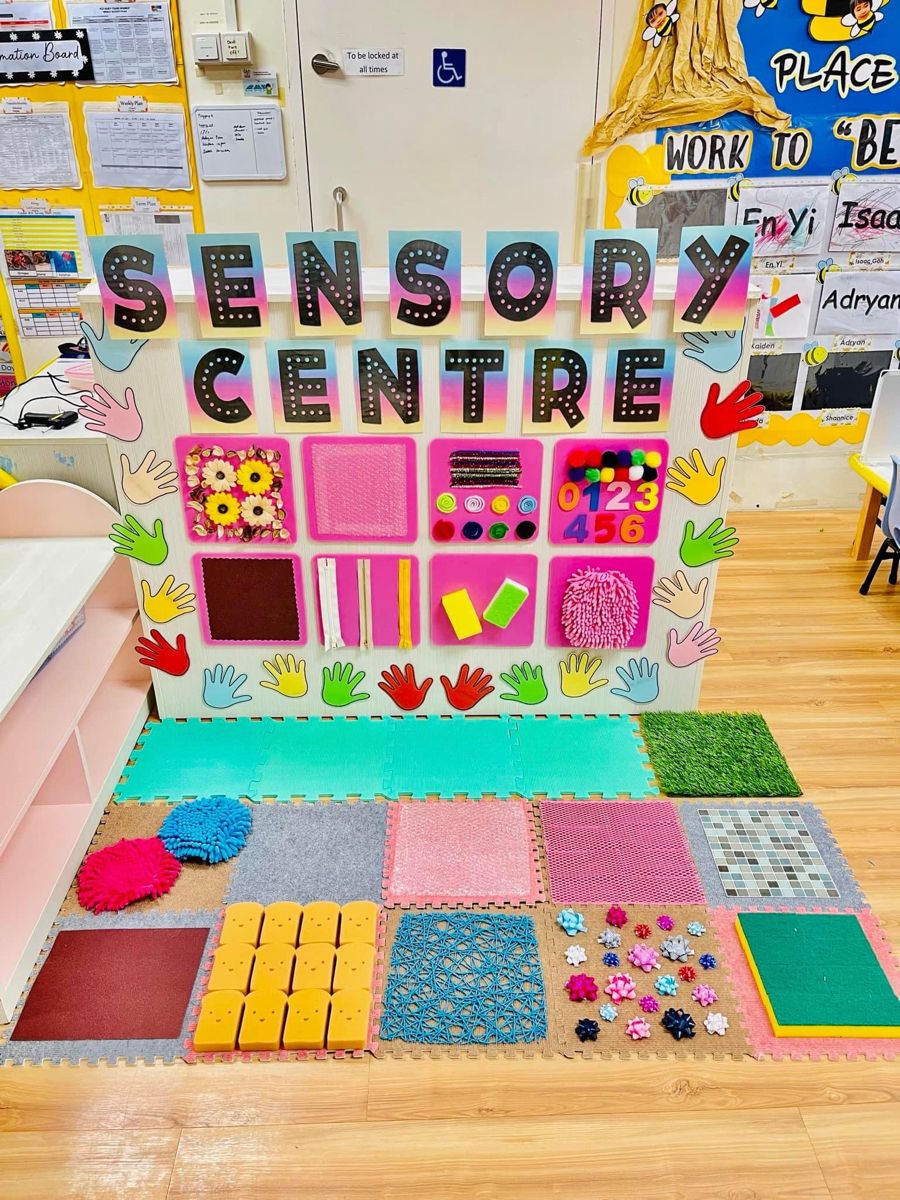
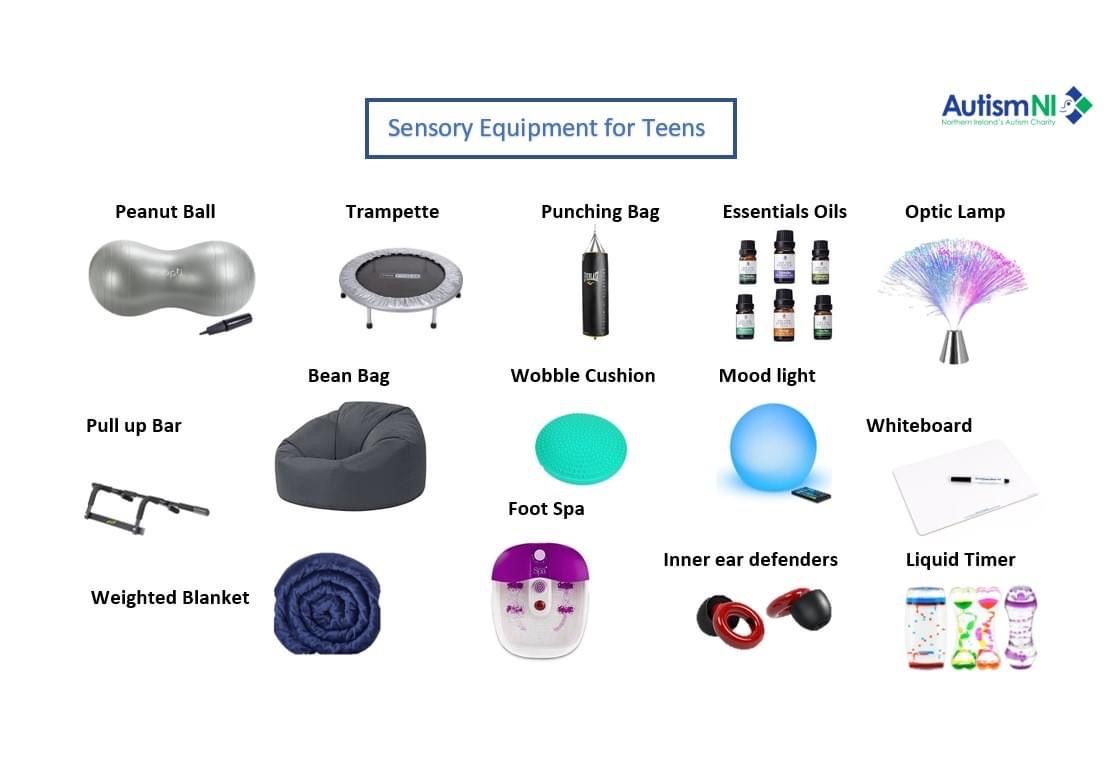
Packing for a sensory-sensitive camper requires a blend of practicality and creativity. Familiar comfort items—such as a favorite blanket, a weighted vest, or noise-canceling headphones—can serve as anchors in an otherwise unfamiliar environment. Consider bringing along sensory tools that can enhance the experience, such as textured fabrics to touch, a portable swing for vestibular input, or a journal for recording observations and reflections. Food choices are also critical; pack familiar, preferred snacks and meals to avoid the stress of unexpected tastes or textures. A well-stocked cooler with favorite treats can be a lifeline in moments of sensory overwhelm.

The rhythm of the trip is another crucial consideration. For those who thrive on routine, establish a loose schedule that balances structured activities with unstructured time. Morning hikes, afternoon crafting sessions, and evening storytelling around the campfire can provide a sense of predictability, while the freedom to wander, explore, or simply sit and observe allows for organic discovery. Be mindful of the pace—allow for plenty of breaks, and don’t hesitate to adjust plans if sensory fatigue sets in. The goal is not to “power through” discomfort but to create an experience that feels safe, enjoyable, and enriching.
The Alchemy of Connection: Strengthening Bonds Through Shared Sensory Experiences
Camping has a unique way of forging connections—not through forced interaction but through shared sensory experiences. When a family or group embarks on a camping trip together, they are not merely coexisting in the same space; they are engaging with the world in parallel, each member finding their own rhythm within the collective experience. A parent and child might sit side by side, each absorbed in their own quiet activity—one sketching the landscape, the other collecting smooth stones—yet sharing the same sense of peace and presence. A sibling might teach their brother or sister how to skip stones across a pond, their laughter echoing in the crisp air, a testament to the joy of simple, unmediated connection.
For autistic individuals who may struggle with social communication, these shared experiences can be a bridge to deeper understanding. The outdoors does not demand verbal exchange to foster connection; it invites participation in the world through action and observation. A child who is nonverbal may communicate their excitement through gestures, sounds, or even silence, and those around them learn to listen in new ways. A teenager who finds comfort in routine may discover that the rhythm of setting up camp, cooking a meal, or stargazing becomes a form of shared language with their family. In this way, camping becomes more than a sensory retreat; it is a catalyst for connection, a reminder that relationships are built not just through words but through shared presence and mutual exploration.
The Return: Carrying the Lessons of Nature Back into Daily Life
As the embers of the campfire fade and the final backpack is packed, the true magic of the camping experience begins to unfold—not in the memories of the trip itself, but in the way those memories linger in the days and weeks that follow. The outdoors has a way of leaving an indelible mark on the soul, a quiet insistence that the world is vast, generous, and full of wonder. For autistic individuals, this realization can be transformative. The confidence gained from navigating a new environment, the joy discovered in sensory exploration, and the sense of belonging found in nature’s embrace do not vanish with the return to urban life; they become tools for resilience.
In the classroom, the workplace, or the quiet corners of home, the lessons of camping endure. The child who once flinched at the touch of certain fabrics may now approach new textures with curiosity. The teenager who found solace in the rhythmic sway of a hammock may carry that sense of calm into moments of stress. The adult who rediscovered the joy of movement through hiking may find new ways to integrate physical activity into their daily routine. Nature, in its infinite wisdom, does not just heal; it teaches. It reminds us that the world is not a place to be endured but a place to be explored, that sensory differences are not deficits but variations of human experience, and that every individual, regardless of neurology, deserves a life rich with beauty, challenge, and connection.
The great outdoors is not a cure-all, nor is it a panacea for the complexities of autism. But it is a sanctuary—a place where the rules of engagement are rewritten, where sensory needs are not just met but celebrated, and where the individual is free to be exactly who they are. Camping, in its purest form, is an act of reclaiming agency, of stepping into a world that does not demand conformity but offers belonging. It is an invitation to listen to the earth’s heartbeat, to feel the wind on your skin, and to remember that you, too, are a part of this vast, breathing, beautiful world.