The human nervous system is a vast, intricate network—a living symphony where every neuron hums in delicate harmony. For children with autism, this symphony can sometimes play off-key, their unique rhythms disrupted by sensory overload, motor challenges, or emotional turbulence. Yet, within this complexity lies a quiet revolution: chiropractic care, a gentle yet profound approach that seeks not to silence the music, but to help the conductor find balance. For parents navigating the labyrinth of autism, understanding this connection can feel like discovering a hidden key—one that unlocks doors to calmer days, steadier steps, and a brighter tomorrow.

The Nervous System: The Invisible Conductor of Autism
Imagine the brain as a maestro, its baton sweeping across the orchestra of the body. For children with autism, this conductor may struggle to maintain tempo, leaving some sections—sensory pathways, motor control, or emotional regulation—out of sync. Chiropractic care enters this scene not as a replacement for the maestro, but as a skilled technician, fine-tuning the stage itself. The spine, a bony column housing the spinal cord, acts as the scaffolding for this performance. Misalignments, known as subluxations, can subtly distort the signals traveling between brain and body, like a frayed wire in an otherwise flawless circuit.
Research suggests that chiropractic adjustments may help recalibrate this communication. A 2018 study published in the *Journal of Pediatric, Maternal & Family Health* found that children with autism who received spinal adjustments experienced improvements in sleep, digestion, and social engagement. While not a cure, chiropractic care offers a complementary pathway—one that works alongside traditional therapies to harmonize the body’s innate intelligence.
Beyond the Adjustment: A Holistic Approach to Well-Being
Chiropractic care for autism is not merely about cracking spines; it’s about nurturing the entire ecosystem of a child’s health. Parents often report that their children exhibit fewer meltdowns, improved focus, and even enhanced speech after consistent chiropractic visits. This isn’t magic—it’s the body’s remarkable capacity for self-regulation, awakened by the removal of physical barriers. Think of it as pruning a garden: by trimming away the deadweight of tension and misalignment, the roots of health can flourish.
Yet, skepticism lingers. Some wonder: How can spinal adjustments impact behavior or cognition? The answer lies in the vagus nerve, a wandering giant that connects the brain to nearly every organ. When the spine is aligned, this nerve can function optimally, influencing digestion, heart rate, and even emotional resilience. For children with autism, whose nervous systems often operate in overdrive, this subtle shift can be transformative.
The Science Behind the Serenity
While chiropractic care for autism remains an emerging field, the evidence is compelling. A 2020 case series in the *Journal of Alternative and Complementary Medicine* documented significant improvements in autistic children after chiropractic interventions, including better sleep patterns and reduced repetitive behaviors. These findings echo the experiences of parents who describe their children as “lighter,” “more present,” or “less reactive” after treatment.
Critics argue that more rigorous studies are needed, and they’re right. Yet, in a world where pharmaceutical interventions often come with side effects, chiropractic care offers a drug-free alternative. It’s a reminder that healing isn’t one-size-fits-all. For some families, it’s the missing piece in a puzzle that includes speech therapy, occupational therapy, and behavioral interventions.

Finding the Right Chiropractor: A Compass for the Journey
Not all chiropractors are created equal, especially when it comes to working with autistic children. The ideal practitioner is one who blends technical precision with compassionate understanding. Look for a chiropractor experienced in pediatric care, preferably one who employs gentle techniques like the Webster Technique or Sacro Occipital Technique (SOT). These methods prioritize comfort, using minimal force to achieve alignment.
Parents should also seek a practitioner who views chiropractic care as part of a larger wellness strategy. The best chiropractors collaborate with other healthcare providers, ensuring that adjustments complement—rather than compete with—existing therapies. Ask about their approach to sensory sensitivities, as some children may need extra time to acclimate to the adjustments.
The Ripple Effect: How Small Changes Create Big Shifts
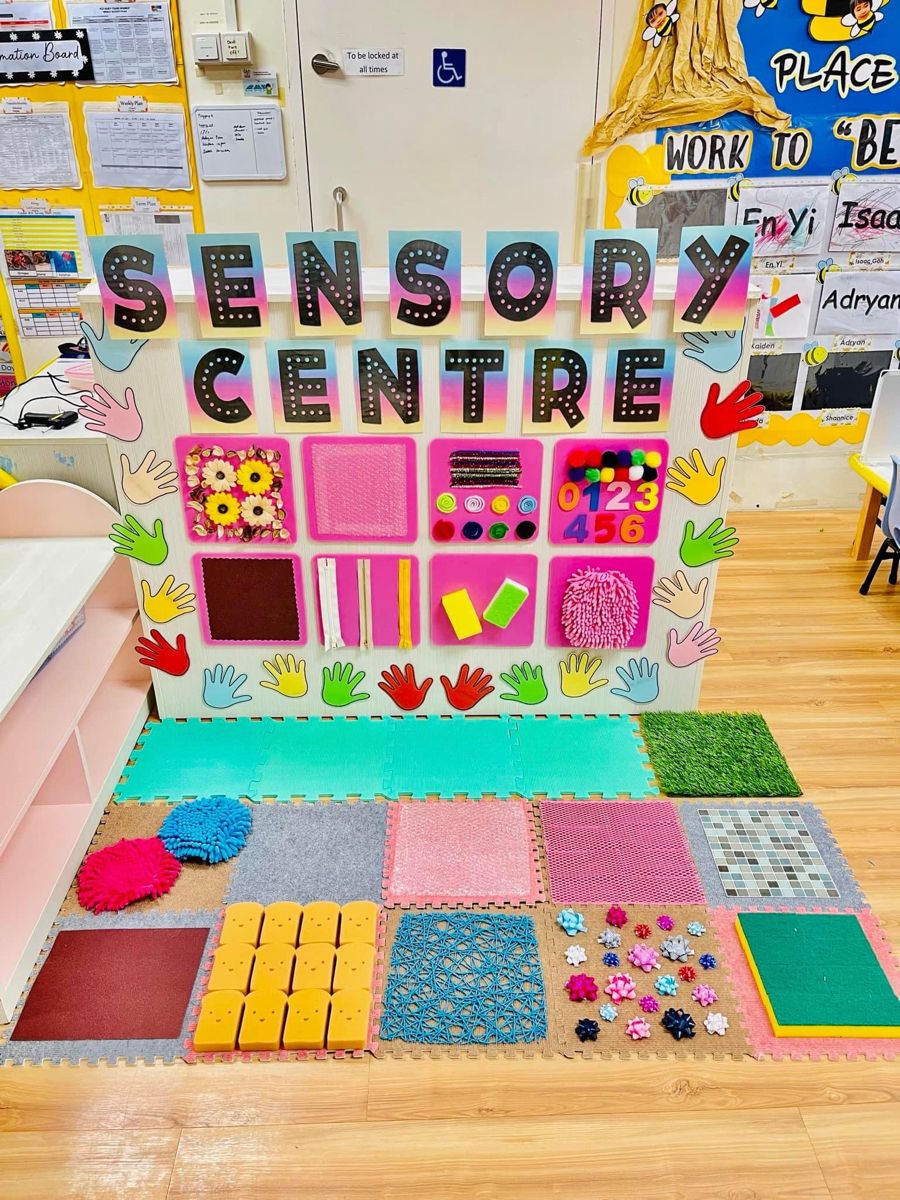
The impact of chiropractic care often extends beyond the adjustment table. Parents frequently notice improvements in their child’s ability to tolerate sensory input—whether it’s the texture of clothing, the hum of a vacuum, or the bustle of a crowded room. This newfound resilience can translate into greater participation in school, social activities, and family outings. It’s as if the child has been given a pair of noise-canceling headphones for their nervous system, allowing them to engage with the world on their own terms.
Yet, patience is key. Chiropractic care is not a quick fix; it’s a gradual unfolding. Some children respond within weeks, while others may take months to show noticeable changes. Consistency matters. Regular adjustments can help maintain the benefits, much like how a musician practices daily to perfect their craft.
Debunking Myths: Separating Fact from Fiction
One of the most persistent myths about chiropractic care is that it’s dangerous for children. In reality, when performed by a trained professional, spinal adjustments are remarkably safe. The adjustments used for autistic children are far gentler than those for adults, often requiring no more pressure than a firm handshake. Another misconception is that chiropractic care is a standalone solution. It’s not. It’s a tool—a powerful one, but one that works best when integrated into a broader support system.
Some parents worry that chiropractic care might interfere with other treatments, such as ABA therapy or medication. The truth is, chiropractic care is non-invasive and doesn’t conflict with most interventions. In fact, it may enhance their effectiveness by improving the body’s overall function.
The Future of Autism Care: A Tapestry of Possibilities
As research into chiropractic care and autism grows, so too does the potential for new insights. Imagine a future where chiropractic adjustments are as routine as speech therapy for autistic children—a standard thread in the tapestry of their care. This isn’t fantasy; it’s a horizon within reach. For now, parents can take solace in knowing that they have options, that healing isn’t confined to a single path.
Chiropractic care offers a promise—not of perfection, but of progress. It’s a reminder that sometimes, the smallest adjustments can lead to the most profound transformations. For families walking the path of autism, it’s a beacon of hope, a gentle nudge toward a life lived with greater ease, connection, and joy.
In the end, the goal isn’t to change the child, but to help them find their rhythm in a world that often feels out of tune. And sometimes, all it takes is a steady hand and a little patience to bring the music back into harmony.