In the vast, uncharted territories of a child’s mind, where thoughts swirl like constellations in a digital cosmos, lies a hidden landscape of untapped potential. For neurodivergent children—those whose cognitive wiring dances to a different rhythm—programming can be more than a skill; it can be a sanctuary, a bridge, and a canvas. Coding, with its structured yet infinitely creative syntax, offers a unique refuge where logic and imagination intertwine like vines in an enchanted forest. For kids on the autism spectrum, this digital realm is not just a playground but a lifeline, a way to articulate the inarticulate and harness the symphony of their minds. This article explores how introducing programming basics to autistic children can unlock doors to confidence, communication, and a sense of mastery in a world that often feels overwhelming.
The Digital Playground: Why Coding Resonates with Autistic Minds
Imagine a world where rules are not constraints but guiding stars, where every action yields a predictable outcome, and where repetition is not a burden but a comfort. This is the essence of coding—a universe governed by precise, immutable laws that reward clarity and punish ambiguity. For autistic children, who often thrive in structured environments, programming offers a rare sanctuary where their natural tendencies toward pattern recognition and systematic thinking become superpowers.
Consider the humble if-then statement, a cornerstone of programming. To an autistic child, this isn’t just a line of code; it’s a mirror reflecting their own thought processes. “If I press this button, then the character moves forward.” The cause-and-effect relationship is immediate, tangible, and devoid of the unpredictable social cues that often cloud real-world interactions. In this digital arena, every keystroke is a step toward mastery, every error a lesson, and every success a validation of their abilities.
Moreover, coding is a language without sarcasm, without hidden meanings, without the exhausting dance of reading between the lines. For children who struggle with nonverbal communication or social nuances, programming provides a medium where their ideas are not just heard but executed. A loop that repeats ten times doesn’t question the child’s intent; it simply obeys. This unconditional acceptance is a balm for the often-frustrating world of human interaction.
Building Bridges: How Coding Enhances Cognitive Skills
The cognitive benefits of introducing coding to autistic children extend far beyond the screen. Programming is, at its core, a exercise in breaking down complex problems into digestible, sequential steps—a skill known as computational thinking. This process mirrors the way many autistic individuals naturally approach tasks: by dissecting them into smaller, manageable components. What might seem like an insurmountable challenge to a neurotypical child—a maze, a story, a math problem—becomes a series of achievable milestones for a neurodivergent learner.
Take, for example, the act of creating a simple game. The child must first define the objective (e.g., “the character must collect all the stars”), then design the environment (a grid, a backdrop), and finally, write the instructions that govern the character’s movements. Each step is a puzzle piece, and the act of assembling them fosters executive function—planning, organization, and self-regulation. These are skills that, when practiced in a low-stakes, engaging environment, can translate to real-world scenarios, from tidying a bedroom to managing daily routines.
Additionally, coding nurtures working memory, the mental workspace where information is temporarily stored and manipulated. When a child writes a program, they must hold multiple variables in mind simultaneously—coordinates, conditions, loops—while anticipating how changes in one area might ripple through the entire system. This mental juggling act strengthens cognitive flexibility, a skill that can be particularly beneficial for autistic children who may struggle with shifting attention or adapting to new routines.
The Language of Logic: Coding as a Form of Self-Expression
For many autistic children, verbal communication can feel like shouting into a void, their words met with confusion or indifference. Coding, however, is a language where their voice is not just heard but amplified. A child who struggles to articulate their thoughts in conversation might find it effortless to describe their ideas through code. “I want the robot to dance when it hears music,” they might type, and suddenly, their imagination is no longer a fleeting thought but a tangible creation.
This form of expression is not just about output; it’s about agency. In a world where autistic children are often told what to do, how to behave, or what they’re “supposed” to like, coding offers a rare opportunity to be the architect of their own experiences. They can design a game where the rules are fair, where the challenges are surmountable, and where the outcomes are within their control. This sense of autonomy is empowering, fostering a sense of self-efficacy that can spill over into other areas of their lives.
Consider the story of a nonverbal autistic child who, after learning to code, created a simple animation where a character moved across the screen in response to touch. For the first time, their family saw glimpses of their inner world—a world of movement, rhythm, and intention. Coding had given them a voice, not through words, but through the universal language of logic and creativity.
Tools and Techniques: Crafting a Coding Journey for Autistic Learners
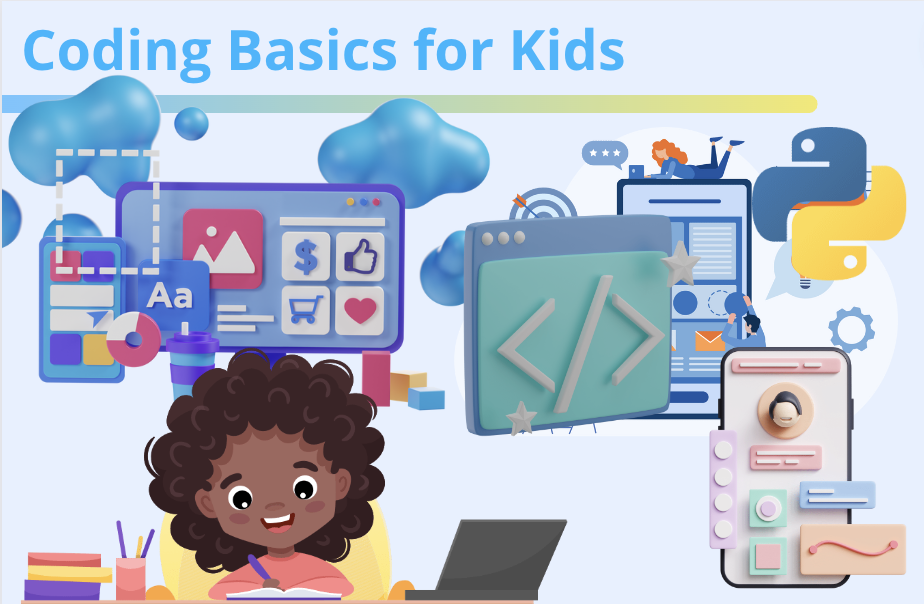
Not all coding tools are created equal, and for autistic children, the right platform can make the difference between frustration and fascination. Visual programming languages like Scratch or Blockly are often ideal starting points. These drag-and-drop environments eliminate the need to memorize syntax, allowing children to focus on the logic of their programs. The colorful blocks act as a bridge between abstract concepts and tangible outcomes, making the learning process feel like assembling a digital Lego set.
For children who are ready to transition to text-based coding, languages like Python offer a gentle introduction. Python’s readability and forgiving syntax make it less intimidating than languages like C++ or Java. Moreover, its versatility—from simple scripts to complex games—ensures that the child’s interest can grow alongside their skills. Pairing coding with a child’s existing passions—whether it’s dinosaurs, space, or music—can further enhance engagement. A dinosaur-themed game, for instance, might involve coding a T-Rex to stomp across the screen, combining their love of paleontology with their newfound programming prowess.
It’s also crucial to tailor the learning environment to the child’s sensory preferences. Some autistic children may thrive in a quiet, distraction-free space, while others might benefit from background music or fidget tools to help them focus. The key is flexibility—experimenting with different settings, tools, and pacing to find what resonates. Patience is paramount; mastery is not a race but a journey, and each small victory should be celebrated.
Overcoming Challenges: Patience, Adaptation, and Celebrating Progress
Of course, the path to coding proficiency is not without its obstacles. Autistic children may struggle with fine motor skills, making typing or mouse control challenging. Others might find the abstract nature of variables or loops perplexing at first. Frustration can set in when a program doesn’t work as intended, or when a concept refuses to click. In these moments, the role of the mentor—whether a parent, teacher, or therapist—is to reframe failure as a detective story rather than a dead end. “Why didn’t the character move? Let’s check the code together.” This collaborative approach turns setbacks into opportunities for problem-solving and growth.
It’s also important to recognize that progress may not follow a linear path. A child might master loops one day and struggle with conditionals the next. This ebb and flow is normal, and it’s essential to meet the child where they are. Celebrating small milestones—a successfully debugged program, a new block of code added—reinforces their confidence and motivates them to keep exploring. Over time, these incremental successes build a reservoir of resilience, teaching the child that persistence is a virtue, even when the path is winding.
Parents and educators should also be mindful of burnout. Coding should be a joy, not a chore. If a child’s interest wanes, it’s okay to take a break or switch to a different project. The goal is not to create a prodigy but to nurture a lifelong love of learning and creativity. Sometimes, the most valuable lesson isn’t about syntax or algorithms but about the joy of creation itself.
The Ripple Effect: Coding Beyond the Screen
The benefits of coding extend far beyond the digital realm. As autistic children gain confidence in their programming abilities, this newfound skill can spill over into other areas of their lives. The structured thinking required for coding can improve their ability to plan and organize daily tasks. The problem-solving skills they develop can help them navigate social situations or advocate for their needs. Even their self-esteem can receive a boost, as they realize that their unique way of thinking is not a limitation but a strength.
Moreover, coding can serve as a bridge to social connection. Online communities like Scratch’s studios or coding clubs provide a space for children to share their creations, receive feedback, and collaborate with peers. For autistic children who may struggle with in-person social interactions, these digital spaces offer a low-pressure environment to connect with others who share their interests. The act of showcasing their work and receiving praise can be a powerful antidote to feelings of isolation.
In the grand tapestry of a child’s development, coding is more than a tool—it’s a transformative experience. It’s a way to harness the unique wiring of an autistic mind, turning what might be perceived as challenges into superpowers. It’s a language of logic that speaks directly to the heart of how these children perceive the world. And perhaps most importantly, it’s a gateway to a future where they are not just passive recipients of knowledge but active creators, shaping their own narratives in a world that often struggles to understand them.
The journey of introducing coding to autistic children is not about turning them into programmers; it’s about giving them a voice, a purpose, and a sense of mastery in a world that can feel overwhelming. It’s about showing them that their minds, with all their quirks and brilliance, are not just capable of great things—they are the architects of those great things. In the end, coding is more than a skill; it’s a revolution of the mind, one keystroke at a time.