
In an era where technology permeates every facet of life, finding a hobby that resonates with a child’s passions while nurturing their cognitive and emotional growth is invaluable. For tech-loving kids, particularly those on the autism spectrum, drones emerge as more than just a recreational tool—they become a gateway to creativity, focus, and self-expression. The hum of propellers, the precision of flight, and the immersive control of a drone can captivate even the most discerning young minds, offering a unique blend of stimulation and structure. This article explores how drones can serve as a transformative hobby for autistic children, delving into the types of content that can enrich their experience, from educational applications to hands-on flying adventures.
The Cognitive Benefits of Drone Flying for Autistic Children
Drones are not merely toys; they are sophisticated tools that engage multiple cognitive domains. For autistic children, whose sensory and processing experiences often differ from neurotypical peers, the structured yet dynamic nature of drone piloting can be profoundly beneficial. The act of maneuvering a drone requires sustained attention, spatial reasoning, and problem-solving—skills that are honed through practice and repetition. These activities stimulate the brain’s executive functions, fostering improved impulse control and adaptability in real-world scenarios.
Moreover, the visual and auditory feedback from a drone’s flight path provides immediate reinforcement, which can be particularly motivating for children who thrive on predictability and clear outcomes. The tactile feedback from remote controls, combined with the visual spectacle of a drone soaring, creates a multisensory experience that can enhance focus and reduce anxiety. For some autistic children, the rhythmic motion of a drone’s propellers can even serve as a calming sensory input, akin to the steady hum of a white noise machine.
Educational Applications: Drones as Learning Catalysts
The integration of drones into educational settings has opened new avenues for STEM (Science, Technology, Engineering, and Mathematics) learning, particularly for children with autism who may excel in structured, visual, and hands-on environments. Drones can be used to teach fundamental concepts in physics, such as aerodynamics and gravity, through interactive experiments. For instance, adjusting a drone’s weight distribution or testing different propeller sizes can illustrate principles of lift and thrust in a tangible way.
Beyond physics, drones can also facilitate coding education. Many drones are programmable, allowing children to write simple scripts to control flight patterns or automate tasks. This introduces them to the basics of computer science, including loops, conditionals, and algorithms, in a way that feels like play rather than instruction. For autistic children who enjoy repetitive tasks or have a strong affinity for patterns, coding a drone can be a deeply satisfying and intellectually rewarding endeavor.
Additionally, drones can be used in geography and environmental studies. Children can use drones to capture aerial footage of local landscapes, fostering an understanding of topography, ecosystems, and human impact on the environment. This type of project-based learning encourages curiosity and observation skills, which are essential for both academic growth and personal development.
Therapeutic Uses: Drones as Tools for Emotional Regulation
The therapeutic potential of drones extends beyond cognitive and educational benefits. For autistic children who experience emotional dysregulation or sensory overload, drone flying can serve as a grounding technique. The act of focusing on a drone’s flight path requires a shift in attention away from overwhelming stimuli, effectively acting as a form of mindfulness practice. The controlled environment of indoor drone flying, in particular, can provide a safe space for children to practice emotional regulation without external pressures.
Some therapists and educators have also incorporated drones into social skills training. Group drone-flying activities can encourage collaboration, turn-taking, and communication, as children work together to achieve common goals, such as navigating an obstacle course or capturing specific footage. These interactions can be scaffolded to match each child’s comfort level, allowing for gradual exposure to social dynamics in a low-stakes setting.
Furthermore, the sense of accomplishment that comes from successfully piloting a drone can boost self-esteem and confidence. For children who may struggle with traditional social or academic pursuits, mastering a drone can provide a tangible sense of achievement, reinforcing their belief in their abilities.
Types of Drones for Different Needs and Skill Levels
Not all drones are created equal, and selecting the right one depends on a child’s age, skill level, and specific interests. For younger children or beginners, toy drones with simplified controls and durable construction are ideal. These drones often come with features like altitude hold and one-key takeoff, which reduce the learning curve and minimize frustration. They are also typically more affordable, making them a practical choice for families exploring the hobby.
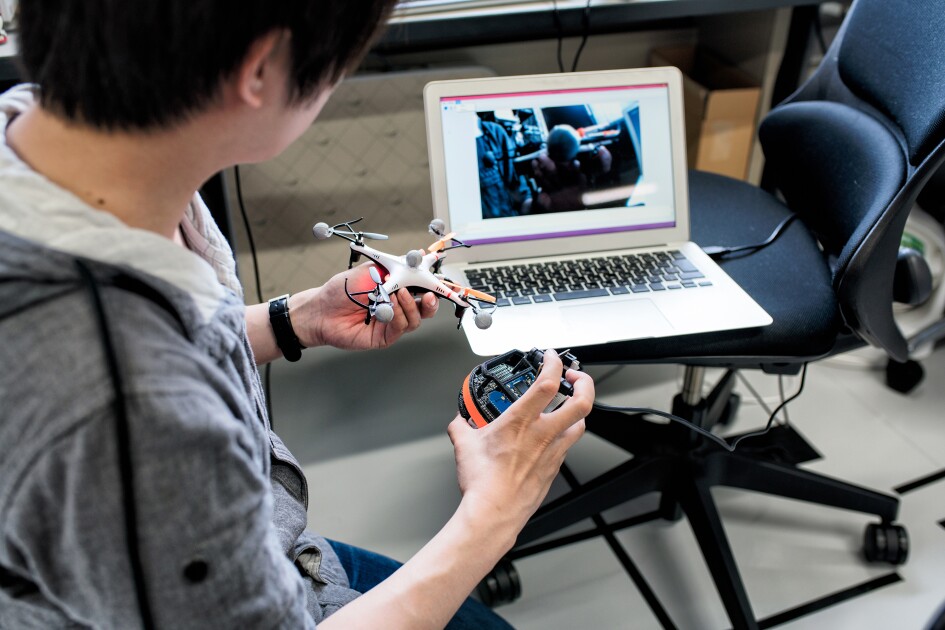
For older children or those with more advanced skills, FPV (First-Person View) drones offer a more immersive experience. These drones are equipped with cameras that transmit live video feed to goggles or a screen, allowing the pilot to see the world from the drone’s perspective. FPV flying requires greater hand-eye coordination and spatial awareness, making it a challenging yet rewarding pursuit for tech-savvy kids. However, it’s important to note that FPV drones can be more complex to operate and may require additional safety precautions.
For children interested in photography or videography, camera drones provide an opportunity to explore creative expression. These drones often come with high-resolution cameras and stabilization features, enabling users to capture stunning aerial footage. For autistic children who have a keen eye for detail or a passion for visual arts, this type of drone can be a powerful outlet for creativity. Parents and educators can guide them in learning composition, lighting, and editing techniques to further enhance their skills.
Safety and Accessibility: Ensuring a Positive Experience
While drones offer numerous benefits, safety and accessibility are paramount considerations. For children with autism, who may have sensory sensitivities or motor coordination challenges, it’s essential to choose drones with user-friendly features. Look for models with adjustable sensitivity settings, which allow parents to tailor the controls to the child’s comfort level. Additionally, drones with propeller guards can prevent injuries and reduce the risk of damage to the drone itself.
Indoor flying environments, such as gymnasiums or large rooms, are ideal for beginners, as they minimize the risks associated with outdoor flying, such as wind or collisions with obstacles. For outdoor flying, parents should ensure that the drone is flown in designated areas away from people, animals, and restricted airspace. It’s also crucial to familiarize oneself with local drone regulations to avoid legal complications.
Accessibility extends beyond physical safety. For children with communication challenges, drones can be integrated into augmentative and alternative communication (AAC) systems. For example, a child who uses a speech-generating device might program their drone to perform specific flight patterns as a way to express themselves or interact with peers. This type of integration highlights the versatility of drones as tools for both recreation and communication.
Community and Social Engagement Through Drone Clubs
Joining a drone club or community can provide autistic children with opportunities for social interaction in a structured and supportive environment. Many organizations, such as schools, libraries, and community centers, host drone-flying workshops or clubs tailored to children of all abilities. These settings allow kids to share their passion with peers, collaborate on projects, and learn from one another in a collaborative atmosphere.
Participating in drone competitions, such as races or obstacle courses, can also foster a sense of camaraderie and healthy competition. For autistic children who may struggle with traditional team sports, drone competitions offer a unique alternative that emphasizes individual skill while still encouraging social engagement. The clear rules and objectives of these events can reduce anxiety and provide a predictable framework for interaction.
Online communities, such as forums and social media groups, also offer a space for drone enthusiasts to connect, share tips, and showcase their work. For children who prefer digital interaction, these platforms can serve as a low-pressure way to engage with others who share their interests. Parents can monitor these interactions to ensure a safe and positive experience.
Long-Term Benefits: Building Skills for the Future
The skills acquired through drone flying extend far beyond the immediate joy of piloting. For autistic children, the discipline and perseverance required to master a drone can translate into other areas of life, such as academic pursuits or vocational training. The problem-solving skills developed through troubleshooting flight issues or optimizing drone performance are transferable to real-world challenges, preparing children for future careers in technology, engineering, or aviation.
Moreover, the confidence gained from drone flying can empower children to explore other STEM-related hobbies or educational opportunities. Whether it’s coding, robotics, or 3D printing, the foundational skills learned through drone piloting can serve as a springboard for lifelong learning. For parents and educators, this makes drones an investment in a child’s holistic development, one that nurtures both their passions and their potential.
As the sun sets on another day of exploration, the quiet whir of a drone’s propellers fades into the background, leaving behind a trail of curiosity and accomplishment. For autistic children, drones are more than a hobby—they are a bridge between the tangible and the imaginative, a tool for growth, and a source of joy. By embracing this unique pastime, families and educators can unlock a world of possibilities, where technology and creativity converge to inspire the next generation of innovators.












