

In the evolving landscape of fashion, a profound intersection has emerged between style and sensory sensitivity, giving rise to an indispensable category of apparel: sensory-friendly clothing. For individuals on the autism spectrum, traditional clothing often poses significant challenges, with textures, seams, and fastenings triggering discomfort or distress. The burgeoning demand for sensory-aware garments has inspired a new wave of brands dedicated to crafting apparel that harmonizes aesthetics with the unique sensory needs of neurodivergent individuals.
The Intersection of Autism and Fashion
The relationship between autism and fashion transcends mere aesthetics—it is a vital consideration rooted in sensory processing differences. Many autistic individuals experience hypersensitivity or hyposensitivity to tactile stimuli, rendering conventional fabrics or certain design elements intolerable. This sensory-responsiveness influences daily attire choices, impacting self-expression, comfort, and confidence. Sensory-friendly clothing acknowledges these challenges and strives to redefine how fashion meets the nuanced requirements of this community.
At its core, this approach challenges the traditional paradigms of garment construction. Where mainstream fashion might prioritize trendiness or seasonal appeal, sensory-inclusive design elevates functionality and empathy. The confluence of these priorities is revolutionizing the marketplace and shattering preconceived boundaries, ultimately fostering inclusivity.
Key Features of Sensory-Friendly Clothing
Understanding the specific design elements that make clothing sensory-friendly is paramount. These garments meticulously address common sensory triggers through innovative adaptations:
- Seamless Construction: Seams can cause irritation or itchiness. Sensory-friendly brands employ flat-lock stitching or seamless designs to minimize tactile discomfort.
- Soft, Breathable Fabrics: Materials such as organic cotton, bamboo fibers, and modal are popular for their gentle texture and breathability, reducing skin irritation and overheating.
- Tagless Labels: Traditional tags often provoke discomfort. Many brands incorporate printed labels or easily removable tags to mitigate sensory disruption.
- Stretch and Flexibility: Adaptive fabrics with ample stretch accommodate varying body movements without constriction, fostering unrestricted mobility.
- Minimal Hardware: Buttons, zippers, and snaps are frequently replaced with magnetic closures, elastic waistbands, or other alternatives to avoid pressure points or accidental pinching.
- Adjustability: Features such as adjustable waistbands, hems, or sleeves allow customization, ensuring a personalized and comfortable fit.
Each of these features synthesizes to create apparel that is not only wearable but also empowering.
Diverse Range of Sensory-Friendly Clothing
Today, the market offers a diverse spectrum of sensory-friendly garments tailored to different lifestyles and preferences. This inclusivity spans children’s wear, casual apparel, and even school uniforms, recognizing that sensory needs do not dissipate with age or setting.
For children, comfort is paramount during play and learning. Sensory-friendly clothes for kids often incorporate soft fabrics and easy-on designs that support active movement without irritation. These clothes allow children to engage fully in their environments without distraction or discomfort.
Adolescents and adults benefit from contemporary designs that forgo the institutional or juvenile stigma often associated with adaptive clothing. Brands are crafting stylish, discrete pieces suited for social events, work, or leisure, blending form and function seamlessly. Options range from t-shirts and hoodies to trousers and outerwear, appealing to a broad aesthetic palate while maintaining sensory sensitivity.
School uniforms represent a particularly challenging category. Sensory-friendly uniforms incorporate tagless labels, elastic waistbands, and soft fabrics, transforming an often rigid wardrobe component into something comfortable and customizable. These adaptations are crucial for fostering an inclusive educational environment.
The Role of Technology and Innovation
Technology plays an instrumental role in advancing sensory-friendly clothing. Innovations in fabric technology have introduced moisture-wicking, antimicrobial, and temperature-regulating properties, which further enhance comfort for neurodivergent wearers. Smart textiles are beginning to emerge, offering garments that adapt dynamically to body temperature or provide gentle proprioceptive feedback, which can have a calming effect.
3D knitting technology and seamless manufacturing are pushing the boundaries of garment construction, enabling more precise adherence to sensory specifications. These techniques reduce pressure points and optimize fit, propelling sensory-friendly clothing to new heights of refinement.
Psychosocial Impact of Sensory-Friendly Apparel
The implications of sensory-friendly clothing extend beyond physical comfort. For many individuals on the autism spectrum, clothing can be a source of anxiety or distress, affecting self-esteem and social engagement. Wearing comfortable, thoughtfully designed garments fosters a sense of autonomy and self-assurance.
Moreover, sensory-friendly clothing promotes neurodiversity acceptance by visibly acknowledging and respecting differing needs within society. When mainstream retailers embrace these designs, it sends a powerful message about inclusivity and empathy, gradually eroding stigma.
The empowerment derived from being able to participate in fashion on one’s own terms is transformative. It cultivates a sense of belonging and validates the unique sensory experiences of autistic individuals, enhancing overall quality of life.
Choosing the Right Sensory-Friendly Brand
When selecting sensory-friendly clothing, several factors merit attention to ensure that garments meet individual needs:
- Material Transparency: Brands should provide detailed information about fabric composition, enabling informed choices based on sensory preferences.
- Customization Options: Adjustable features and personalized fittings can greatly enhance comfort and usability.
- Durability and Care: Sensory-friendly clothing should withstand frequent washing without losing softness or shape, preserving wearability.
- Inclusivity in Sizing: A broad size range affirms the importance of accessibility for all body types.
- Community Engagement: Brands that collaborate with neurodivergent individuals during the design process demonstrate a genuine commitment to authenticity and effectiveness.
Informed consumers can thus advocate for their needs while navigating a market increasingly attuned to sensory diversity.
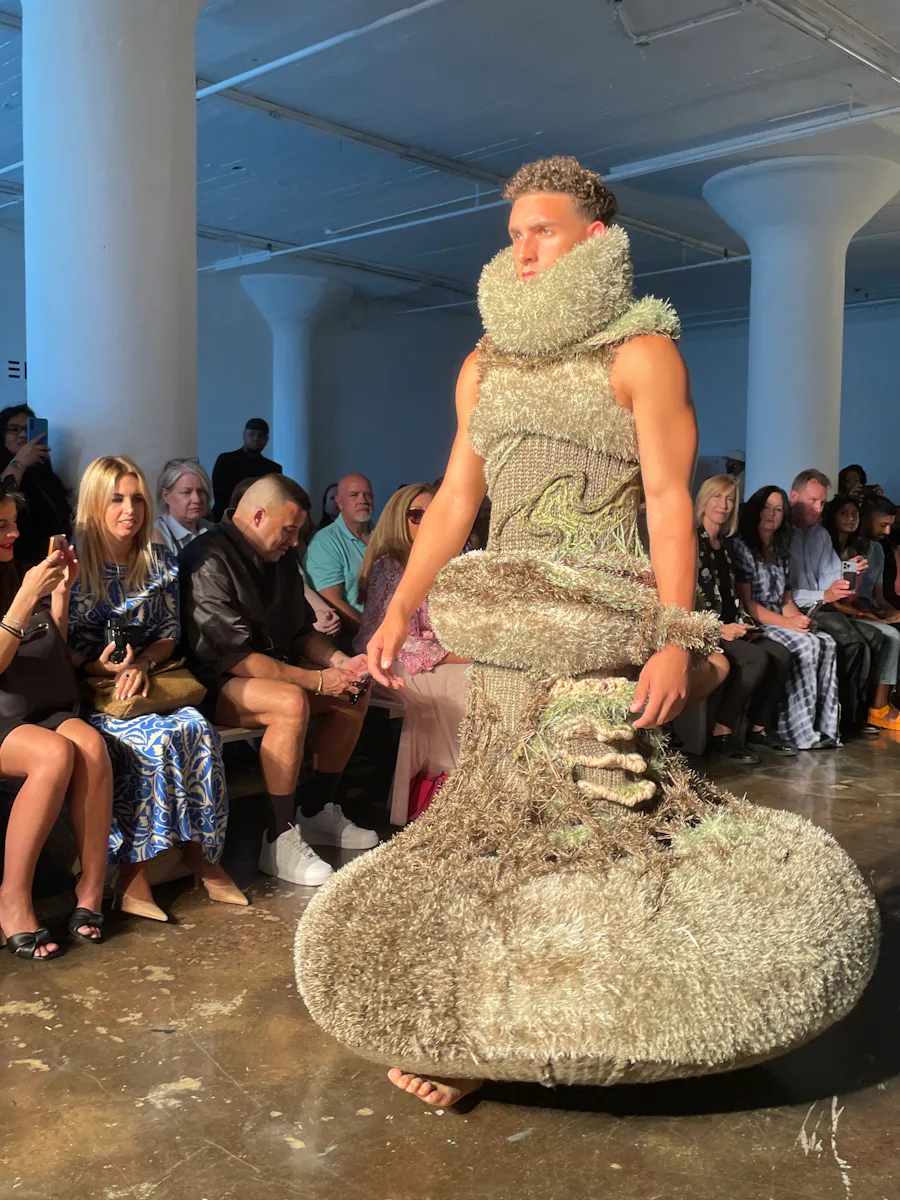
The visual representation of sensory-friendly apparel highlights the confluence of comfort and style, underscoring the transformative potential of adaptive design.
Future Perspectives in Sensory-Aware Fashion
The impetus toward sensory-friendly clothing signals a broader cultural shift toward embracing neurodivergence comprehensively. As awareness grows, the industry is poised to integrate even more sophisticated adaptations, including inclusive sizing standards, eco-conscious fabrics, and enhanced customization through digital platforms.
Collaborations between technologists, designers, and autistic communities promise to yield innovative textiles and garment technologies that anticipate and respond to sensory needs in real time. The future of fashion, in this sense, is not only personalized but also profoundly empathetic.
Ultimately, sensory-friendly clothing brands are redefining the contours of fashion by centering sensory comfort as a fundamental prerequisite rather than an afterthought. This paradigm shift champions inclusivity and dignity, shaping a world where style is accessible and meaningful to every individual, regardless of sensory profile.












