Meal prepping can feel like navigating a labyrinth of sensory triggers, dietary restrictions, and time constraints—especially for individuals on the autism spectrum. The clatter of pots, the aroma of spices, the unpredictability of textures—each element can transform a simple act of cooking into a daunting challenge. Yet, with the right strategies, meal prep can become a sanctuary of routine, a canvas for creativity, and a source of nourishment without the overwhelm. This guide explores how to tailor meal preparation to the unique needs of neurodivergent individuals, offering practical tips to streamline the process while honoring sensory preferences and cognitive strengths.
The Sensory Symphony: Harmonizing Your Kitchen Environment
The kitchen is a sensory orchestra, where sights, sounds, smells, and textures play in constant harmony—or discord. For someone with autism, this symphony can quickly crescendo into sensory overload. The hum of the refrigerator, the sizzle of oil in a pan, the sticky residue of raw dough—each sensation demands attention, leaving little bandwidth for the task at hand. To mitigate this, start by curating a sensory-friendly workspace. Soft lighting, such as under-cabinet LEDs or dimmable bulbs, can reduce visual strain. Noise-canceling headphones or earplugs can muffle the cacophony of appliances, while a white noise machine can provide a consistent auditory backdrop. Consider swapping metal utensils for silicone or wooden ones, as the clatter of stainless steel can be jarring. Even the choice of cookware matters: non-stick pans require less scrubbing, reducing the post-cooking sensory punishment of scrubbing burnt residue.
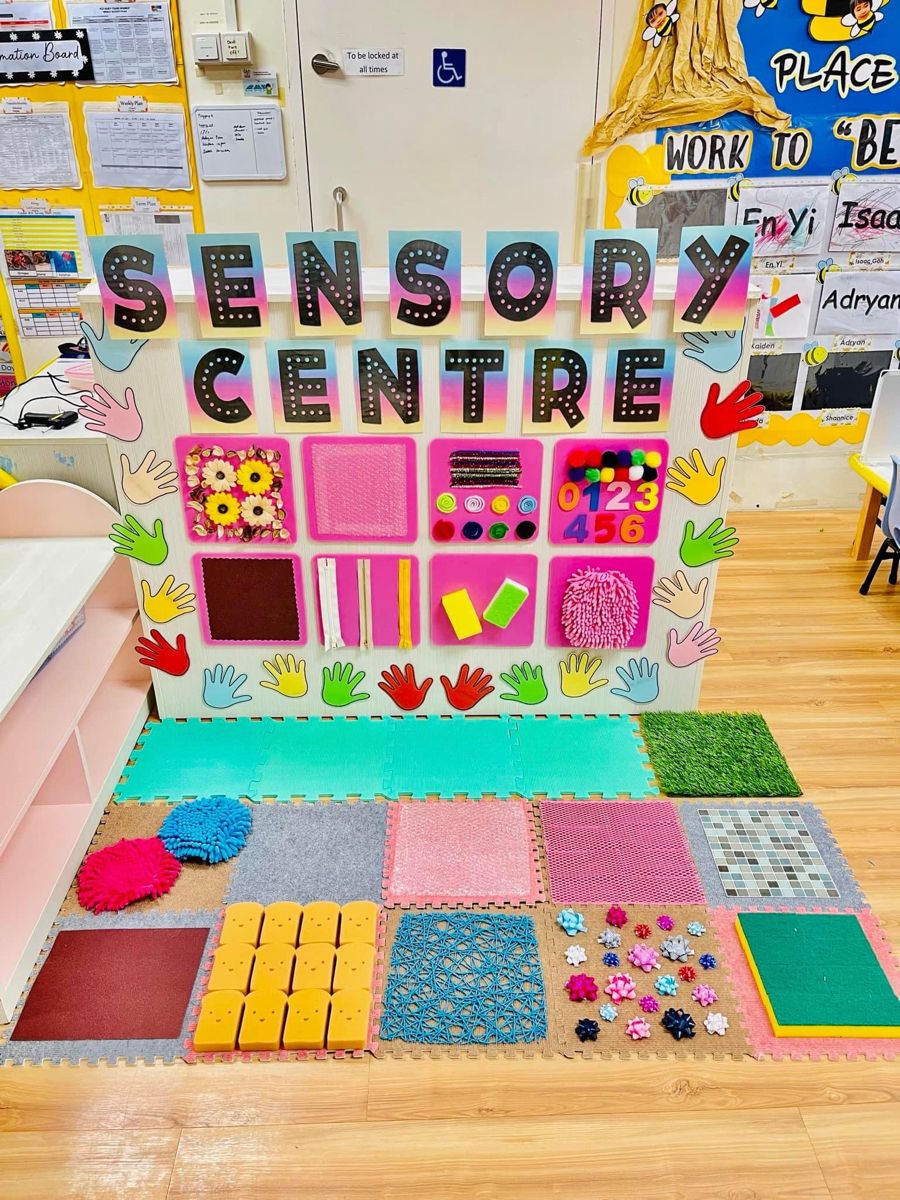
Textures are another critical consideration. If the thought of handling raw meat or sticky rice sends shivers down your spine, opt for pre-cut vegetables or frozen pre-portioned proteins. Alternatively, invest in textured gloves or utensils with ergonomic grips to create a barrier between your hands and the food. The goal isn’t to eliminate all sensory input but to control it, transforming the kitchen from a battleground of stimuli into a space where you can focus on the act of nourishing yourself.
Routine as an Anchor: The Power of Predictability
Autism thrives on predictability, and meal prep is no exception. A rigid schedule can transform an unpredictable task into a series of manageable steps. Start by dedicating a specific day and time each week to meal prep, treating it with the same reverence as a doctor’s appointment. Consistency breeds familiarity, and familiarity breeds comfort. Use visual aids, such as a whiteboard or digital calendar, to map out each step of the process. Break the task into smaller, digestible chunks—perhaps one day for grocery shopping, another for chopping vegetables, and a third for cooking and portioning. Each step should be clearly defined, with minimal room for ambiguity.
Automation can further streamline the process. Invest in appliances that reduce manual labor, such as a rice cooker, slow cooker, or Instant Pot. These tools allow you to set parameters and walk away, knowing the meal will cook itself. Pre-portioning ingredients into clear containers or zip-top bags can also simplify the process, eliminating the need to measure or chop on the fly. For those who struggle with executive function, consider using a meal prep service or grocery delivery to minimize the cognitive load of planning and shopping. The key is to create a system that feels like a well-oiled machine, where each step flows seamlessly into the next.
Dietary Alchemy: Adapting Meals to Sensory and Nutritional Needs
Dietary restrictions and sensory aversions often go hand in hand for individuals on the autism spectrum. A food’s texture, color, or smell can render it inedible, even if it’s nutritionally balanced. The solution lies in dietary alchemy—transforming meals to suit your unique preferences without sacrificing nutrition. Start by identifying your sensory triggers. Do you recoil at the sight of mushy foods? Opt for crunchy textures like roasted vegetables or crispy chickpeas. Is the smell of garlic overwhelming? Use asafoetida, a pungent spice that mimics the flavor of onions and garlic without the aroma. For those who struggle with mixed textures, consider blending ingredients into smoothies, soups, or casseroles, where individual components are indistinguishable.
Nutritional needs should also be tailored to your body’s quirks. If you’re averse to certain food groups, such as dairy or gluten, explore alternative sources of calcium, protein, and fiber. Nut butters, fortified plant-based milks, and gluten-free grains can fill the gaps. For picky eaters, consider “stealth health” techniques, such as sneaking pureed vegetables into sauces or baking them into muffins. The goal isn’t to force yourself to eat foods you dislike but to find creative ways to meet your nutritional needs without triggering sensory discomfort.

Tools of the Trade: Gadgets and Gizmos for Effortless Meal Prep
The right tools can turn a laborious chore into a streamlined process. For individuals with autism, tools that reduce sensory friction and cognitive load are particularly valuable. A mandoline slicer, for example, can quickly and uniformly slice vegetables, eliminating the need for manual chopping. A food processor can puree, shred, or chop ingredients with minimal effort, while a spiralizer can transform vegetables into noodle-like strands for a fun, textural twist. Silicone muffin tins and loaf pans are non-stick and easy to clean, reducing the post-cooking cleanup that can feel like a punishment.
Portion control is another area where tools can make a difference. A kitchen scale can ensure consistent serving sizes, while measuring cups and spoons with large, easy-to-read markings can simplify the process of following recipes. For those who struggle with fine motor skills, utensils with built-up handles or adaptive grips can make stirring, scooping, and serving less frustrating. Even something as simple as a magnetic knife strip can keep countertops clutter-free, reducing visual chaos. The key is to invest in tools that align with your strengths and compensate for your challenges, turning meal prep into a task that feels manageable rather than overwhelming.
The Art of Compromise: Balancing Independence and Support
Meal prep doesn’t have to be a solo endeavor. For some individuals on the autism spectrum, the support of a caregiver, partner, or friend can make the process more enjoyable and less daunting. The key is to strike a balance between independence and assistance, ensuring that the meal prep experience feels empowering rather than infantilizing. Start by identifying tasks that feel overwhelming and delegate them. Perhaps a caregiver can handle grocery shopping or chopping vegetables, while you take charge of the cooking or portioning. Alternatively, consider enlisting the help of a meal prep service that offers customizable options, allowing you to select meals that align with your sensory and dietary needs.
If you prefer to work alone, create a support system that operates in the background. Set up a meal train where friends or family members prepare and deliver meals on a rotating basis. Use apps or online communities to share meal prep ideas and troubleshoot challenges with others who understand your perspective. The goal is to build a network of support that enhances your meal prep experience without compromising your autonomy.
Mindful Meal Prep: Cultivating a Positive Relationship with Food
Meal prep isn’t just about efficiency—it’s also about cultivating a positive relationship with food. For individuals on the autism spectrum, food can be a source of anxiety, sensory discomfort, or even trauma. Mindful meal prep involves approaching the process with intention, curiosity, and self-compassion. Start by reframing meal prep as an act of self-care rather than a chore. Set aside time to explore new recipes, ingredients, and techniques, treating each meal as an experiment rather than a test. Celebrate small victories, such as successfully preparing a meal without sensory overload or trying a new ingredient without aversion.
Incorporate mindfulness techniques to stay present during the process. Focus on the sensory experience of cooking—the warmth of the oven, the aroma of herbs, the texture of dough between your fingers. If your mind wanders to anxiety or frustration, gently redirect your attention to the task at hand. Over time, this practice can transform meal prep from a source of stress into a meditative ritual, a moment of calm in an otherwise chaotic world.
Meal prep for individuals on the autism spectrum is less about adhering to rigid rules and more about creating a system that works for you. It’s about honoring your sensory preferences, leveraging your strengths, and finding joy in the process of nourishing yourself. With the right strategies, tools, and mindset, meal prep can become a source of empowerment, a testament to your ability to adapt and thrive. So take a deep breath, set your intentions, and step into the kitchen with curiosity and courage. The meal you prepare might just be the first step toward a more balanced, nourishing life.