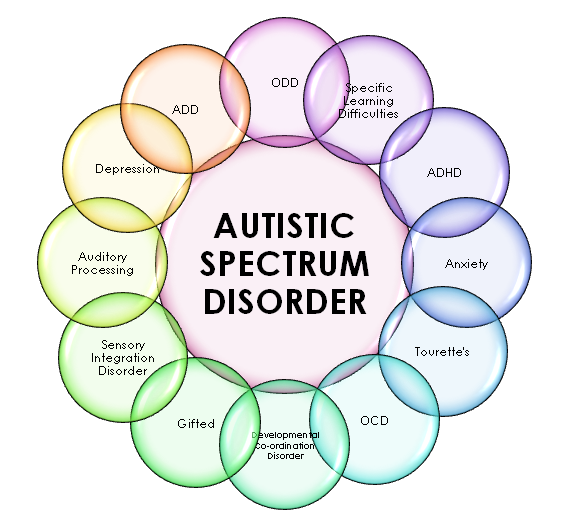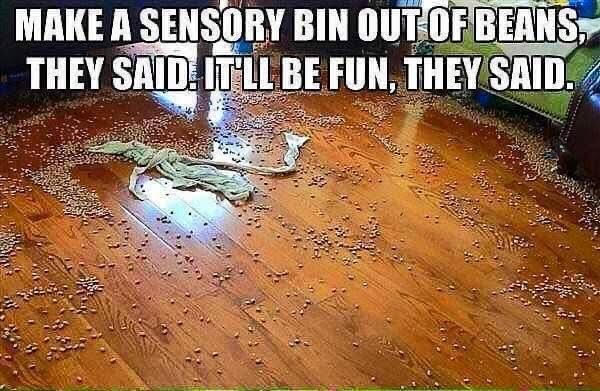
In a digital landscape where laughter often serves as both shield and salve, autism-related memes have carved out a peculiar niche. They oscillate between the hilariously absurd and the poignantly relatable, offering a shared language for parents, caregivers, and individuals navigating the complexities of autism. These memes are more than mere internet ephemera; they are a cultural artifact, reflecting the collective psyche of those touched by neurodiversity. Their proliferation speaks to a universal human need—to find humor in the chaos, to normalize the extraordinary, and to foster connection through shared experience.
The allure of autism memes lies in their ability to distill intricate emotions into bite-sized, digestible humor. A single image paired with a witty caption can encapsulate the exhaustion of a meltdown, the pride of a breakthrough, or the surreal nature of societal misconceptions. They transform the intangible into the tangible, allowing individuals to see their own struggles reflected in a pixelated mirror. Yet, beneath the surface of laughter, these memes also hint at something deeper: a quiet rebellion against isolation, a defiant embrace of authenticity, and an unspoken acknowledgment that joy and struggle often coexist in the same breath.
The Catharsis of Shared Struggle
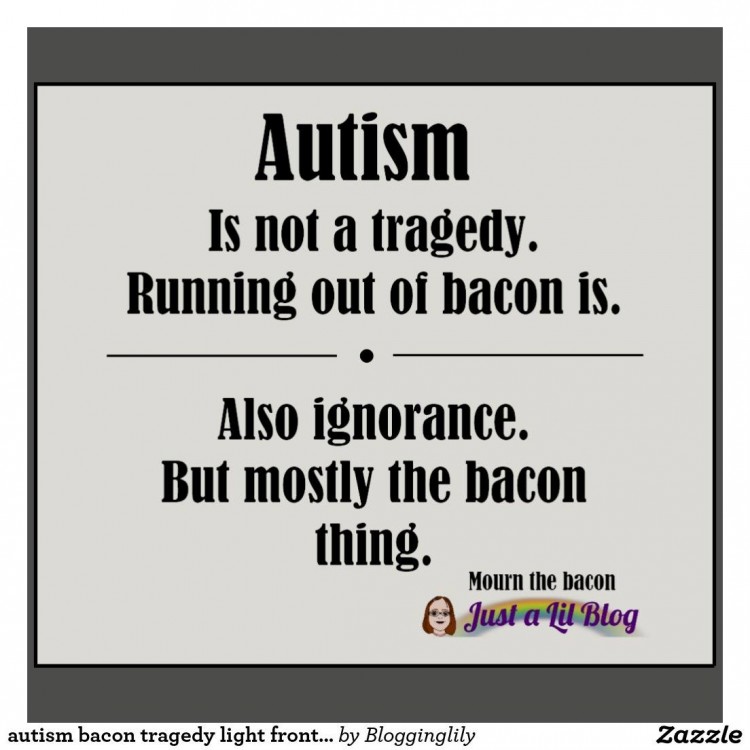
Autism memes thrive in the fertile ground of shared struggle. For parents and caregivers, these images act as a digital campfire, where stories of triumph and tribulation are exchanged with the flicker of a screen. The humor is often rooted in the mundane—those moments when a child’s literal interpretation of language leads to a hilariously awkward conversation, or when a routine disruption spirals into a full-blown sensory overload. These memes don’t just poke fun; they validate. They whisper, “You are not alone,” in a language that transcends geography and circumstance.
Consider the meme of a child insisting on wearing a dinosaur costume to a grocery store, oblivious to the stares. For a parent, this image is a balm. It transforms a moment of judgment into a badge of honor, a reminder that their child’s uniqueness is not a flaw but a quirk to be celebrated. The humor disarms the stigma, replacing it with a knowing chuckle. It’s a form of emotional alchemy, turning frustration into laughter and isolation into solidarity.
The Subversive Power of Humor
Humor has long been a tool of the marginalized, a way to reclaim agency in a world that often misunderstands or dismisses them. Autism memes are no exception. They subvert societal expectations by reframing autism not as a deficit but as a different way of experiencing the world—one that is rich with its own logic and beauty. The jokes that circulate online are not just about poking fun at stereotypes; they are about dismantling them, one meme at a time.
Take, for instance, the meme that plays on the phrase “special interests.” In a culture that often pathologizes intense focus, these memes celebrate it. A child who can recite entire encyclopedias of dinosaur facts or a teenager who spends hours analyzing the minutiae of a favorite video game becomes the punchline—not because their passion is silly, but because the world fails to see its value. The humor here is a Trojan horse, smuggling in a message of acceptance under the guise of a joke.
The Double-Edged Sword of Relatability
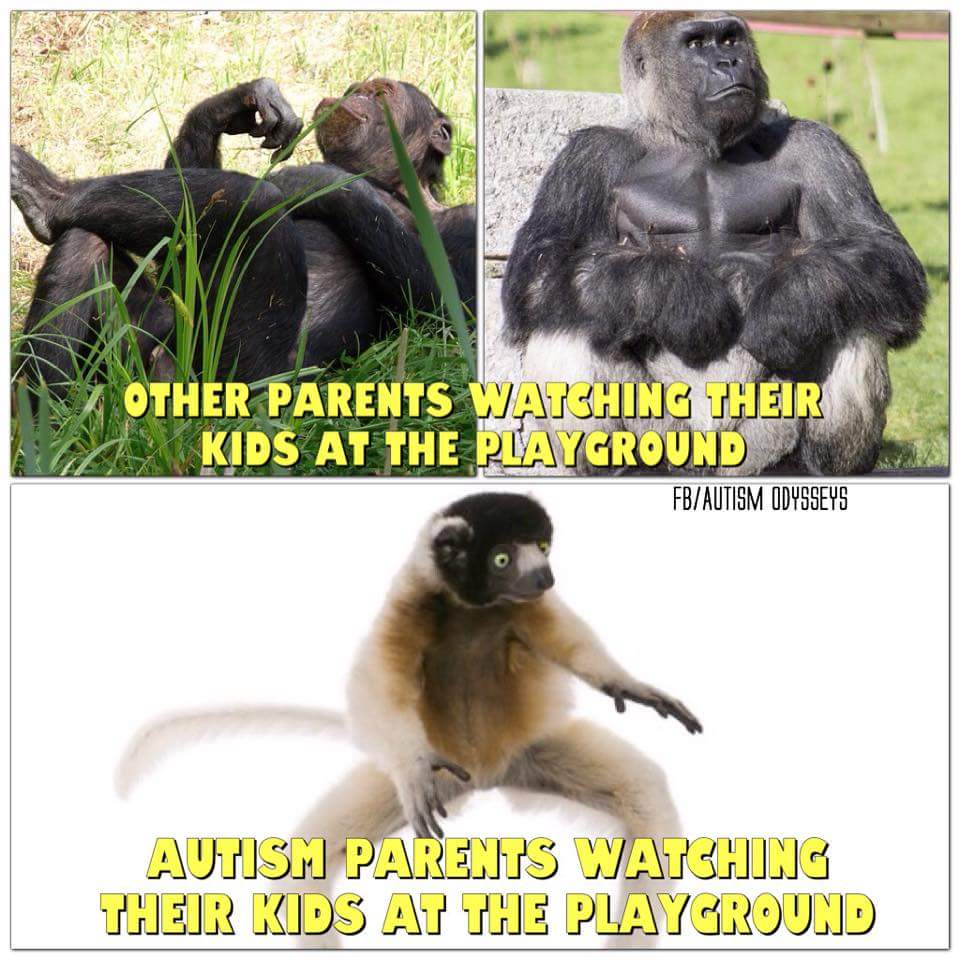
Yet, the relatability of autism memes is a double-edged sword. While they offer solace to those who see their lives reflected in the images, they can also become a echo chamber, reinforcing stereotypes rather than challenging them. The line between humor and offense is perilously thin, and what resonates with one person may alienate another. The challenge lies in striking a balance—using humor to foster connection without reducing the complexity of autism to a punchline.
This tension is evident in the debates that swirl around autism memes. Some argue that they trivialize the struggles of individuals and families, reducing profound challenges to a fleeting chuckle. Others counter that humor is a necessary coping mechanism, a way to process emotions that might otherwise be overwhelming. The truth, as it often does, lies somewhere in the middle. Autism memes can be a force for good when they celebrate neurodiversity, but they risk harm when they perpetuate harmful tropes or mock the very real difficulties that come with autism.
The Role of Memes in Advocacy
Beyond their entertainment value, autism memes have emerged as an unlikely form of advocacy. They spread awareness in a way that traditional campaigns often cannot—by making the abstract tangible and the serious approachable. A meme that goes viral can reach thousands of people in a matter of hours, sparking conversations about autism that might never have happened otherwise. The humor disarms defenses, making it easier for people to engage with ideas they might otherwise dismiss.
For example, a meme that pokes fun at the myth of “curing” autism can prompt discussions about acceptance and neurodiversity. By framing the conversation in terms of humor, it invites people in rather than shutting them out. This is the power of memes: they are a Trojan horse for ideas, slipping past the gatekeepers of conventional discourse to plant seeds of change.
The Psychology Behind the Laughter
The fascination with autism memes also speaks to a deeper psychological phenomenon: the human need for pattern and meaning. In a world that often feels chaotic and unpredictable, humor provides a sense of control. It allows us to impose order on the disorder, to find patterns in the noise. For parents and caregivers of autistic children, this is especially poignant. Autism can feel like a puzzle with missing pieces, and memes offer a way to fill in the gaps—if only for a moment.
There’s also the element of schadenfreude, the pleasure derived from someone else’s misfortune. In the context of autism memes, this isn’t about cruelty but about finding humor in the shared experience of parenting a child who marches to the beat of their own drum. It’s a way to laugh at the absurdity of life’s challenges without diminishing their gravity. The humor becomes a coping mechanism, a way to process the emotions that come with caring for someone who sees the world differently.

The Future of Autism Memes
As autism awareness grows, so too will the landscape of autism-related humor. The memes of today may evolve into something more nuanced, reflecting the diverse experiences of the autistic community. Already, there’s a shift toward memes that center autistic voices rather than those of parents or caregivers. This is a crucial development, as it ensures that the humor remains authentic and inclusive.
The future of autism memes will likely see a greater emphasis on intersectionality, acknowledging that autism doesn’t exist in a vacuum. Memes will need to reflect the experiences of autistic individuals from different cultural backgrounds, genders, and socioeconomic statuses. The challenge will be to balance humor with authenticity, ensuring that the jokes land with the right audience without alienating others.
Ultimately, autism memes are more than just a fleeting internet trend. They are a testament to the power of humor as a tool for connection, advocacy, and resilience. In a world that often struggles to understand neurodiversity, these memes offer a bridge—a way to find common ground in the shared experience of laughter and tears. They remind us that even in the most challenging circumstances, there is room for joy, for connection, and for the unapologetic celebration of what makes us different.
So the next time you come across an autism meme, take a moment to appreciate its duality. It’s a joke, yes, but it’s also something more—a lifeline, a mirror, and a rallying cry for a community that refuses to be defined by its struggles. In the end, the best autism memes don’t just make us laugh; they make us feel seen.