
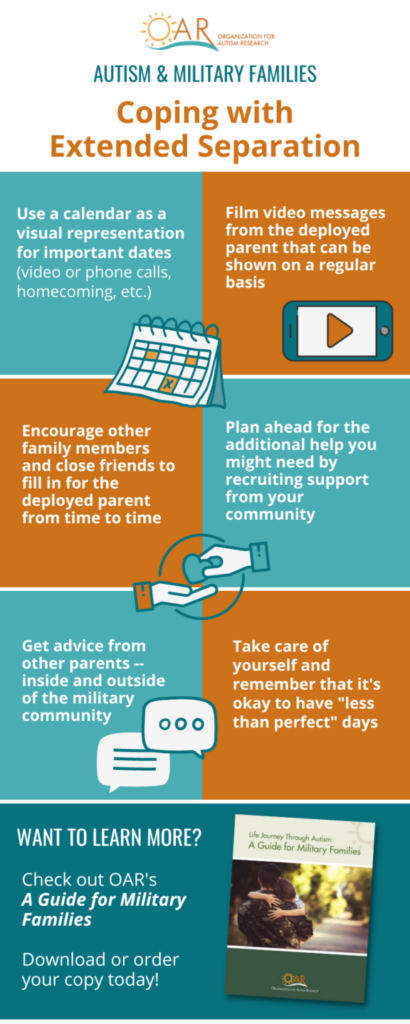
Autism and military families often navigate a labyrinth of unique challenges, where the demands of service intersect with the complexities of neurodiversity. The life of a military family is already marked by frequent relocations, prolonged separations, and the relentless pressure of duty. When autism enters the equation, these challenges take on new dimensions—demanding resilience, adaptability, and an unyielding commitment to support. Yet, within this intersection lies an opportunity for transformation, a chance to redefine what support looks like for those who serve and those who care for them.
The journey of a military family raising a child with autism is not one of defeat but of discovery. It is a narrative of navigating bureaucratic hurdles, advocating for individualized care, and fostering environments where neurodivergent individuals can thrive. This article explores the resources and support systems available to military families affected by autism, shedding light on both the obstacles they face and the innovative solutions that are reshaping their experiences.
The Unseen Battles: Challenges Faced by Military Families with Autism
Military life is a tapestry woven with unpredictability—frequent moves, sudden deployments, and the emotional toll of separation. For families with a neurodivergent child, these challenges are magnified. The rigid structures of military life, designed for uniformity and efficiency, often clash with the fluid needs of an autistic individual. A sudden relocation, for instance, can disrupt established routines, therapies, and support networks, leaving families scrambling to rebuild stability in unfamiliar territory.
Moreover, the healthcare systems within the military, while robust, are not always equipped to handle the nuanced demands of autism. Access to specialized therapies, diagnostic evaluations, and trained professionals can be inconsistent, particularly in remote or overseas locations. The result? A pervasive sense of isolation, where families feel they are fighting battles unseen by their peers in civilian life.
Yet, these challenges are not insurmountable. They are, in fact, the very catalysts that drive military families to become advocates, innovators, and pillars of resilience within their communities. The key lies in recognizing these obstacles not as roadblocks but as opportunities to forge new pathways toward support and understanding.
Navigating the Bureaucratic Maze: Accessing Military-Specific Resources
The U.S. Department of Defense (DoD) and the Department of Veterans Affairs (VA) offer a suite of programs designed to assist military families, including those affected by autism. Programs like the Exceptional Family Member Program (EFMP) provide critical support, from specialized medical care to educational advocacy. However, the complexity of these systems can be daunting, often requiring families to become de facto experts in navigating bureaucratic channels.
One of the most significant hurdles is the variability in resource availability across different military installations. While some bases boast comprehensive autism support centers, others may offer limited services, forcing families to rely on external organizations or creative solutions. For instance, the Military Child Education Coalition and Autism Speaks have partnered to create toolkits specifically tailored to military families, offering guidance on everything from Individualized Education Programs (IEPs) to transition planning.
But access is only half the battle. The true challenge lies in ensuring that these resources are not just available but accessible—that families know they exist, understand how to utilize them, and feel empowered to demand the support they deserve. This requires a cultural shift within military institutions, one that prioritizes neurodiversity and views autism not as a limitation but as a facet of diversity to be embraced.
Community as a Lifeline: The Power of Peer Support
In the face of bureaucratic inertia, military families have turned to each other, forming tight-knit communities that serve as lifelines in turbulent times. Online forums, social media groups, and local support networks have become invaluable, offering a space where parents can share experiences, exchange advice, and find solace in the knowledge that they are not alone.
These communities are more than just support groups; they are incubators of innovation. Families pool their resources to create sensory-friendly spaces in military housing, organize advocacy workshops, and even fundraise for specialized therapies when government programs fall short. The Military Families and Veterans Autism Network (MFVAN), for example, connects families across branches, providing mentorship, training, and a platform for collective action.
Yet, the strength of these communities lies not just in their ability to provide practical support but in their capacity to challenge stigma. By sharing their stories, military families are dismantling myths about autism, replacing pity with pride, and fostering a culture of acceptance within the armed forces. This grassroots movement is a testament to the power of collective action—and a reminder that change often begins at the grassroots level.
Innovative Solutions: When Traditional Support Falls Short
When military and civilian resources prove insufficient, families often turn to unconventional solutions to meet their children’s needs. Telehealth services, for instance, have emerged as a game-changer, allowing families in remote locations to access autism therapy without the logistical nightmare of travel. Similarly, mobile sensory rooms—portable environments designed to calm and stimulate autistic individuals—are being deployed in military housing to provide immediate relief during transitions or crises.
Another innovative approach is the integration of autism awareness into military training programs. By educating service members about neurodiversity, families can foster greater understanding within their units, reducing the stigma that often accompanies autism in military settings. Programs like Autism Awareness Training for Military Personnel are paving the way for a more inclusive culture, where autistic individuals are seen not as outliers but as valued members of the community.
These solutions underscore a critical truth: necessity is the mother of invention. Military families, faced with unique challenges, are not waiting for systems to change—they are driving that change themselves, one innovative solution at a time.
The Road Ahead: Building a More Inclusive Military Culture
The future of autism support within military families hinges on a fundamental shift in perspective—one that views neurodiversity not as a burden but as an asset. This shift begins with policy. The DoD and VA must prioritize autism-specific training for healthcare providers, streamline access to therapies, and ensure that EFMP programs are consistently implemented across all installations.
But policy alone is not enough. Cultural change is the linchpin. Military leadership must champion neurodiversity, fostering environments where autistic individuals are celebrated for their strengths rather than stigmatized for their differences. This means rethinking traditional notions of “readiness” and “adaptability,” recognizing that neurodivergent individuals bring unique perspectives that can enhance military operations.
For families, this shift translates into a future where their children are not just accommodated but empowered. Where deployments are planned with their child’s needs in mind. Where schools on military bases are equipped to nurture neurodivergent minds. Where the word “autism” is met not with hesitation but with a chorus of “How can we help?”
The journey is far from over, but the path is becoming clearer. Military families are no longer asking for handouts; they are demanding a seat at the table. They are not just surviving—they are thriving, and in doing so, they are redefining what it means to serve.
Autism and military life are not incompatible. They are, in fact, a testament to the resilience of the human spirit—a reminder that with the right support, even the most daunting challenges can be transformed into opportunities for growth. The question is no longer whether these families can succeed. It is whether society is ready to meet them halfway.












