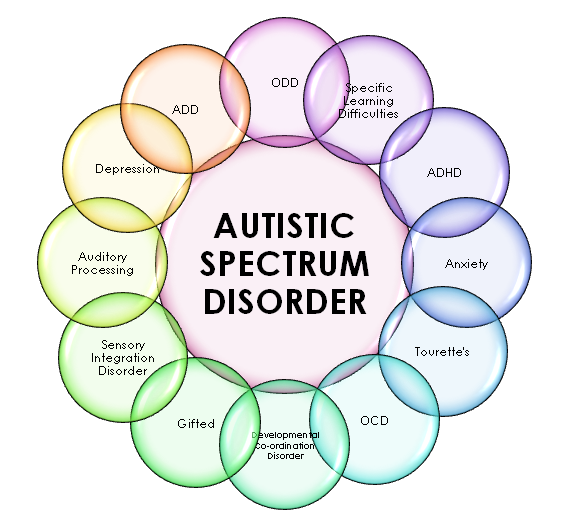
Online schooling has emerged as a transformative force in education, particularly for neurodivergent learners such as those with autism. The digital classroom offers a flexible, customizable environment that can either alleviate or exacerbate the challenges associated with autism spectrum disorder (ASD). For parents, educators, and students alike, understanding the nuanced interplay between autism and online learning is essential to harnessing its potential while mitigating its pitfalls. This article explores the multifaceted landscape of autism and online schooling, dissecting its advantages, drawbacks, and the diverse content formats that can enrich the educational experience.
The transition to virtual learning has been both a boon and a burden for autistic students. While some thrive in the structured yet adaptable nature of online education, others may struggle with the sensory overload, social isolation, or technological barriers that accompany digital instruction. The key lies in recognizing individual needs and tailoring the online experience to accommodate them. From interactive multimedia lessons to asynchronous discussion forums, the tools available today can be wielded to create an inclusive and engaging learning environment—or, if misused, can deepen existing difficulties. By examining the pros and cons through a lens of practicality and empathy, this guide aims to illuminate the path forward for those navigating this complex educational frontier.
The Liberating Flexibility of Asynchronous Learning
One of the most heralded advantages of online schooling for autistic students is the unparalleled flexibility it provides. Asynchronous learning—where lessons, assignments, and discussions are not bound by real-time constraints—allows students to engage with material at their own pace, free from the pressure of keeping up with peers or adhering to rigid schedules. This autonomy is particularly beneficial for those with executive dysfunction, a common challenge in autism, as it reduces the cognitive load of multitasking and time management.
Consider a student who thrives during late-night hours or requires frequent breaks to regulate sensory input. In a traditional classroom, such needs might be dismissed as disruptive or non-compliant. Online schooling, however, grants the autonomy to structure the day in a way that aligns with the student’s natural rhythms. Video lectures can be paused, replayed, or broken into digestible segments, while written assignments can be tackled in short, focused bursts. This adaptability extends beyond the academic realm, allowing families to integrate therapy sessions, sensory breaks, or other therapeutic interventions without sacrificing educational progress.
The absence of a physical classroom also diminishes many of the sensory triggers that can overwhelm autistic students. Fluorescent lighting, crowded hallways, and unpredictable noise levels—common stressors in brick-and-mortar schools—are replaced by the controlled environment of a home workspace. For those with heightened sensory sensitivities, this reduction in environmental stimuli can be the difference between engagement and withdrawal. However, it’s crucial to note that this sensory relief is not universal; some autistic students may struggle with the isolation of a home setting or the lack of tactile feedback from in-person interactions.

The Paradox of Social Isolation and Digital Connection
Social interaction is a double-edged sword in the context of online schooling for autistic students. On one hand, the digital realm can provide a safer space for communication, free from the unwritten rules and unpredictable dynamics of face-to-face interactions. Text-based platforms, such as discussion forums or instant messaging, allow students to process conversations at their own speed, crafting responses without the pressure of real-time social cues. This can be particularly empowering for those who struggle with pragmatic language or nonverbal communication, offering a low-stakes avenue for social engagement.
On the other hand, the lack of in-person interaction can exacerbate feelings of loneliness and disconnection. Autistic students who rely on visual or auditory cues to interpret social situations may find themselves at a disadvantage in a virtual setting, where tone and intent are often ambiguous. The absence of spontaneous peer interactions—such as group projects, hallway conversations, or shared laughter—can leave students feeling isolated, even if they are technically “present” in the classroom. Educators must strike a balance by fostering intentional social opportunities, such as virtual study groups or one-on-one check-ins, to ensure that the digital divide does not widen the gap in social development.
Moreover, the digital divide itself poses a significant challenge. Not all autistic students have access to high-speed internet, dedicated devices, or a quiet workspace. For families in low-income households or rural areas, online schooling can exacerbate existing inequalities, leaving some students further behind. Schools and policymakers must address these barriers by providing resources such as loaner devices, subsidized internet access, or community hubs where students can attend classes in a supervised, sensory-friendly environment.
Customization and Personalization: A Tailored Educational Experience
The ability to customize learning experiences is perhaps the most transformative aspect of online schooling for autistic students. Traditional classrooms often operate on a one-size-fits-all model, where pacing, content, and assessment methods are standardized. For neurodivergent learners, this rigidity can lead to frustration, disengagement, or even behavioral challenges. Online platforms, however, allow for a high degree of personalization, enabling educators to adapt lessons to the unique strengths, interests, and challenges of each student.
Adaptive learning technologies, such as gamified lessons or interactive simulations, can make abstract concepts more tangible and engaging. For example, a student who struggles with abstract math may benefit from a visual, game-based approach that breaks problems into interactive steps. Similarly, students with strong visual-spatial skills might excel in digital art or coding classes, where creativity and logic intersect. The key is to leverage the student’s interests as a gateway to broader learning, a strategy known as “special interest-based learning.” By incorporating topics that captivate the student—whether it’s dinosaurs, space exploration, or video games—educators can foster intrinsic motivation and deepen engagement.
Assessment methods can also be tailored to accommodate different learning styles. Traditional exams may not accurately reflect the knowledge or skills of an autistic student, particularly if they struggle with test anxiety or executive dysfunction. Online platforms can offer alternative assessments, such as portfolios, multimedia presentations, or project-based evaluations, which provide a more holistic view of the student’s abilities. Additionally, the use of text-to-speech or speech-to-text tools can level the playing field for students with dysgraphia or motor skill challenges, ensuring that their ideas are not overshadowed by the mechanics of writing.

The Hidden Challenges: Executive Function and Digital Literacy
While online schooling offers unparalleled flexibility, it also demands a high level of executive function—the cognitive processes that enable planning, organization, and self-regulation. For autistic students who struggle with these skills, the transition to virtual learning can feel like navigating a labyrinth without a map. Deadlines, digital file management, and multitasking between multiple platforms can quickly become overwhelming, leading to procrastination, missed assignments, or a sense of paralysis.
To mitigate these challenges, educators and parents can implement structured routines and external supports. Visual schedules, task breakdowns, and reminder systems can provide the scaffolding needed to keep students on track. Tools like digital planners, time-tracking apps, or even simple checklists can help students visualize their progress and reduce the anxiety associated with open-ended tasks. It’s also essential to teach digital literacy skills explicitly, ensuring that students understand how to navigate online platforms, manage their accounts, and troubleshoot technical issues independently.
The lack of immediate feedback in asynchronous learning can further compound these difficulties. In a traditional classroom, a teacher’s presence provides constant cues about pacing, comprehension, and engagement. Online, students must rely on self-monitoring, which can be particularly challenging for those with alexithymia (difficulty identifying emotions) or poor interoception (awareness of internal bodily states). Regular check-ins, whether through video calls, emails, or progress reports, can help bridge this gap, offering reassurance and guidance without overwhelming the student.
Parent and Educator Roles: Collaboration in a Virtual World
The success of online schooling for autistic students hinges on a collaborative partnership between parents, educators, and support professionals. Parents, who often serve as the primary advocates for their children, play a critical role in creating a conducive learning environment at home. This may involve setting up a dedicated workspace, establishing routines, or providing emotional support during moments of frustration. However, it’s important to strike a balance—while parental involvement is invaluable, over-involvement can stifle independence or create dependency.
Educators, too, must adapt their teaching strategies to the virtual realm. This might mean rethinking lesson delivery, incorporating more interactive elements, or providing asynchronous feedback to accommodate different schedules. Professional development in neurodiversity-affirming practices is essential, as is the use of assistive technologies that can enhance accessibility. For example, closed captioning, text-to-speech software, or alternative input devices can remove barriers for students with sensory or motor challenges.
Therapists and support staff also have a vital role to play. Occupational therapists can recommend sensory-friendly adaptations for home workspaces, while speech-language pathologists can help students develop pragmatic language skills in a digital context. By working as a cohesive team, these professionals can ensure that the online learning experience is not just a stopgap measure but a pathway to long-term success and growth.
Looking Ahead: The Future of Autism and Online Education
The landscape of online schooling is continually evolving, with new technologies and pedagogical approaches emerging at a rapid pace. Virtual reality (VR) and augmented reality (AR) are poised to revolutionize the way autistic students engage with content, offering immersive, interactive experiences that cater to diverse learning styles. Social-emotional learning (SEL) programs, designed to teach skills like emotional regulation and perspective-taking, can be integrated into online curricula to address the social challenges that many autistic students face.
As online schooling becomes more mainstream, it’s crucial to advocate for policies that prioritize accessibility and inclusivity. This includes ensuring that digital platforms comply with web accessibility standards, such as the Web Content Accessibility Guidelines (WCAG), and that funding is allocated to support students who need additional resources. By fostering a culture of innovation and empathy, we can create an educational ecosystem where autistic students not only survive but thrive.
The journey of integrating autism and online schooling is not without its obstacles, but the potential rewards are immense. For those who find the right balance of structure and flexibility, the digital classroom can unlock a world of possibilities—one where learning is not a one-size-fits-all endeavor but a personalized, empowering experience. The key lies in embracing the nuances, leveraging the tools at our disposal, and approaching each student with curiosity, patience, and an unwavering commitment to their growth.