Autism spectrum disorder (ASD) presents a mosaic of challenges, particularly in the realm of communication and emotional expression. For children navigating this intricate landscape, traditional therapeutic approaches often fall short in engaging their unique ways of perceiving the world. Enter play therapy—a dynamic, child-centered modality that transcends conventional boundaries, offering a sanctuary where words are not the sole medium of connection. This article delves into the transformative potential of play therapy for autistic children, exploring its mechanisms, benefits, and the diverse forms it can take to foster self-expression and emotional growth.
Play therapy is not merely a recreational activity; it is a carefully structured intervention that leverages the innate language of children—play—to facilitate healing and development. For autistic children, whose cognitive and sensory experiences may differ markedly from neurotypical peers, play therapy provides a non-threatening environment where they can explore emotions, process experiences, and cultivate social skills without the pressure of verbal articulation. The therapeutic alliance formed through play allows children to externalize their inner worlds, making abstract feelings tangible and manageable.
The Science Behind Play Therapy and Autism
At its core, play therapy operates on the principle that play is a child’s primary language. For autistic children, who may struggle with verbal communication or exhibit atypical sensory processing, play becomes an alternative channel for expression. Research underscores that play therapy can enhance neural plasticity, particularly in areas of the brain associated with social cognition and emotional regulation. By engaging in structured or unstructured play, children with ASD can gradually refine their ability to interpret social cues, regulate emotions, and develop coping strategies.
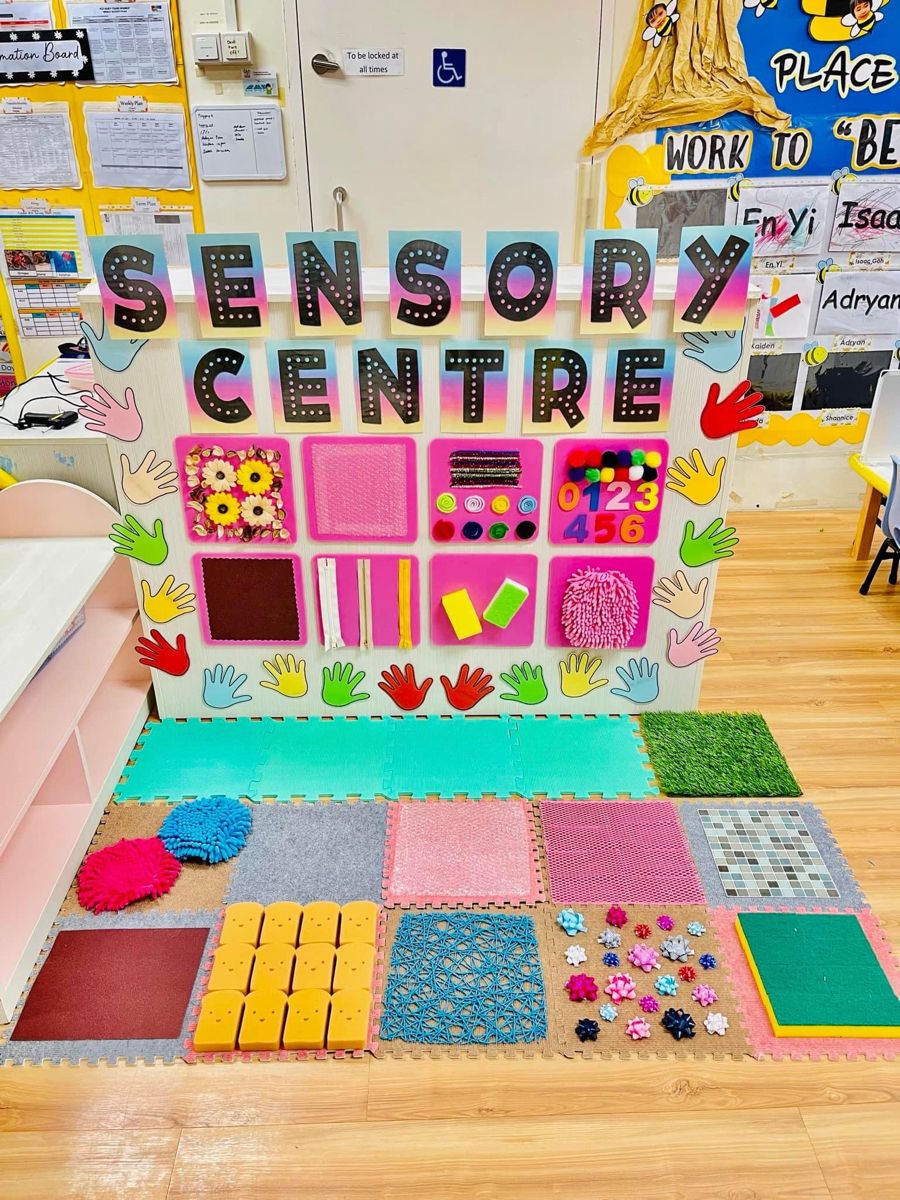
The therapeutic process often begins with the establishment of a safe, predictable environment. Autistic children thrive on routine and familiarity, and play therapy sessions are meticulously designed to provide this consistency. Therapists may employ a blend of directive and non-directive techniques, tailoring interventions to the child’s developmental level and individual needs. For instance, a child who struggles with verbal expression might benefit from sensory-based play, such as manipulating clay or engaging with textured materials, to ground themselves in the present moment and articulate their emotions through tactile experiences.
Types of Play Therapy for Autistic Children
The versatility of play therapy lies in its adaptability to diverse therapeutic approaches. Each modality offers unique benefits, catering to the varied needs of autistic children. Below are some of the most effective types of play therapy used in clinical practice:
1. Child-Centered Play Therapy (CCPT)
Rooted in the work of Virginia Axline, CCPT emphasizes the child’s autonomy and self-directed exploration. In this approach, the therapist assumes a non-intrusive role, allowing the child to lead the play while providing unconditional positive regard. For autistic children, CCPT can be particularly liberating, as it removes the expectation of conforming to social norms or verbalizing thoughts. Instead, the child’s play becomes a narrative of their inner world, revealing insights into their fears, desires, and coping mechanisms. The therapist’s role is to reflect the child’s emotions and actions, fostering a sense of validation and emotional security.
2. Cognitive-Behavioral Play Therapy (CBPT)
CBPT integrates cognitive-behavioral techniques with play-based interventions to address specific challenges, such as anxiety, rigidity, or social difficulties. This approach is particularly beneficial for autistic children who exhibit repetitive behaviors or struggle with transitions. Through structured play scenarios, therapists can model adaptive behaviors, reinforce positive coping strategies, and gradually introduce new skills in a low-pressure setting. For example, a child who fixates on routines might engage in a board game where flexibility is rewarded, thereby normalizing adaptability in a controlled environment.
3. Sensory Integration Play Therapy
Many autistic children experience sensory sensitivities that can hinder their ability to engage in traditional play. Sensory integration play therapy focuses on desensitizing aversive stimuli while enhancing the child’s tolerance for sensory input. Activities may include swinging, brushing, or playing with weighted blankets, all of which can help regulate the nervous system. By gradually exposing the child to sensory experiences in a playful context, therapists can reduce meltdowns, improve focus, and create a foundation for more complex forms of play.
4. Social Skills Play Therapy
Social interaction can be a daunting prospect for autistic children, who may struggle with understanding nonverbal cues or maintaining eye contact. Social skills play therapy employs role-playing, puppet shows, or cooperative games to teach essential social behaviors. For instance, a therapist might use puppets to model turn-taking or conflict resolution, allowing the child to practice these skills in a low-stakes environment. Over time, these interactions can translate into real-world social competence, empowering the child to navigate peer relationships with greater confidence.
5. Expressive Arts Play Therapy
Art, music, and drama offer additional avenues for autistic children to express themselves when words fail. Expressive arts play therapy encourages the use of creative mediums to externalize emotions, process trauma, and explore identity. A child who struggles to articulate their feelings about a recent change in routine might find solace in painting a stormy sky, with the therapist guiding them to interpret the imagery as a metaphor for their emotional state. This approach not only validates the child’s experiences but also provides a tangible outlet for self-expression.
Real-World Applications and Success Stories
The efficacy of play therapy in supporting autistic children is not merely theoretical; it is evidenced by countless success stories in clinical and educational settings. Consider the case of a nonverbal child who, after months of sensory integration play therapy, began to vocalize sounds in response to specific textures. Or the child who, through social skills play therapy, learned to initiate conversations with peers by practicing greetings with a therapist using stuffed animals. These anecdotes underscore the transformative power of play therapy, which often serves as a bridge between isolation and connection.
In schools, play therapy has been integrated into special education programs to address behavioral challenges and foster inclusion. For example, a child who exhibited aggressive behaviors in the classroom might participate in a weekly play therapy session where they role-play conflict resolution with a therapist. Over time, the child’s outbursts diminish as they internalize healthier ways to express frustration. Similarly, in clinical settings, play therapy has been shown to reduce anxiety in autistic children preparing for medical procedures, as they use play to rehearse and process the experience beforehand.
Choosing the Right Play Therapist
Not all play therapists are equipped to work with autistic children, as the modality requires specialized training in both play therapy techniques and autism spectrum disorder. When selecting a therapist, parents and caregivers should prioritize professionals with credentials in child-centered play therapy, autism-specific interventions, or both. A thorough evaluation of the therapist’s approach—whether it aligns with the child’s sensory preferences, communication style, and developmental level—is essential for maximizing the therapeutic benefits.
Additionally, the therapeutic relationship between the child and the therapist is paramount. A skilled play therapist will adapt their techniques in real-time, responding to the child’s cues and adjusting the pace of the session as needed. For autistic children who may be wary of new environments, a gradual introduction to the therapy space, along with the inclusion of preferred sensory tools, can ease the transition and build trust.
Incorporating Play Therapy into Daily Life
While formal play therapy sessions are invaluable, the principles of play therapy can be extended into the home environment to reinforce progress. Parents and caregivers can create opportunities for therapeutic play by observing the child’s interests and joining them in their preferred activities. For example, a child who loves stacking blocks might benefit from a game where the therapist or parent narrates the child’s actions, thereby modeling language and social interaction in a naturalistic setting.
Sensory bins, which contain materials like rice, beans, or water beads, can serve as a portable play therapy tool, allowing the child to engage in tactile exploration at home. Similarly, incorporating social stories—simple narratives that depict everyday scenarios—into play can help the child practice skills such as sharing or asking for help. The key is to approach these activities with a playful, non-judgmental attitude, allowing the child to lead and dictate the pace of interaction.
The Future of Play Therapy and Autism
As our understanding of autism continues to evolve, so too does the landscape of play therapy. Emerging research highlights the potential of integrating technology into play-based interventions, such as virtual reality games that simulate social scenarios or apps that encourage expressive communication through digital art. These innovations offer new avenues for engagement, particularly for children who are drawn to screens or struggle with traditional play materials.
Moreover, the growing emphasis on neurodiversity-affirming practices is reshaping the way play therapy is delivered. Therapists are increasingly recognizing the value of the child’s unique perspective, rather than pathologizing their differences. This shift encourages a more holistic approach, where play therapy is not about “fixing” the child but about empowering them to navigate the world on their own terms.
The journey of an autistic child is one of resilience, creativity, and unparalleled depth of experience. Play therapy serves as a compass, guiding them toward self-discovery and connection. By embracing the language of play, we honor their individuality and provide a foundation for lifelong growth. In this space, where rules are flexible and imagination knows no bounds, every child has the opportunity to find their voice—and to be heard.