In the labyrinth of modern living, where the hum of technology often drowns out the whispers of individuality, autism presents a unique challenge—not as a barrier, but as a lens through which the world can be reframed. Smart home technology, with its silent algorithms and adaptive brilliance, emerges as an unexpected ally, transforming domestic spaces into sanctuaries of predictability and comfort. Imagine a home that breathes with its inhabitants, adjusting not just to the temperature or lighting, but to the subtle cadences of sensory needs and emotional rhythms. This is not the stuff of science fiction, but a tangible reality for those who navigate the world with autism. By weaving together the precision of automation with the warmth of human-centric design, smart homes become more than structures—they evolve into living ecosystems that nurture, protect, and empower.
The Symphony of Sensory Harmony
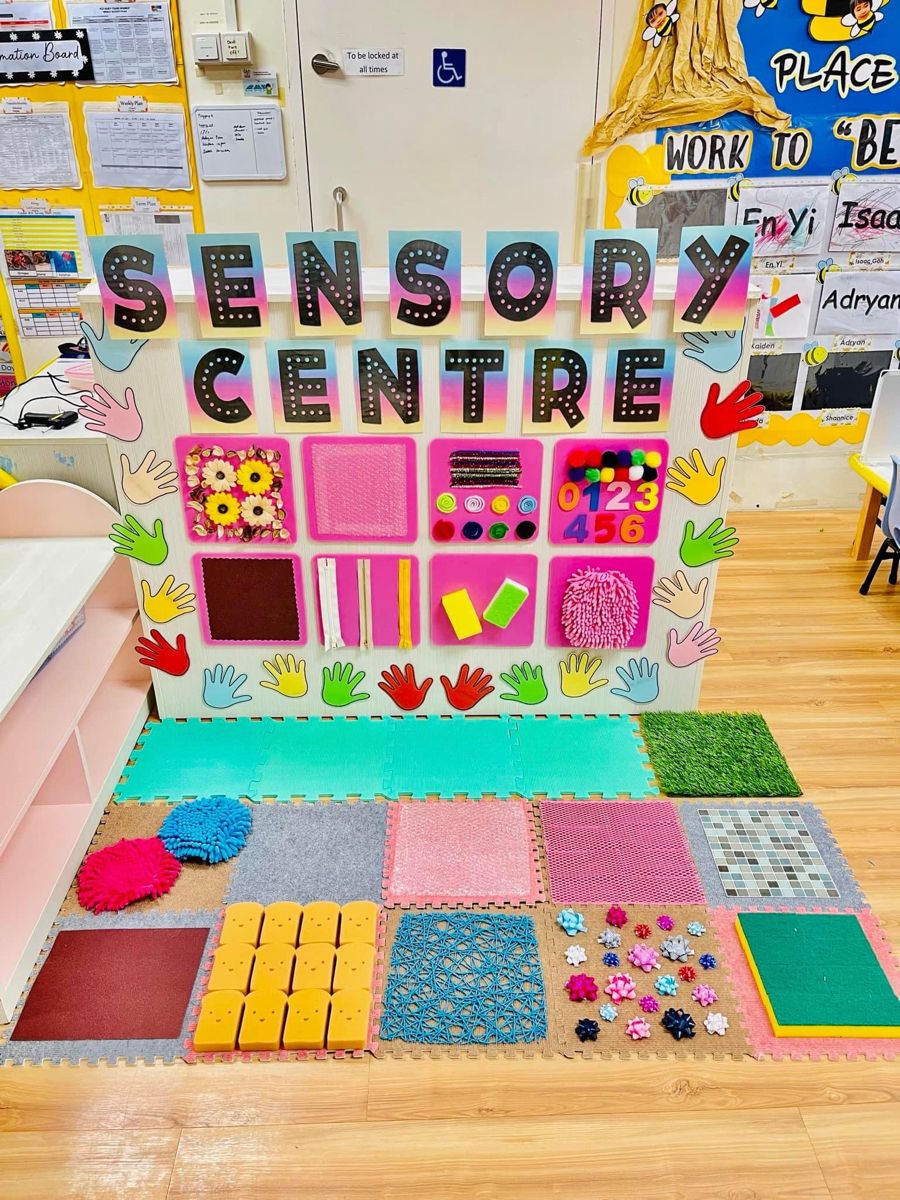
For many individuals with autism, the world is a cacophony of stimuli—flashing lights, distant hums, the texture of fabrics, the scent of unfamiliar spaces—each a potential trigger for overwhelm. Smart home technology acts as a conductor, orchestrating an environment where sensory input is not just managed, but curated. Imagine walking into a room where the moment your foot crosses the threshold, the ambient lighting dims to a soft, amber glow, the background noise of appliances fades into a distant murmur, and the air is infused with a subtle, calming fragrance. This is the power of adaptive environments, where technology doesn’t impose itself but instead dissolves into the background, becoming an invisible guardian of tranquility.
Consider the humble smart bulb, which can shift hues from the sterile white of fluorescent lighting to the warm embrace of sunset tones. For someone hypersensitive to visual stimuli, this isn’t merely a convenience—it’s a lifeline. The ability to control the spectrum of light in real time means that a home can mirror the emotional state of its occupant, offering a visual language that speaks directly to their nervous system. It’s as if the walls themselves are learning to listen, adjusting not just to commands, but to the unspoken needs of those who dwell within.
The Architecture of Autonomy
Independence is a cornerstone of dignity, yet for many with autism, the simplest tasks can feel like scaling a mountain. Smart home technology dismantles these invisible barriers, replacing them with ramps of automation that lead to newfound freedom. Picture a morning routine where the blinds rise at the exact moment the sun peeks through the curtains, the coffee maker begins its brew cycle without a single button pressed, and the thermostat adjusts to the ideal temperature before a foot touches the floor. These are not luxuries; they are the scaffolding of self-sufficiency.
Voice-activated assistants take this a step further, offering a conduit for interaction that doesn’t demand eye contact or social finesse. For those who struggle with verbal communication, the ability to command a home with a simple phrase—“Set the living room to cozy mode”—is nothing short of revolutionary. It’s a dialogue between human and machine that sidesteps the complexities of human interaction, allowing autonomy to flourish in its purest form. The home, in this sense, becomes a silent partner, ever-present and ever-attentive, yet never intrusive.
The Alchemy of Predictability
Uncertainty is the nemesis of comfort for many with autism. The world outside is fluid, chaotic, and often overwhelming, but a smart home can be a bastion of constancy. Through the use of routines and schedules, technology introduces a rhythm to the day that is both soothing and empowering. Smart plugs can automate the turning on and off of devices at set times, ensuring that the television, fan, or nightlight behaves predictably. Motion sensors can trigger lights to illuminate a path at night, eliminating the jarring transition from darkness to brightness that can disorient.
This predictability extends beyond the physical realm into the digital. Smart displays can present daily schedules in a visual format, allowing individuals to see their day laid out before them like a map. Alerts can be programmed to remind them of tasks, appointments, or even breaks, reducing the anxiety that comes with forgotten obligations. In this way, the home becomes a sanctuary of order, a place where the chaos of the external world is held at bay by the steady hand of technology.
The Embrace of Personalization
No two individuals with autism experience the world in the same way, and smart home technology reflects this diversity through its capacity for deep personalization. From the choice of colors and sounds to the timing of routines, every aspect of the environment can be tailored to the occupant’s preferences. Imagine a home that learns over time, recognizing patterns in behavior and adjusting accordingly. The smart thermostat doesn’t just react to temperature—it anticipates the need for warmth or coolness based on past behavior. The entertainment system curates playlists that align with the occupant’s mood, whether it’s the soothing tones of ambient music or the rhythmic pulse of instrumental tracks.

This level of customization is not just about convenience; it’s about respect. It signals that the occupant’s needs are not an afterthought but the driving force behind the design. The home becomes an extension of the self, a place where individuality is not just accommodated but celebrated. In a world that often demands conformity, this is a radical act of acceptance.
The Guardian of Safety
Safety is a primal concern for anyone responsible for the well-being of a loved one with autism. Smart home technology steps into this role with the vigilance of a sentinel. Smoke detectors can be linked to smart systems that not only sound an alarm but also send alerts to caregivers’ phones. Door sensors can notify when an exterior door is opened, preventing wandering. Water leak detectors can shut off the main valve automatically, averting potential disasters. These are not mere gadgets; they are lifelines that provide peace of mind.
For those who may struggle with communication during an emergency, smart home systems can be programmed to initiate contact with emergency services or trusted individuals. The ability to send a distress signal with the press of a button—or even through a voice command—can be the difference between a minor incident and a crisis. In this way, technology becomes a silent protector, ever-watchful and ever-ready to intervene.
The Future: A Home That Grows With You
The potential of smart home technology in supporting individuals with autism is not static; it evolves alongside advancements in artificial intelligence and machine learning. Future iterations may include systems that not only respond to commands but anticipate needs based on biometric data, such as heart rate or skin conductance. Homes could adjust lighting, temperature, and soundscapes in real time to match the occupant’s physiological state, creating an environment that is not just smart, but intuitively attuned.
Moreover, the integration of virtual reality and augmented reality could offer new dimensions of support. Imagine a smart home that projects calming visuals onto walls during moments of distress, or a system that guides an individual through daily tasks with gentle, visual cues. The boundaries of what is possible are constantly expanding, promising a future where technology and humanity merge seamlessly.
In this future, the home is not a static structure but a dynamic entity, alive with the capacity to learn, adapt, and nurture. It is a testament to the idea that technology, when wielded with intention and empathy, can be a force for profound good. For individuals with autism, smart homes offer more than convenience—they offer a lifeline to a world that is safer, more predictable, and ultimately, more welcoming.
The journey toward creating such environments is not without its challenges. Privacy concerns, the cost of technology, and the need for ongoing support and education are all critical considerations. Yet, as the adoption of smart home technology grows, so too does the understanding of its potential to transform lives. It is a reminder that innovation, at its heart, is about more than progress—it is about people. And for those who navigate the world with autism, smart homes offer a promise: that their environment can be as unique, as adaptable, and as deeply personal as they are.