Have you ever walked into a room only to feel like you’ve stumbled into a symphony of chaos—dishes clattering, voices buzzing, and that relentless hum of the refrigerator? Now, imagine that sensation magnified a hundredfold, every sound a jarring intrusion, every noise a potential assault on your senses. For individuals with autism, the world can often feel like this cacophonous storm, where even the most mundane sounds become overwhelming. What if there was a way to turn down the volume on the world, to create a sanctuary where sensory overload doesn’t stand a chance? Enter the realm of soundproofing—a silent guardian that could transform the way those with autism experience their environment.
Soundproofing isn’t just about blocking out noise; it’s about reclaiming peace, focus, and comfort in a world that often feels too loud. For someone with autism, sensory sensitivities can make everyday environments feel like a minefield of auditory triggers. The clatter of a keyboard, the echo of footsteps, or even the muffled chatter of a distant conversation can become unbearable. But what if the solution wasn’t just about enduring the noise but actively reshaping the space around you? What if you could design a room that bends sound to your will, where every decibel is under your control? The answer lies in understanding how sound interacts with our environment and leveraging soundproofing techniques to create a haven of tranquility.
The Symphony of Sensory Overload: Why Noise Feels Like an Avalanche
Imagine standing in the middle of a bustling café. The hiss of the espresso machine, the murmur of conversations, the clinking of cups—each sound a thread in a tangled web of noise. For neurotypical individuals, the brain can often filter out the irrelevant, focusing on what matters. But for someone with autism, the brain may struggle to prioritize, treating every sound as equally important. This isn’t just about annoyance; it’s about survival. The amygdala, the brain’s alarm system, can go into overdrive, triggering a fight-or-flight response to sounds that others barely notice.
Consider the hum of fluorescent lights, a sound so ubiquitous it’s often ignored. Yet, for some with autism, it’s a high-pitched drone that pierces the mind like a needle. Or the rustle of a plastic bag, a sound so sharp it can feel like a physical jolt. These aren’t minor inconveniences; they’re sensory landmines. Soundproofing offers a way to disarm them. By reducing the amplitude of these intrusive noises, soundproofing can lower the brain’s stress response, allowing for greater focus, relaxation, and even sleep. It’s not about eliminating sound entirely but about sculpting an environment where sound is a guest, not a tyrant.
From Echo Chambers to Sanctuaries: The Science of Soundproofing
Soundproofing isn’t magic—it’s physics. Sound travels in waves, and to stop it, you need to disrupt those waves. There are two primary strategies: absorption and decoupling. Absorption involves using materials that convert sound energy into heat, effectively swallowing the noise. Decoupling, on the other hand, involves separating surfaces so that vibrations can’t travel through them. Together, these techniques create a barrier between you and the relentless assault of sound.
Mass-loaded vinyl, acoustic foam, and resilient channels are the unsung heroes of soundproofing. Mass-loaded vinyl, a dense material, can be installed on walls or ceilings to block airborne noise. Acoustic foam, with its porous structure, traps sound waves, preventing them from bouncing around a room. Resilient channels decouple drywall from studs, breaking the path of vibrations. But soundproofing isn’t a one-size-fits-all endeavor. The effectiveness of these materials depends on the frequency of the noise you’re trying to block. Low-frequency sounds, like the rumble of a washing machine, require thicker barriers, while high-frequency sounds, like a ringing phone, can be tamed with lighter materials.
What if you could combine these techniques to create a space that’s not just soundproof but sonically tailored to your needs? Imagine a room where the walls absorb the harshness of a vacuum cleaner’s drone but allow the softness of a loved one’s voice to filter through. It’s not just about silence; it’s about harmony. And for someone with autism, that harmony can be life-changing.
The DIY Soundproofing Playbook: Practical Steps for a Quieter Life
You don’t need a degree in acoustics to soundproof a room. With a few tools and a bit of creativity, you can transform even the noisiest space into a sanctuary. Start with the low-hanging fruit: windows and doors. These are the weak points in any soundproofing strategy, the gateways through which noise sneaks in. Weatherstripping and door sweeps can seal gaps, while acoustic curtains can dampen the sound that slips through. For windows, consider adding a second layer of glass or using window inserts to create a buffer against the outside world.
Walls and ceilings are next. If you’re renting, acoustic panels or foam can be mounted without permanent damage. For a more robust solution, decoupling the drywall from the studs using resilient channels can significantly reduce noise transfer. Don’t forget the floor. Carpets and rugs can absorb impact noise, while underlayment can prevent vibrations from traveling through the structure. Even furniture can play a role. Heavy bookshelves filled with books can act as a sound barrier, while upholstered furniture can absorb echoes.
But what if you’re on a budget? Soundproofing doesn’t have to break the bank. Thick blankets, moving pads, and even egg cartons (though not as effective as dedicated acoustic foam) can provide a temporary solution. The key is to experiment, to find what works for your space and your needs. And remember, even small changes can make a big difference. A single acoustic panel on a wall can reduce echo by up to 50%, turning a reverberant room into a calm oasis.
Beyond the Walls: Soundproofing in a Noisy World
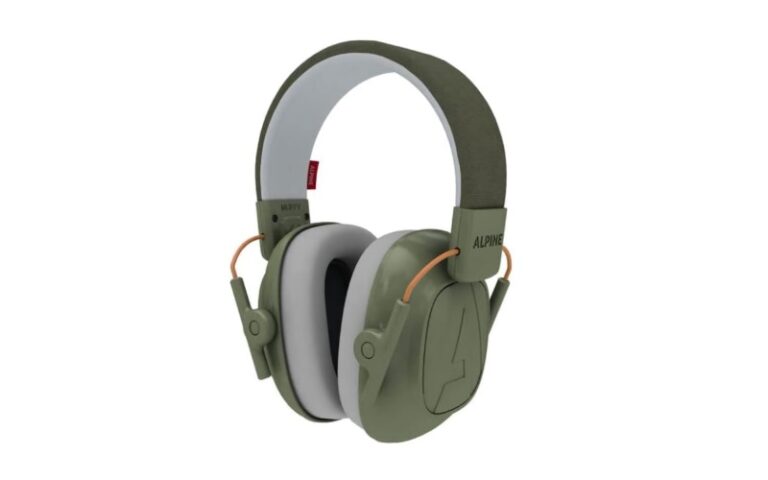
Soundproofing isn’t limited to four walls. For someone with autism, the world outside can be just as overwhelming. Noise-canceling headphones are a portable solution, using active noise control to neutralize ambient sounds. But what if you could extend that tranquility beyond your ears? White noise machines, for example, can mask disruptive sounds by creating a consistent, soothing background hum. Or consider a sensory tent—a portable, sound-dampened space where you can retreat when the world feels too loud.
Even in shared spaces, soundproofing can be a game-changer. A quiet corner in a classroom, a soundproofed booth in an office, or a designated sensory room at home can provide a respite from the chaos. The goal isn’t to create a hermetically sealed bubble but to carve out pockets of peace in an otherwise noisy world. And for someone with autism, those pockets can be lifelines.
The Unseen Benefits: More Than Just Silence
Soundproofing isn’t just about reducing noise; it’s about enhancing quality of life. Better sleep, improved focus, and reduced anxiety are just a few of the benefits. Imagine waking up without the jarring startle of a car alarm outside your window. Imagine being able to concentrate on a task without the distraction of a neighbor’s dog barking. Imagine feeling safe in your own space, where the world’s noise can’t intrude.
But the benefits extend beyond the individual. Families, caregivers, and educators can all play a role in creating soundproofed environments. A child with autism who struggles in a noisy classroom might thrive in a sound-dampened learning space. An adult who works from home might find their productivity soars in a quiet, controlled environment. Soundproofing isn’t just a luxury; it’s a tool for empowerment.
What if the key to unlocking someone’s potential lies in something as simple as turning down the volume? What if the path to greater independence, confidence, and well-being starts with a well-placed acoustic panel or a pair of noise-canceling headphones? The science is clear, the benefits are tangible, and the possibilities are endless. The world doesn’t have to be a symphony of chaos. With soundproofing, it can be a melody—one that plays softly, harmoniously, and on your terms.
The next time you find yourself overwhelmed by noise, ask yourself: What if you could change that? What if the solution was within reach, waiting to be discovered? For those with autism, soundproofing isn’t just an option; it’s a revolution—a quiet one, but a revolution nonetheless.