
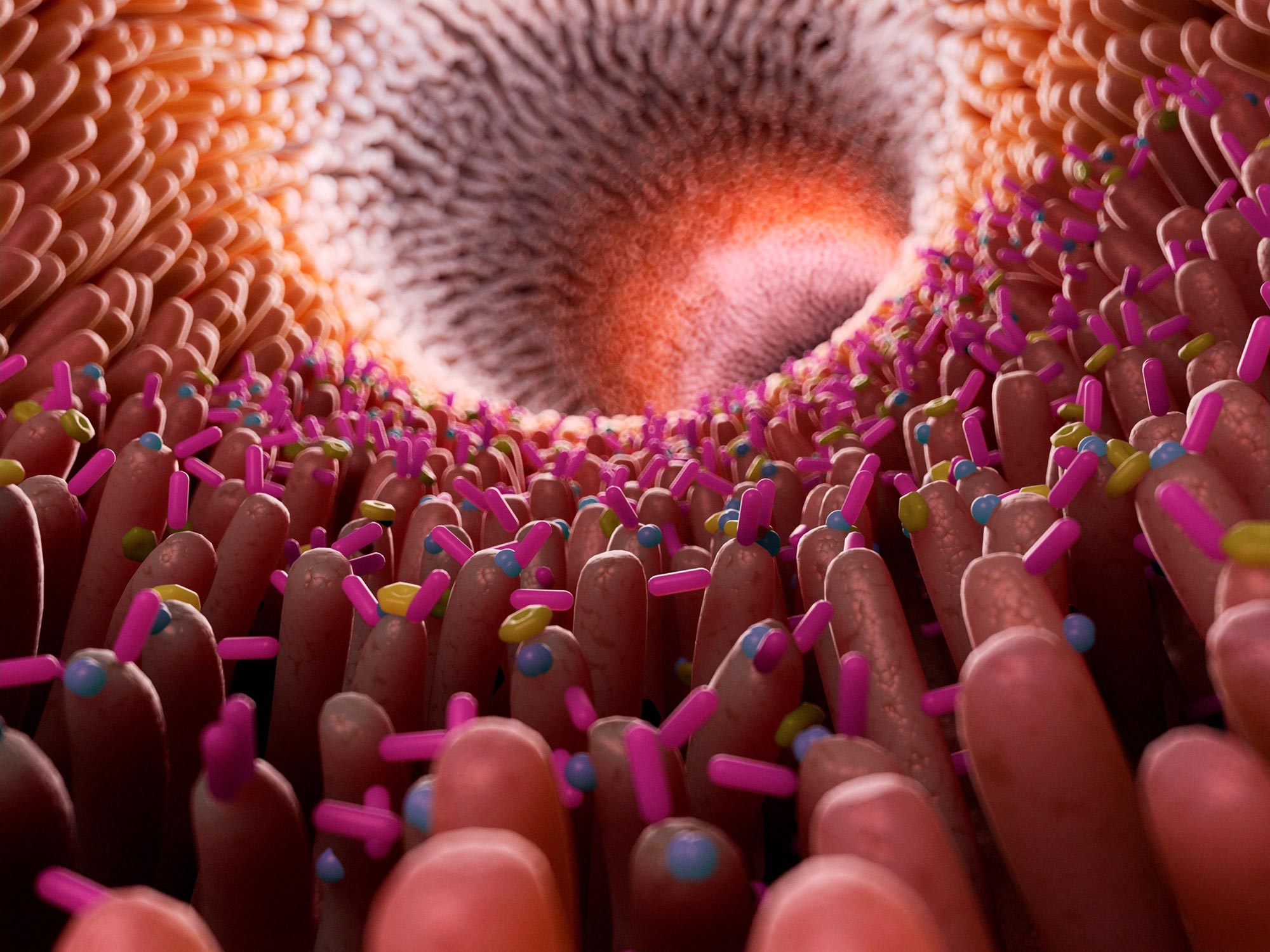
Have you ever wondered why your gut feels like a bustling metropolis of tiny, unseen citizens, each with its own agenda? What if I told you that these microscopic inhabitants might hold the key to understanding autism—a condition that has baffled scientists and families alike for decades? The emerging science of the microbiome is rewriting the narrative, suggesting that the trillions of bacteria residing in our intestines could play a pivotal role in shaping brain development and behavior. Could it be that the answers to autism’s mysteries lie not in the brain alone, but in the teeming ecosystems of our guts?
The connection between the microbiome and autism is not just a passing curiosity; it’s a frontier of research that challenges our conventional understanding of neurodevelopment. As we peel back the layers of this complex relationship, we uncover a world where bacteria might influence everything from social behavior to sensory sensitivities. But how exactly do these tiny organisms exert such a profound influence on the human mind? And what does this mean for the future of autism treatment and support?
The Microbiome: A Hidden Orchestra of Microbial Life
The human gut is home to a staggering diversity of microorganisms—bacteria, viruses, fungi, and archaea—that collectively form what scientists call the microbiome. This microbial universe is not a passive bystander; it’s an active participant in our health, influencing digestion, immunity, and even mood. Recent studies suggest that the microbiome may also play a role in neurodevelopmental disorders, including autism spectrum disorder (ASD).
Imagine the microbiome as a hidden orchestra, where each microbial species contributes a unique instrument to the symphony of human health. When this orchestra is out of tune—due to factors like antibiotics, poor diet, or stress—the harmony of the body and mind can falter. For individuals with autism, disruptions in this microbial harmony might contribute to some of the condition’s hallmark traits, such as gastrointestinal issues, sensory sensitivities, and social challenges.
Researchers have found that people with autism often have distinct microbial profiles compared to neurotypical individuals. These differences aren’t just random; they could be linked to the way gut bacteria interact with the immune system and produce metabolites that affect brain function. For instance, certain bacteria produce short-chain fatty acids (SCFAs) like butyrate, which have been shown to influence brain health and behavior. Could these microbial byproducts be the missing link in understanding autism’s complexities?
From Gut to Brain: The Vagus Nerve’s Secret Highway
The gut and brain are connected by a two-way communication superhighway known as the gut-brain axis. This network includes the vagus nerve, a wandering cranial nerve that transmits signals between the gut and the brain in a matter of milliseconds. When gut bacteria produce neurotransmitters like serotonin and gamma-aminobutyric acid (GABA), they can directly influence brain function and behavior.
For individuals with autism, this connection might explain why gastrointestinal issues—such as constipation, diarrhea, or food intolerances—are so common. A disrupted microbiome could lead to inflammation and an overactive immune response, which in turn might exacerbate behavioral symptoms. Some studies have even found that children with autism who undergo microbiome-based interventions, such as probiotics or dietary changes, show improvements in social interaction and reduced repetitive behaviors.
But here’s the twist: the gut-brain axis isn’t a one-way street. Just as gut bacteria can influence the brain, the brain can also shape the microbiome. Stress, anxiety, and sensory overload—common experiences for many with autism—can alter gut bacteria composition, creating a vicious cycle of discomfort and behavioral challenges. Breaking this cycle might require a holistic approach that addresses both the gut and the mind.
The Autism-Microbiome Puzzle: What We Know So Far
The evidence linking autism and the microbiome is still in its infancy, but the pieces are beginning to fit together. Animal studies have provided some of the most compelling insights. For example, researchers have transplanted gut bacteria from humans with autism into germ-free mice, resulting in offspring that exhibited autism-like behaviors. While these findings don’t prove causation, they suggest that the microbiome could be a contributing factor.
Human studies have also uncovered intriguing patterns. Children with autism often have lower levels of beneficial bacteria like Bifidobacterium and higher levels of potentially harmful bacteria like Clostridia. These imbalances might contribute to inflammation and immune dysregulation, which are increasingly recognized as key players in autism. Additionally, some researchers speculate that maternal microbiome health during pregnancy could influence fetal brain development, potentially predisposing a child to autism.
Yet, the microbiome-autism connection is not a simple story of cause and effect. Autism is a spectrum, and its origins are multifactorial, involving genetics, environment, and likely the microbiome. The challenge lies in untangling these threads to understand how microbial influences interact with other risk factors. Could the microbiome be the Rosetta Stone that unlocks the secrets of autism, or is it just one piece of a much larger puzzle?
Challenges and Ethical Considerations: Navigating the Microbiome Frontier
As exciting as these discoveries are, they come with significant challenges. One of the biggest hurdles is the sheer complexity of the microbiome. With trillions of bacteria, each with its own genetic code and metabolic pathways, pinpointing which microbes are beneficial—or harmful—in the context of autism is like finding a needle in a microbial haystack.
Another challenge is the lack of standardized protocols for microbiome-based interventions. Probiotics, fecal microbiota transplants (FMT), and dietary changes are all being explored as potential therapies, but their efficacy varies widely. Some individuals with autism may respond dramatically to these interventions, while others see little to no benefit. This variability underscores the need for personalized approaches that consider an individual’s unique microbial landscape.
Ethical considerations also loom large. If microbiome manipulation becomes a viable treatment for autism, how do we ensure that it’s used responsibly? Could these interventions inadvertently stigmatize individuals with autism by framing their differences as a problem to be fixed? And who gets to decide what a “healthy” microbiome looks like? These questions demand careful reflection as the field advances.
Looking Ahead: The Future of Microbiome-Based Therapies
The potential of microbiome research to transform autism treatment is undeniable. Imagine a future where a simple stool test could reveal a child’s microbial imbalances, guiding targeted interventions like probiotics, dietary adjustments, or even engineered bacteria designed to restore harmony to the gut. Clinical trials are already underway to test these possibilities, with early results showing promise in reducing gastrointestinal symptoms and improving behavior in some individuals with autism.
But the journey doesn’t end with the gut. Researchers are also exploring how microbiome-based therapies might complement existing treatments, such as behavioral therapy or medication. Could a balanced microbiome enhance the effectiveness of these interventions? Could it even reduce the need for pharmaceuticals by addressing root causes rather than symptoms? The answers are still unfolding, but the possibilities are tantalizing.
Of course, microbiome research is still in its early days, and many questions remain unanswered. How do we account for the vast diversity of human microbiomes? How do we ensure that interventions are safe and effective for all individuals on the autism spectrum? And perhaps most importantly, how do we balance the promise of scientific progress with the ethical imperative to respect neurodiversity?
The microbiome-autism connection is a reminder that the human body is a complex, interconnected system where every part plays a role in the whole. As we continue to unravel this intricate web, we may find that the answers to autism’s mysteries lie not in a single gene or brain region, but in the teeming, invisible world of our gut bacteria. And in that discovery, we might just find a new way to support individuals with autism—not by changing who they are, but by nurturing the hidden ecosystems that shape their lives.
So, the next time you feel a flutter in your gut, remember: it might just be whispering secrets to your brain. And those secrets could hold the key to understanding one of humanity’s most enigmatic conditions.












