Autism in Australia: Support Systems and Resources
In the vast expanse of Australia’s sun-drenched landscapes and bustling urban centers, a quiet revolution is unfolding—one that speaks to the evolving understanding of neurodiversity. Autism, a neurodevelopmental condition characterized by a spectrum of strengths and challenges, has long been shrouded in misconceptions and fragmented support. Yet, beneath the surface of policy documents and community initiatives lies a deeper narrative: one of resilience, innovation, and the relentless pursuit of inclusivity. For families navigating this terrain, the journey is often as much about unraveling societal barriers as it is about accessing the right resources. Australia, with its sprawling geography and diverse cultural fabric, presents both unique opportunities and daunting obstacles in the quest to provide meaningful support for autistic individuals and their loved ones.
The fascination with autism in Australia isn’t merely academic; it’s a reflection of a society grappling with its own identity in an era of rapid change. From the remote outback to the high-tech corridors of Sydney and Melbourne, the conversation around autism is as varied as the communities themselves. What binds these disparate voices together is a shared recognition that support systems must evolve to meet the needs of a population that has, for too long, been underserved. This article delves into the multifaceted landscape of autism support in Australia, exploring the pillars of assistance that have emerged, the gaps that persist, and the human stories that animate this critical discourse.
The National Framework: Policy and Progress
At the heart of Australia’s approach to autism support lies the National Disability Strategy, a sweeping policy framework designed to foster inclusion and accessibility across all facets of life. Enacted in 2011 and periodically updated, this strategy is the cornerstone upon which state and territory governments build their own initiatives. Yet, its implementation is a patchwork, with varying degrees of success depending on geographic and socioeconomic factors. The National Disability Insurance Scheme (NDIS), Australia’s flagship disability support program, has been a game-changer for many autistic individuals, offering tailored funding for therapies, assistive technologies, and community participation. However, the NDIS’s complexity often leaves families navigating a labyrinth of bureaucracy, where eligibility criteria and funding allocations can feel arbitrary.
Critics argue that the NDIS, while revolutionary in its intent, has inadvertently created a two-tiered system. Those with the resources to advocate fiercely for their needs often secure better outcomes, while marginalized communities—particularly in rural and remote areas—struggle to access the same level of support. The postcode lottery of autism services is a stark reminder that policy, no matter how well-intentioned, is only as effective as its execution. Meanwhile, the Autism CRC, a collaborative research hub, has been instrumental in bridging the gap between policy and practice, driving evidence-based interventions and fostering collaboration among academics, clinicians, and autistic individuals themselves.
Therapeutic Interventions: From Early Intervention to Adulthood
Early intervention remains the gold standard in autism support, with programs like Early Start Denver Model (ESDM) and Applied Behavior Analysis (ABA) gaining traction across the country. These therapies, rooted in developmental psychology and behavioral science, aim to harness the neuroplasticity of young minds, equipping children with the tools to navigate social interactions, communication, and sensory challenges. In cities like Melbourne and Brisbane, specialized clinics offer intensive, play-based interventions that blend clinical rigor with child-led exploration. Yet, the accessibility of these programs is uneven, with waiting lists stretching for years in some regions and nonexistent in others.
As autistic individuals transition into adolescence and adulthood, the landscape shifts dramatically. The focus narrows from developmental milestones to vocational training, mental health support, and independent living skills. Programs like Autism Spectrum Australia (Aspect)’s School to Work initiative have emerged to address this gap, partnering with employers to create inclusive workplaces. However, the unemployment rate for autistic adults remains stubbornly high—hovering around 30%—a statistic that underscores the systemic barriers to economic participation. The challenge lies not in a lack of talent or potential, but in a society that often fails to accommodate diverse cognitive styles. Sensory-friendly workspaces, flexible schedules, and clear communication protocols are still the exception rather than the norm.

Community and Peer Networks: The Power of Belonging
Beyond formal support systems, the role of community cannot be overstated. Australia’s autistic community is a vibrant tapestry of self-advocates, families, and allies, weaving together networks that provide both practical assistance and emotional solidarity. Organizations like Reframing Autism and Autistic-led Australia have redefined the conversation, centering the voices of autistic individuals in discussions about their own needs. These groups host workshops, social meetups, and online forums where experiences are shared, strategies are exchanged, and a sense of belonging is cultivated.
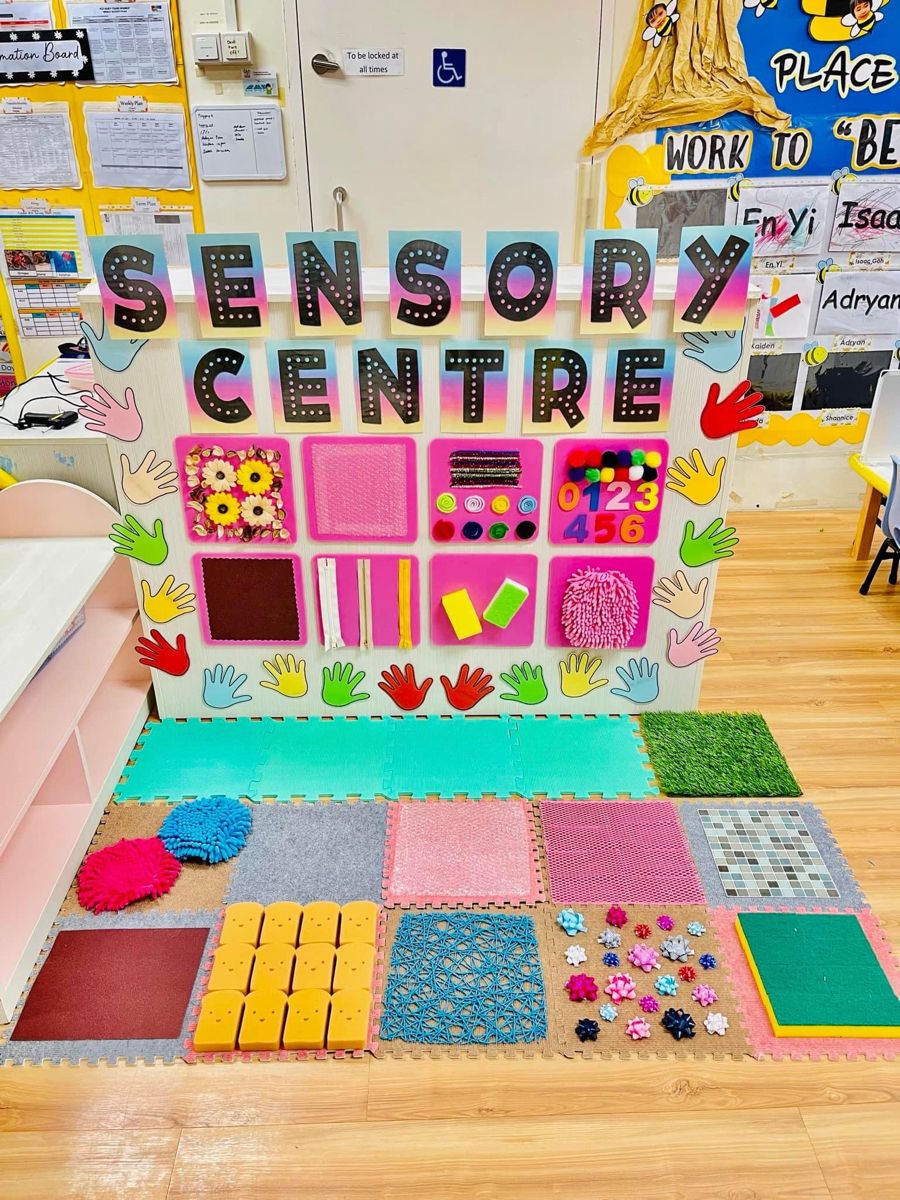
The rise of sensory-friendly spaces in museums, cinemas, and shopping centers reflects a growing recognition of the need for environments that cater to neurodivergent needs. Events like Autism Awareness Month and International Autism Day have become platforms for advocacy, challenging stereotypes and promoting acceptance. Yet, the work is far from over. Many autistic adults report feeling isolated, their needs overlooked in a society that prioritizes conformity. The challenge for communities is to move beyond awareness and toward genuine inclusion—where differences are not just tolerated but celebrated.
Technology and Innovation: Bridging Gaps in Accessibility
In an era defined by technological advancement, Australia’s autistic community is leveraging innovation to overcome longstanding barriers. Augmentative and Alternative Communication (AAC) devices, for instance, have revolutionized the lives of non-speaking autistic individuals, offering them a voice in a world that often dismisses their perspectives. Apps like Proloquo2Go and Avaz have become indispensable tools, enabling communication where traditional methods fall short. Meanwhile, virtual reality (VR) is being explored as a means to teach social skills in a controlled, immersive environment, free from the pressures of real-world interactions.
Telehealth has also emerged as a lifeline for families in remote areas, where access to specialized therapists is limited. Platforms like Healthdirect and MindSpot offer remote consultations, mental health support, and diagnostic evaluations, breaking down geographic barriers. Yet, the digital divide persists. Not all families have reliable internet access or the technical literacy to navigate these platforms, highlighting the need for inclusive design and ongoing support.
The Road Ahead: Challenges and Opportunities
The path to a more inclusive Australia is fraught with challenges, but it is also paved with opportunity. One of the most pressing issues is the shortage of trained professionals—psychologists, speech therapists, and occupational therapists—who specialize in autism. The demand far outstrips supply, leaving many families to cobble together support from piecemeal resources. Investment in training programs and incentives for professionals to work in underserved regions is critical.
Another frontier is the intersection of autism with other identities. Autistic individuals who are also Indigenous, LGBTQ+, or from culturally and linguistically diverse backgrounds face compounded barriers. Culturally responsive support systems must be developed, ensuring that services are not only accessible but also respectful of diverse cultural norms and values. The Autism in Indigenous Communities initiative, for example, seeks to bridge this gap by collaborating with Aboriginal and Torres Strait Islander communities to co-design culturally appropriate interventions.
Education remains a battleground. While inclusive schooling is a legal right, the reality is often one of overstretched teachers, inadequate resources, and a lack of understanding about autism. Programs like Positive Partnerships, funded by the Australian Government, aim to equip educators with the tools to support autistic students effectively. Yet, systemic change requires more than training—it demands a cultural shift in how society views neurodiversity.
The future of autism support in Australia hinges on collaboration. Governments, researchers, clinicians, autistic individuals, and families must work in tandem to dismantle silos and build cohesive systems. The National Autism Strategy, currently under development, offers a chance to align efforts and address gaps comprehensively. But it must be more than a document—it must be a living, breathing commitment to change.
For those navigating this landscape, the journey is often one of both frustration and hope. The challenges are real, but so too are the triumphs—the child who finds their voice, the adult who secures meaningful employment, the family that finds community in shared experiences. Australia’s story with autism is still being written, and it is a story that invites all of us to participate, to learn, and to advocate. In doing so, we not only support autistic individuals but enrich our society with their unique perspectives, talents, and contributions.