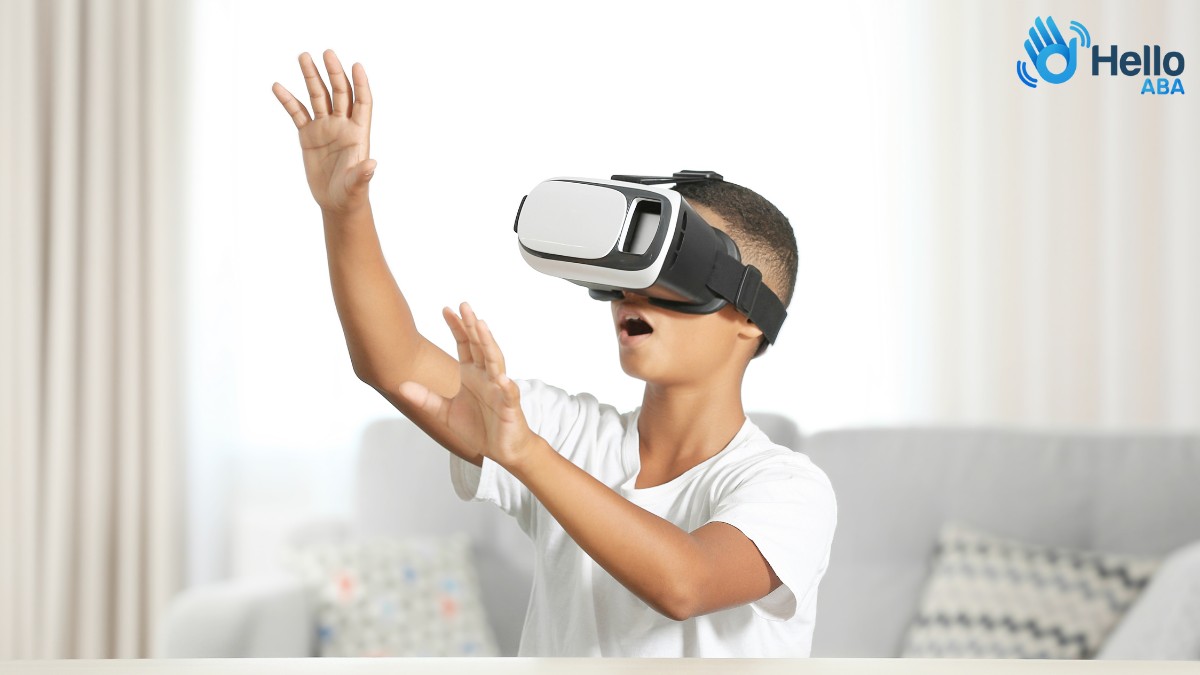
In the quiet hum of a therapist’s office, a child with autism sits before a headset, eyes wide with curiosity. The screen flickers to life—not with the sterile glow of a waiting room television, but with a vibrant, immersive world designed to meet them exactly where they are. This isn’t science fiction. It’s the frontier of autism therapy, where virtual reality (VR) is rewriting the rules of engagement, empathy, and progress. The promise of VR in this context isn’t just incremental improvement; it’s a seismic shift in how we approach neurodiversity, offering tools that are as adaptive as the minds they seek to nurture.
Autism spectrum disorder (ASD) presents a mosaic of challenges—social communication hurdles, sensory sensitivities, and repetitive behaviors—that traditional therapies often address through repetition, role-playing, or gradual exposure. Yet, these methods can feel abstract or intimidating to individuals who thrive in structured, predictable environments. Enter VR, a technology that dissolves the boundaries between imagination and reality, allowing users to practice social interactions, navigate sensory overload, and build confidence in a controlled, customizable space. The result? A therapy that doesn’t just teach skills but invites users to experience them.
The Alchemy of Immersion: How VR Transforms Therapy
At its core, VR is more than a gimmick—it’s a cognitive sandbox, a place where the rules of the physical world can be bent to suit the needs of the learner. For someone with autism, social scenarios that might provoke anxiety in real life—like ordering coffee or asking for help—can be rehearsed in VR without the pressure of real-world consequences. The headset becomes a shield and a stage, allowing users to stumble, correct, and refine their interactions in a loop of trial and error that feels safe yet profoundly real.
Consider the child who freezes when a stranger approaches. In VR, that stranger might be a friendly avatar programmed to pause, repeat phrases, or adjust their tone based on the user’s responses. The environment itself can be tailored: a bustling café might start with just one other patron, then gradually introduce more noise and movement as the user’s comfort grows. This scaffolded immersion ensures that challenges are met not with overwhelm, but with a sense of mastery. Studies have shown that VR can improve social cognition by up to 40% in some cases, particularly when combined with guided therapy sessions that reinforce learning.
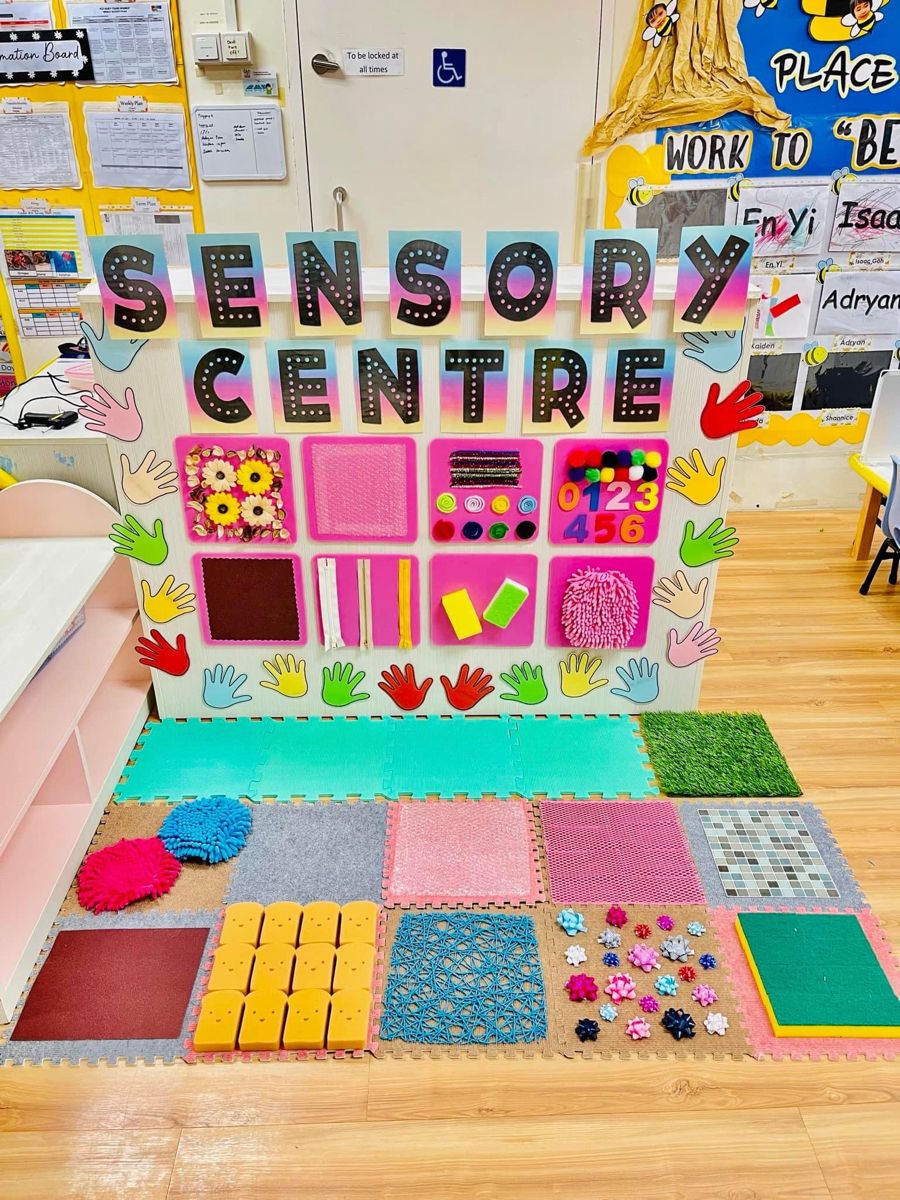
But VR’s magic extends beyond social skills. Sensory processing differences are a hallmark of autism, and VR can act as a neurodivergent-friendly simulator. Imagine a user who is overwhelmed by fluorescent lighting or the hum of a refrigerator. In VR, they can practice navigating these triggers in a virtual kitchen or office, learning to regulate their responses before facing them in reality. The technology’s ability to manipulate sensory inputs—adjusting brightness, sound levels, or even textures—makes it a uniquely flexible tool for desensitization and coping strategy development.

Beyond the Headset: The Ripple Effects of VR Therapy
The benefits of VR therapy aren’t confined to the screen. The skills cultivated in a virtual world often spill over into real-life interactions, creating a feedback loop of confidence and competence. A teenager who practices job interviews in VR might find themselves less anxious during an actual interview. A child who learns to identify emotions in a virtual classroom may start recognizing them in their peers’ faces during recess. This transfer of learning is where VR’s true power lies—not as a replacement for traditional therapy, but as a catalyst that accelerates progress.
Moreover, VR democratizes access to therapy. For those in remote areas or with limited mobility, virtual sessions eliminate geographical barriers. Therapists can design bespoke environments for each user, ensuring that interventions are as unique as the individuals receiving them. The technology also allows for data-driven insights—tracking eye movements, response times, and physiological markers like heart rate to tailor sessions in real time. This level of personalization was once the stuff of futuristic fantasy, but today, it’s a tangible reality.
Yet, VR isn’t a panacea. Its effectiveness hinges on thoughtful integration with human-led therapy. A VR headset can’t replace the nuanced guidance of a skilled therapist, nor can it account for the unpredictable variables of real-world interactions. The most successful applications of VR therapy involve a collaborative ecosystem, where clinicians, families, and users work together to set goals, monitor progress, and adjust strategies. The technology is a tool—but it’s the human touch that turns it into a transformative experience.
The Ethical Horizon: Navigating the Future of VR in Autism Therapy
As with any frontier, the path forward is fraught with questions. How do we ensure that VR environments remain inclusive, avoiding the pitfalls of oversimplification or stereotyping? How do we balance the allure of technology with the need for real-world application? And perhaps most critically, how do we prevent VR from becoming just another screen to escape into, rather than a bridge to greater connection?
Ethical considerations must guide the development of VR therapy. Developers and therapists alike must prioritize user agency—ensuring that users feel in control of their virtual experiences, with the ability to pause, reset, or modify scenarios as needed. There’s also the question of over-reliance. While VR can be a powerful supplement, it should never replace the richness of human interaction, the spontaneity of real-life social cues, or the unquantifiable value of face-to-face connection.
Another challenge lies in accessibility. High-quality VR systems can be expensive, and not all families or institutions have the resources to adopt them. This underscores the need for advocacy, research funding, and partnerships between tech developers and autism organizations to create affordable, scalable solutions. The goal isn’t to create a world where everyone uses VR, but to ensure that those who could benefit from it have the opportunity to do so.
From Skepticism to Wonder: The Human Stories Behind the Technology
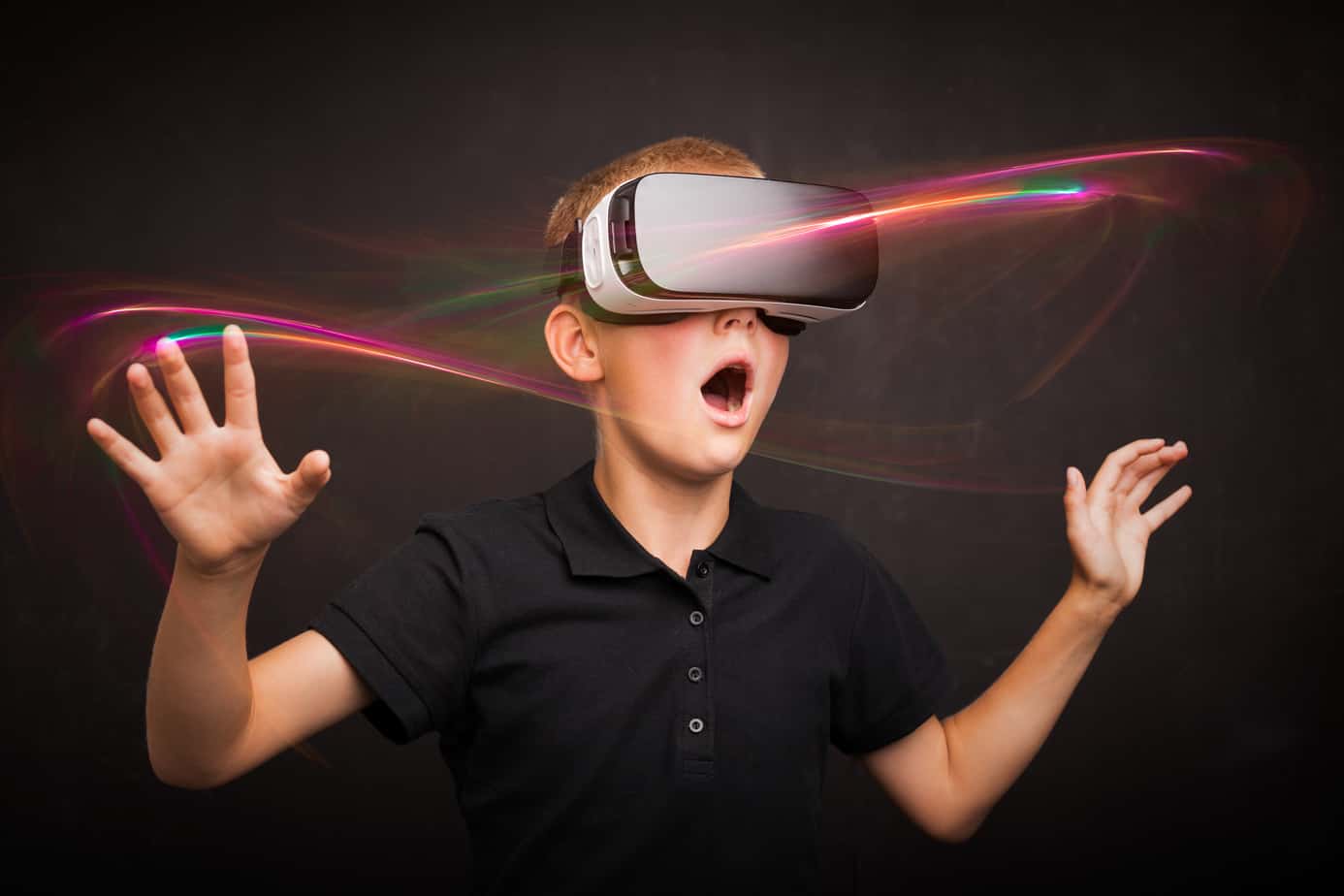
Behind every VR headset is a story. There’s the nonverbal teenager who, after months of silence, whispers a single word in a virtual café. The young adult who, for the first time, feels confident enough to attend a social gathering without bolting for the exit. The parent who watches their child navigate a virtual grocery store with a sense of pride they thought they’d never see. These aren’t just anecdotes—they’re testaments to the technology’s potential to redefine possibility.
VR therapy also offers something intangible yet invaluable: normalization. In a world where autism is often misunderstood or stigmatized, VR provides a space where differences are not just accommodated but celebrated. Avatars can be customized to reflect diverse abilities, and environments can be designed to minimize sensory triggers. For many users, this isn’t just therapy—it’s a revelation that they, too, belong in the world.
The journey of integrating VR into autism therapy is still in its infancy, but the early signs are undeniable. As the technology evolves, so too will our understanding of its capabilities. What begins as a tool for skill-building may one day become a gateway to deeper self-awareness, empathy, and connection. The question isn’t whether VR will change autism therapy—it’s how far we can take it.
The future of autism therapy isn’t a single destination; it’s a landscape of possibilities, and VR is the compass pointing us toward uncharted territories. For those willing to explore, the rewards could be life-changing—not just for individuals with autism, but for society as a whole. In a world that often struggles to see beyond the surface, VR offers a glimpse into the extraordinary within the ordinary. It’s not just about teaching skills. It’s about unlocking potential.