
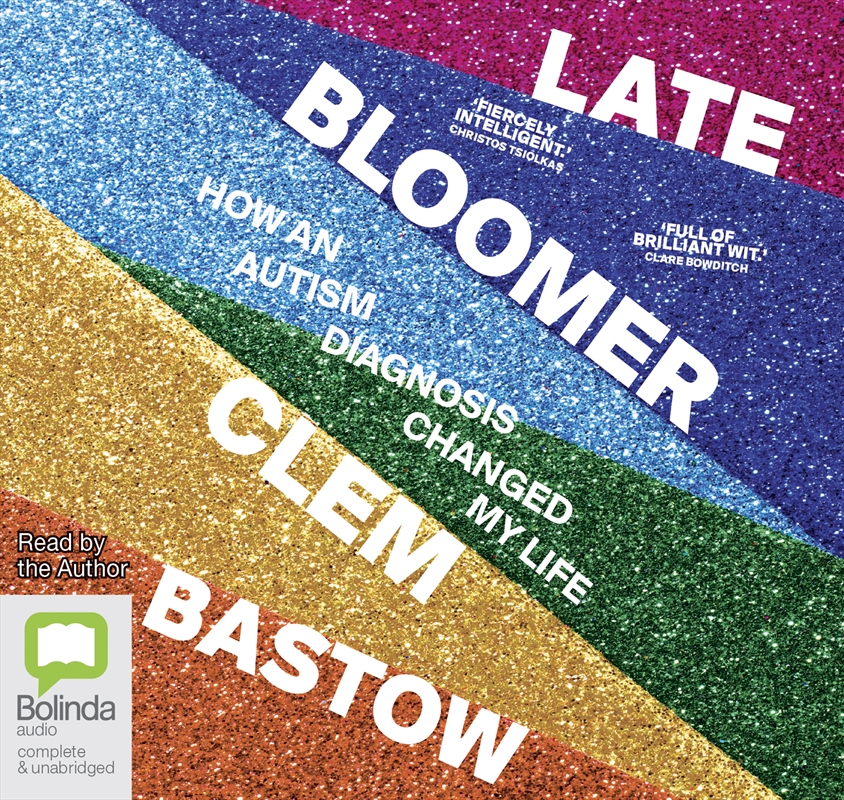
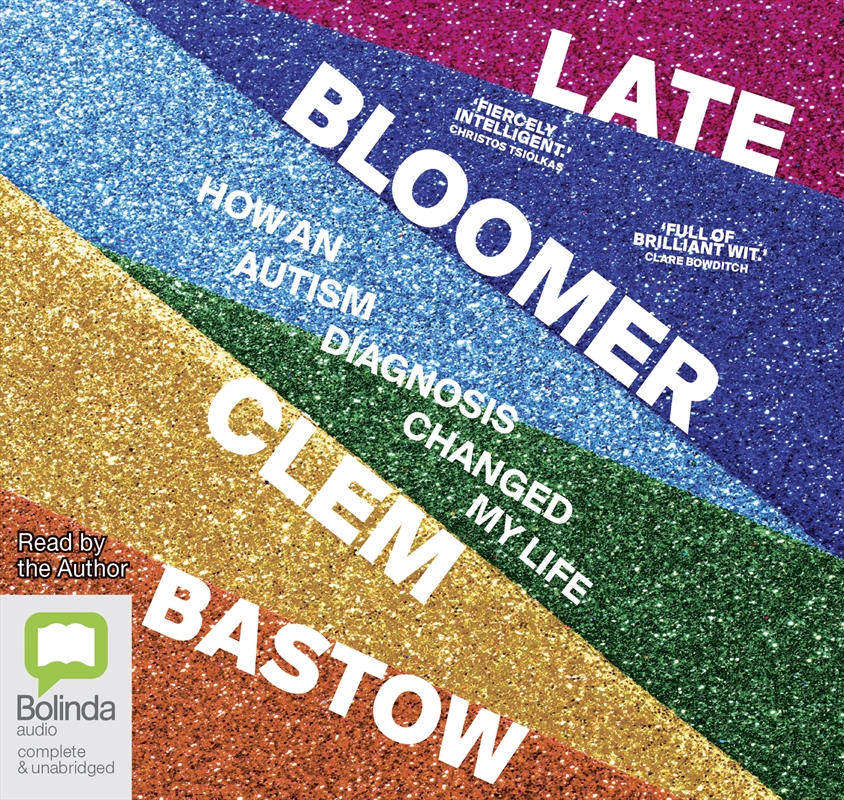
Have you ever wondered how it feels to unravel a truth about yourself decades after the world expects you to have already figured it out? Imagine living through years of subtle misunderstandings and silent struggles, only to discover a defining aspect of your identity far later than most. This is the enigmatic journey of a late autism diagnosis—an experience that challenges preconceived notions and opens new doors to self-understanding.
The Complex Landscape of Autism Diagnosis
Autism spectrum disorder (ASD) is typically identified in early childhood, yet many individuals remain undiagnosed until adulthood. This delay can stem from a myriad of factors: societal misconceptions, lack of awareness, and diagnostic tools historically centered on identifying autism in young boys. As a result, many adults, especially women and those with subtler symptoms, navigate life without the profound clarity that a diagnosis can provide.
For many, this belated revelation is not merely a clinical formality but a seismic shift in self-perception and life narrative. With diagnosis often comes a sudden reframing of past experiences—social anxieties, sensory sensitivities, and atypical communication patterns gain new meaning. Yet, this newfound insight heralds both empowerment and a unique set of challenges.

Unveiling Hidden Stories: Voices of Late-Diagnosed Adults
The stories of late-diagnosed autistic individuals are as diverse as the spectrum itself. Many recount a lifetime of feeling “different” without the language or framework to understand why. These narratives often emphasize resilience—the ability to adapt to social environments that weren’t designed with neurodiversity in mind.
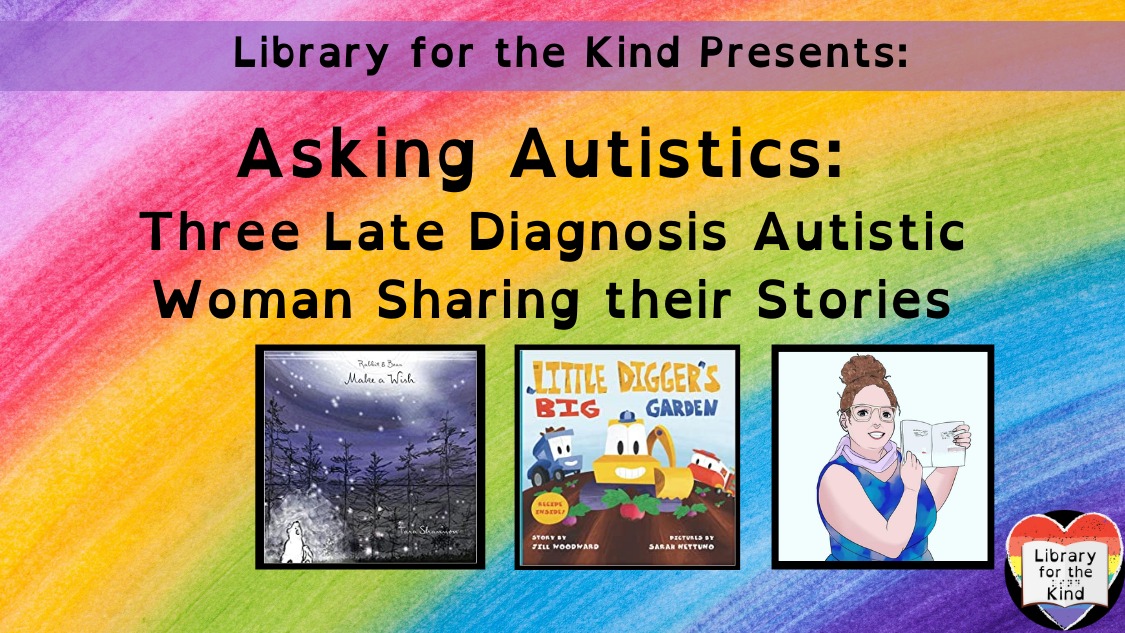
Three women, diagnosed in adulthood, shed light on the intricacies of living with an unseen difference. Each story underscores the intersection of societal expectations and personal identity. Their experiences reveal how late diagnosis can retroactively color past interactions and relationships with both warmth and melancholy. For some, diagnosis unlocks a sense of community and validation; for others, it inspires advocacy and self-acceptance.
Challenges Unique to Late Diagnosis
While a diagnosis provides clarity, it also introduces distinct challenges. Adults receiving their autism diagnosis often wrestle with feelings of loss—the years spent without support or understanding seem irrevocably gone. This postoperative introspection can induce a form of existential upheaval, as individuals reconcile their past selves with their present reality.
Additionally, late diagnosis often coincides with entrenched lifestyle patterns, careers, and relationships. Navigating accommodations, disclosing diagnosis to employers or partners, and integrating therapeutic strategies requires considerable courage and adaptability. The emotional labor involved in re-evaluating decades-old coping mechanisms is profound, underscoring a need for tailored support systems effective for adults.
The Transformative Power of Diagnosis
Despite the challenges, a late autism diagnosis can be extraordinarily liberating. It equips individuals with a coherent framework to reinterpret social dynamics and personal challenges. This revelation often sparks a renaissance of self-advocacy, allowing autistic adults to reclaim agency and prioritize their needs.
Furthermore, diagnosis can imbue a renewed sense of belonging. Accessing communities of neurodivergent peers mitigates the isolation many have endured. Knowledge becomes a catalyst for empowerment, fostering mental health improvements and enhanced quality of life. The ripple effects extend to families, educators, and workplaces, promoting greater inclusivity and understanding.
Looking Forward: Embracing Neurodiversity at Every Age
The evolving awareness of late autism diagnosis challenges outdated paradigms that confine neurodiversity to childhood. It underscores the necessity for flexible diagnostic criteria, specialized adult services, and lifelong learning about autism’s multifaceted presentations. Society is gradually shifting toward recognizing that self-discovery is a lifelong journey, enriched by empathy and open-mindedness.
By embracing the nuanced realities of late diagnosis, communities can foster environments where all individuals, regardless of when they receive their diagnosis, can thrive. The dialogue surrounding late autism diagnosis is not solely about medical classification but rather about humanity’s expanding understanding of diversity and acceptance.
Ultimately, the stories of late-diagnosed autistic adults invite us to reconsider our assumptions about identity and time. They inspire a compassionate perspective on the varied trajectories of human experience—a testament to the resilience and complexity inherent in every life.












