Have you ever wondered how the landscape of autism has transformed over the past few decades? What if the numbers telling us the story of autism prevalence reveal more than just an increase? Could they also highlight shifts in societal awareness, diagnostic practices, or even environmental influences? As we approach 2026, these questions grow more pertinent, intertwining the complexities of data with the human narratives behind them.
Understanding the Evolution of Autism Prevalence
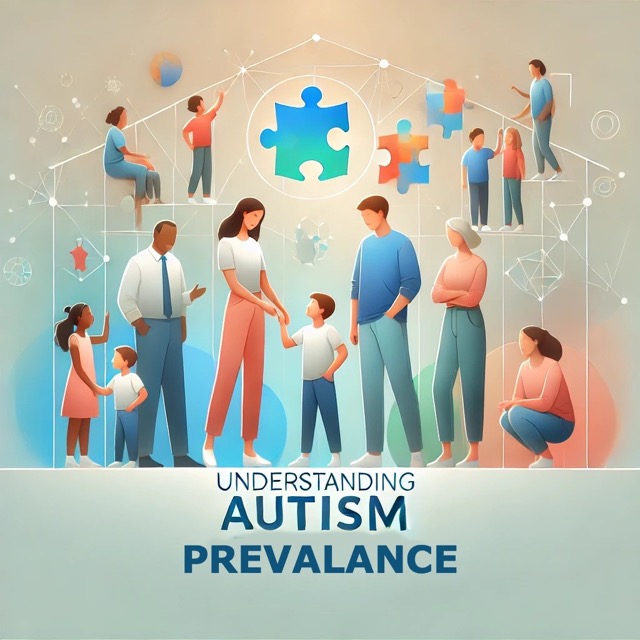
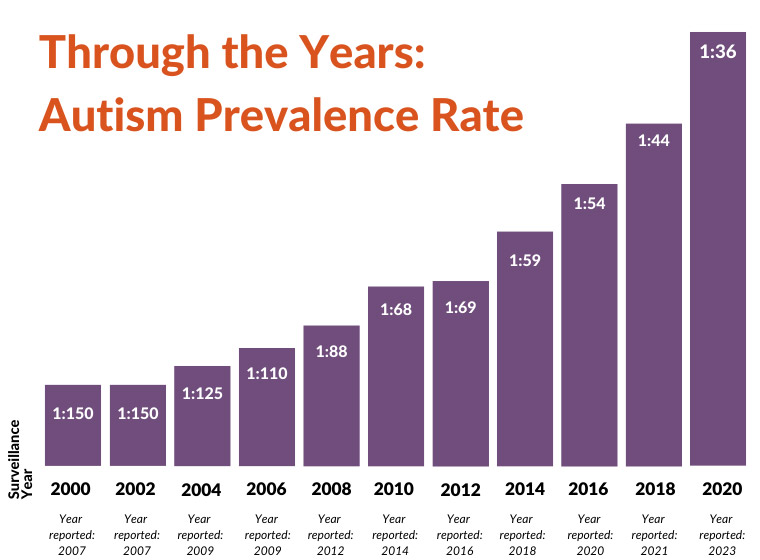
Examining the trajectory of autism prevalence requires more than just glancing at numbers; it demands an exploration of the multifaceted factors molding these figures. From the dawn of the 21st century, autism spectrum disorder (ASD) has steadily gained prominence in public health discourse. Early estimates placed prevalence at roughly 1 in 150 children; however, by 2026, this figure has shifted dramatically, converging closer to approximately 1 in 36 children in the United States. This escalation might suggest a burgeoning epidemic or, alternatively, reveal the evolving nuances in diagnostic criteria, increased community awareness, and improved identification protocols within educational and healthcare systems.
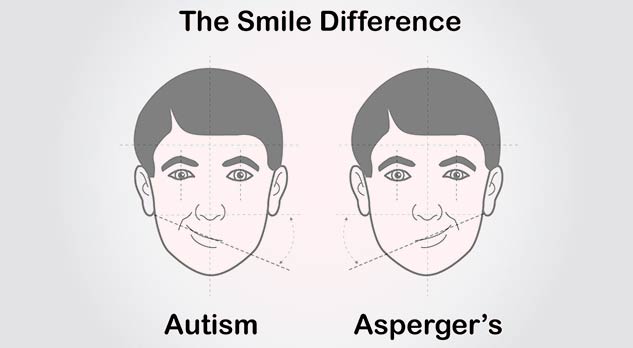
One cannot discount the subtle yet profound impact that broadened diagnostic parameters have played. The refinement from rigid categorizations of autism to the more inclusive spectrum approach has inevitably expanded the net, ensuring more individuals receive essential evaluations and interventions.
Societal Awareness: A Catalyst for Change
The rising prevalence rates also echo a crescendo in societal awareness and advocacy. The past two decades have witnessed monumental strides in public education, media representation, and policy reform. Campaigns targeted at demystifying autism and encouraging early screenings have permeated schools and pediatric practices, contributing to earlier and more frequent diagnoses.
Importantly, this heightened cognizance also challenges communities to rethink support systems and resources. Awareness has transformed from mere acknowledgment to proactive engagement, fostering inclusive environments that celebrate neurodiversity rather than marginalize it. Yet, such progress unearths a challenge — how to adequately scale resources to meet the growing demand for specialized services, including therapy, education, and lifelong support.
Demographic Disparities in Autism Diagnosis
Delving deeper into the statistics reveals significant demographic disparities. Historically, autism diagnosis rates have varied considerably across gender, ethnicity, and socioeconomic strata. Boys are diagnosed at a rate approximately four times higher than girls, although emerging research suggests girls may be underdiagnosed due to subtler symptom presentation and social masking behaviors.
Furthermore, minority populations and economically disadvantaged groups often face barriers to timely and accurate diagnoses. These disparities underscore systemic inequities in healthcare access and the urgent need for culturally competent diagnostic tools and outreach programs. Addressing these gaps is not merely a matter of equity but critical for harnessing the full potential of available interventions.
Environmental and Genetic Interplay
Beyond societal factors, the intricate dance between genetics and the environment remains a focal point in autism research. While genetic predisposition forms the backbone of susceptibility, an expanding body of evidence posits that prenatal and perinatal environmental exposures contribute to the likelihood of developing ASD.
Elements such as advanced parental age, prenatal infections, exposure to pollutants, and nutritional factors have been scrutinized for their potential roles. However, the interplay is seldom straightforward. Multifactorial influences, gene-environment interactions, and epigenetic modifications complicate the elucidation of definitive causes.
The complexity inherent in these dynamics serves as both a challenge and an impetus for innovative research methodologies, encouraging multidisciplinary collaborations that span genetics, epidemiology, neuroscience, and environmental health.
Implications for Policy and Future Directions
The crescendo of prevalence statistics approaching 2026 compels policymakers and public health officials to reassess existing frameworks. Increased numbers demand a proportional escalation in funding for education, specialized healthcare, and social services. Investments in early intervention programs have demonstrated efficacious outcomes, reducing long-term costs and enhancing quality of life for individuals on the spectrum.
Furthermore, the challenge extends to expanding training for educators, clinicians, and first responders to better serve autistic individuals. Technologies and assistive tools continue to evolve, offering promising avenues to support communication, social interaction, and independence.
Ultimately, a holistic approach emphasizing individualized care, community integration, and ongoing research will be pivotal in navigating the nuanced landscape sculpted by these emerging statistics.
Navigating the Future: A Collective Responsibility
As autism statistics ascend into uncharted territory, the narrative transcends mere numeric ascendancy. It beckons society to confront profound questions about inclusivity, resource allocation, and scientific inquiry. The rising prevalence is not an isolated phenomenon but an invitation to engage empathetically with the diverse experiences of individuals on the spectrum.
Embracing this challenge requires dismantling stigmas and fostering environments where neurodiverse individuals thrive. It demands vigilant refinement of diagnostic practices to capture the full breadth of autism manifestations. It also calls for a nuanced appreciation of the intricate factors fueling prevalence trends — a tapestry woven with genetics, environment, societal change, and human resilience.
In essence, the story of autism in 2026 is not solely one of statistics; it is a chronicle of progress, challenge, and unwavering commitment to understanding and support.