
Theater has always been a mirror held up to society, reflecting its joys, struggles, and unspoken truths. Yet, when the spotlight turns to autism, the stage transforms into something far more profound—a canvas where neurodivergent voices paint stories that challenge, captivate, and redefine our understanding of human expression. Autism in theater is not merely a narrative device; it is a revelation, an unfolding of perspectives that shatter the confines of conventional storytelling. The stage becomes a sanctuary where the rhythm of words dances to a different beat, where silence speaks volumes, and where the audience is invited to listen—not just with their ears, but with their souls.
In this realm, theater transcends its traditional boundaries, becoming a crucible of empathy, innovation, and raw authenticity. The plays and performances that emerge from this space are not just performances; they are odysseys into the labyrinth of the human mind, where every gesture, pause, and inflection carries the weight of lived experience. Here, autism is not a limitation but a lens—one that magnifies the beauty of difference and the universality of emotion. The theater, in turn, becomes a sanctuary where the unheard find their voice, and the unseen are seen in all their radiant complexity.
The Stage as a Sanctuary: Where Neurodivergent Voices Take Center Stage
Imagine stepping into a theater where the air hums with anticipation, not of applause, but of understanding. This is the sanctuary of neurodivergent theater—a space where the stage is not a platform for conformity but a stage for authenticity. Here, actors on the autism spectrum are not performers playing a role; they are artists embodying their truth, their struggles, and their triumphs in ways that resonate with visceral intensity.
The magic of this sanctuary lies in its rejection of the one-size-fits-all approach to performance. Traditional theater often demands a uniformity of expression, a polished delivery that adheres to societal expectations. But in neurodivergent theater, the irregularities become the rhythm. A stuttered line is not a flaw; it is a heartbeat. A sudden, unscripted movement is not a mistake; it is a burst of emotion too powerful to contain. The stage becomes a living organism, pulsing with the unpredictable cadence of real human experience.
Consider the way an autistic actor might interpret a character’s silence—not as emptiness, but as a void filled with untold stories. Their pauses are not gaps in dialogue; they are the spaces where the audience is forced to lean in, to fill the silence with their own interpretations. This is the power of neurodivergent theater: it does not just tell a story; it invites the audience to co-create it, to sit in the discomfort of not knowing, and to emerge with a deeper sense of connection.
The Alchemy of Inclusion: How Assisted Performances Break Down Barriers
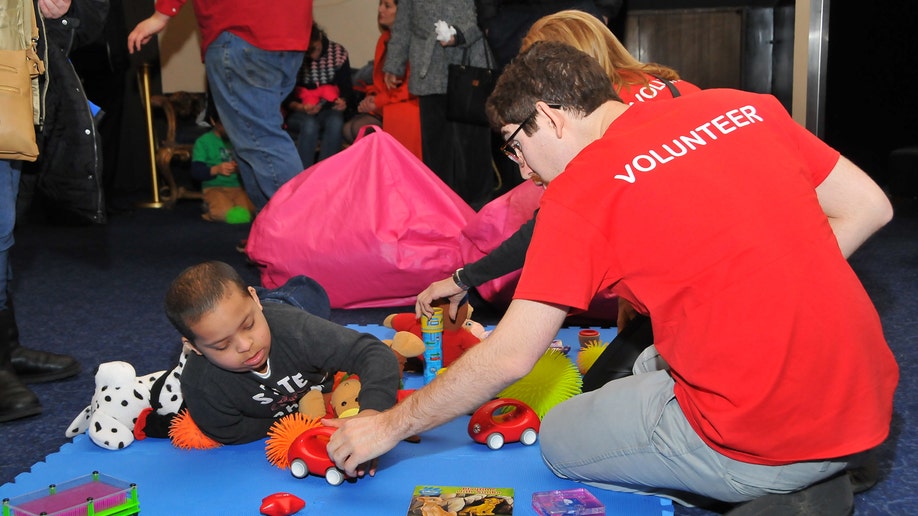
Inclusion in theater is not a gesture; it is an alchemical process—a transformation of raw materials into something extraordinary. Assisted performances, designed with neurodivergent audiences in mind, are the crucibles of this alchemy. These performances are not just adaptations; they are invitations—open arms extended to those who might otherwise find the theater an intimidating or overwhelming space.
The brilliance of assisted performances lies in their meticulous attention to detail. Theaters that embrace this model often provide sensory-friendly environments, where the usual cacophony of rustling programs and whispered critiques is replaced by a hushed, accommodating atmosphere. Lights may be dimmed but not extinguished, sound levels softened but not silenced, and the rigid structure of the performance loosened to allow for movement and sensory breaks. These adjustments are not concessions; they are acknowledgments of the diverse ways in which people experience the world.
But the true magic happens in the interaction between performer and audience. In a traditional theater, the fourth wall is an unbreakable barrier. In an assisted performance, it becomes a permeable membrane, allowing for a fluid exchange of energy. An autistic child might wander the aisles, drawn to the lights or the actors’ movements, and instead of being shushed, they are met with smiles and understanding. The performance adapts, not to the lowest common denominator, but to the highest potential of human connection.
This is where theater ceases to be a spectacle and becomes a communion. The audience is not a passive observer; they are an active participant in the unfolding narrative. The actors, too, are transformed. They are not just performers; they are guides, leading their audience through a landscape of emotion that is as unpredictable as it is profound. The result is a shared experience that lingers long after the final bow, a testament to the power of theater to bridge the gaps between us.
Plays That Resonate: Stories That Challenge and Captivate
The theater has always been a stage for the marginalized, the misunderstood, and the unseen. When autism takes center stage, the stories that emerge are not just narratives; they are seismic shifts in perspective, each one a revelation that challenges our preconceptions of what it means to be human.
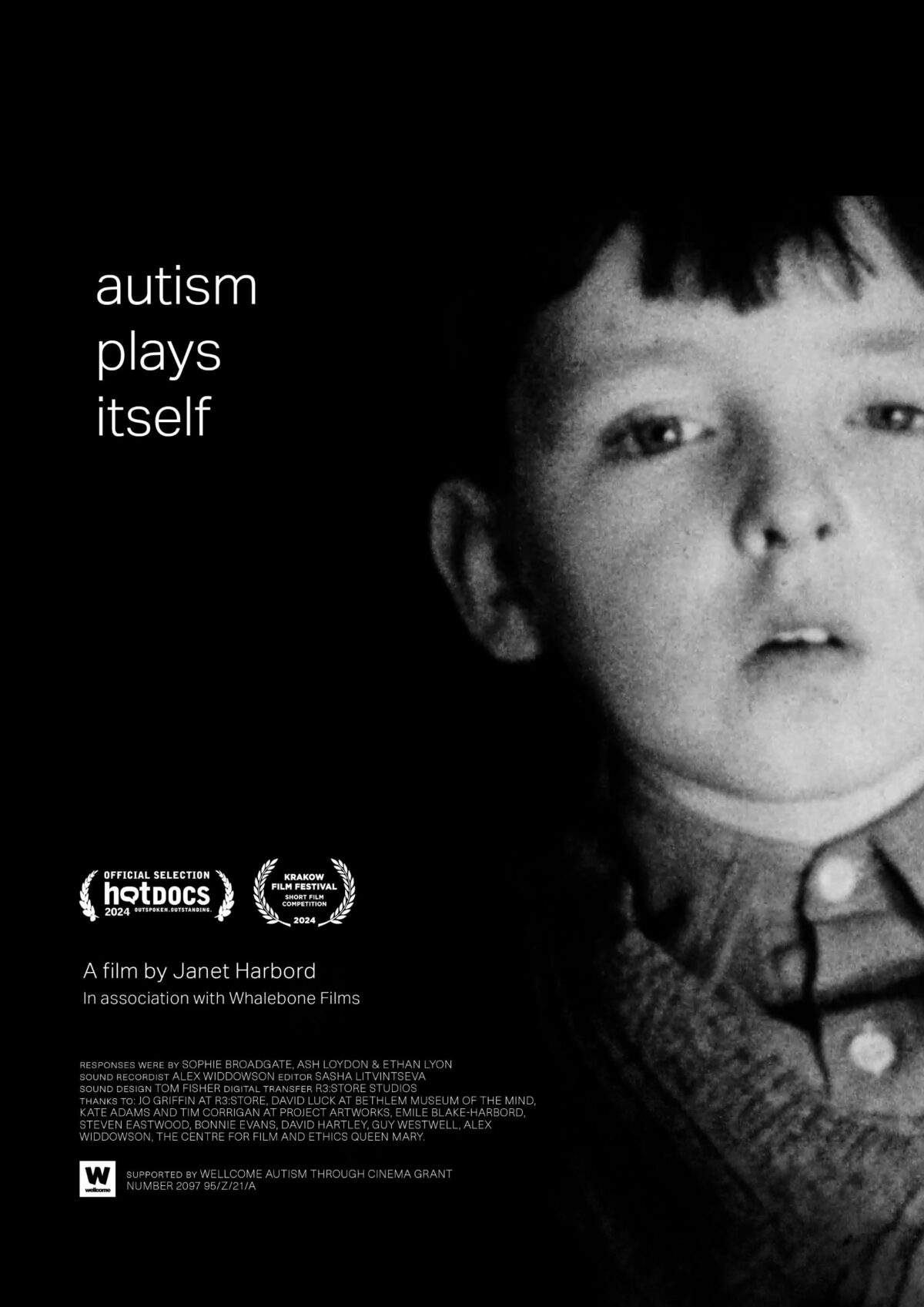
One such play is Autism Plays Itself, a production that does not just depict autism but embodies it. The performance is a symphony of sensory experiences, where the audience is immersed in a world where language is secondary to emotion. The actors move with a precision that borders on ritual, their gestures deliberate and meaningful, each one a brushstroke on the canvas of the human condition. The play does not seek to explain autism; it seeks to evoke it, to allow the audience to feel the world as an autistic person might—intensely, vividly, and without filter.
Another standout is The Curious Incident of the Dog in the Night-Time, a masterclass in blending neurodivergent and neurotypical perspectives. The play’s protagonist, Christopher Boone, is a young man with autism whose journey through a mystery becomes a metaphor for the broader human experience. His literal-mindedness, his struggles with social cues, and his extraordinary capacity for logic are not presented as obstacles but as strengths. The audience is invited to see the world through his eyes, to marvel at the beauty of his unique perspective, and to recognize the universal threads that bind us all.
These plays are not just stories; they are mirrors held up to society, reflecting back the biases and assumptions that often go unchallenged. They force us to confront the ways in which we categorize and compartmentalize human experience. In doing so, they do not just entertain; they enlighten, they provoke, and they inspire.
The Ripple Effect: How Neurodivergent Theater Transforms Society
The impact of neurodivergent theater extends far beyond the stage. It is a catalyst for change, a ripple that spreads outward to touch every corner of society. When theaters embrace neurodiversity, they send a powerful message: that art is not the exclusive domain of the neurotypical, that stories are not the property of the privileged, and that the stage is a space for all voices to be heard.
This ripple effect is most evident in the way it reshapes perceptions. Neurodivergent theater does not just depict autism; it dismantles stereotypes. It challenges the notion that autism is a monolith, a one-dimensional caricature of either tragedy or inspiration. Instead, it presents autism as a spectrum—a rich tapestry of experiences, each one unique and valuable. The audience leaves the theater not with a checklist of symptoms but with a deeper understanding of the human condition in all its complexity.
Moreover, neurodivergent theater fosters a culture of inclusion that extends beyond the performance itself. It encourages theaters to rethink their accessibility policies, to hire neurodivergent actors and crew members, and to create spaces where difference is not just tolerated but celebrated. This cultural shift is not just about theater; it is about society. It is a reminder that progress is not a destination but a continuous journey, one that requires us to constantly question our assumptions and to open our hearts to new ways of seeing the world.
The ripple effect also touches the artists themselves. For neurodivergent performers, the stage is not just a platform for expression; it is a sanctuary where they can be their authentic selves. It is a space where they are not asked to conform, where their differences are not just accepted but revered. This validation is transformative, empowering artists to create work that is bold, unapologetic, and deeply personal. It is a reminder that art is not just a mirror but a megaphone—a tool for amplifying voices that have for too long been silenced.
The Future of Neurodivergent Theater: A Canvas of Infinite Possibilities
The future of neurodivergent theater is not a fixed destination but an ever-expanding canvas, one that invites artists and audiences alike to explore the uncharted territories of human experience. As society becomes more aware of neurodiversity, the possibilities for theater become limitless. The stage is no longer a static platform but a dynamic space where innovation thrives, where the boundaries between performer and audience blur, and where the act of creation itself becomes a collaborative endeavor.
One of the most exciting frontiers is the integration of technology into neurodivergent theater. Virtual reality, augmented reality, and interactive performances offer new ways to immerse audiences in the sensory worlds of autistic characters. Imagine a play where the audience can experience the protagonist’s sensory overload through a 360-degree virtual environment, where the lights pulse in time with the actor’s heartbeat, and where the soundscape shifts in response to the viewer’s movements. This is not just theater; it is an odyssey into the mind, a journey that transcends the limitations of traditional storytelling.
Another frontier is the rise of neurodivergent-led theater companies. These companies are not just producing plays; they are redefining what theater can be. They are creating work that is raw, unfiltered, and deeply personal, work that challenges the conventions of narrative structure and performance style. They are also providing a platform for neurodivergent artists to take control of their own stories, to shape the narratives that define their experiences, and to challenge the stereotypes that have long confined them.
The future of neurodivergent theater is also a future of collaboration. It is a future where neurotypical and neurodivergent artists work side by side, each bringing their unique perspectives to the creative process. It is a future where the stage becomes a laboratory for experimentation, where the rules of theater are constantly rewritten, and where the audience is not just a passive observer but an active participant in the unfolding drama.
This is the promise of neurodivergent theater: a promise of a world where art is not just a reflection of society but a force for transformation. It is a promise of a stage where every voice is heard, every story is told, and every experience is valued. It is a promise of a future where the theater is not just a place to watch a performance but a space to feel, to connect, and to grow.
The curtain may rise and fall, but the story of neurodivergent theater is far from over. It is a story that is still being written, a symphony that is still being composed, and a journey that is still unfolding. And as long as there are stories to tell and voices to be heard, the stage will remain a sanctuary—a place where the unheard find their voice, and the unseen are seen in all their radiant complexity.












