Imagine traversing a labyrinth shrouded in fog—each turn revealing an unforeseen challenge, every step a test of resilience. For parents of children with autism, navigating the intricate world of emotional regulation often feels like this daunting journey. Emotions, those invisible currents that ripple through our daily lives, pose profound challenges when intertwined with the complexities of autism spectrum disorder (ASD). Yet, nestled within these challenges are opportunities for profound connection, growth, and understanding. This narrative explores the extraordinary landscape of emotional regulation in autism, illuminating strategies that empower parents to become steadfast guides through their child’s emotional maze.
The Enigmatic Terrain of Emotional Regulation in Autism
Emotional regulation, the ability to modulate one’s feelings and responses, is often disrupted in individuals with autism. Picture the emotional brain as a symphony orchestra—each instrument must play in harmony to produce a cohesive melody. In autism, this orchestration is frequently marked by discordant notes. Neurological differences can amplify sensory input, making emotional reactions more intense and harder to manage. The limbic system’s atypical wiring, coupled with challenges in executive functioning, often results in difficulty identifying, expressing, and controlling emotions.
Children with autism may experience rapid mood shifts or display intense emotional outbursts that, to outsiders, appear disproportionate. These manifestations are not signs of defiance but rather reflections of an internal struggle to process overwhelming stimuli. Understanding this enigmatic terrain is the first step toward compassionate and effective parenting.

Recognizing the Unique Emotional Language of Your Child
Every child’s emotional experience is akin to a unique dialect—a code requiring patience, empathy, and attentiveness to decode. Often, children with autism use nonverbal cues more than verbal expressions to communicate their emotional states. Subtle body language, repetitive behaviors, or sudden withdrawal might be their way of articulating distress or excitement.
Parents who master the art of emotional attunement learn to translate these signals into understanding. This nuanced communication reduces frustration and fosters a trusting relationship. Keeping a journal to note patterns in emotional responses, triggers, and calming techniques can become an invaluable translational tool, transforming uncertainty into insight.
Strategies to Foster Emotional Regulation: Building a Calm Harbor
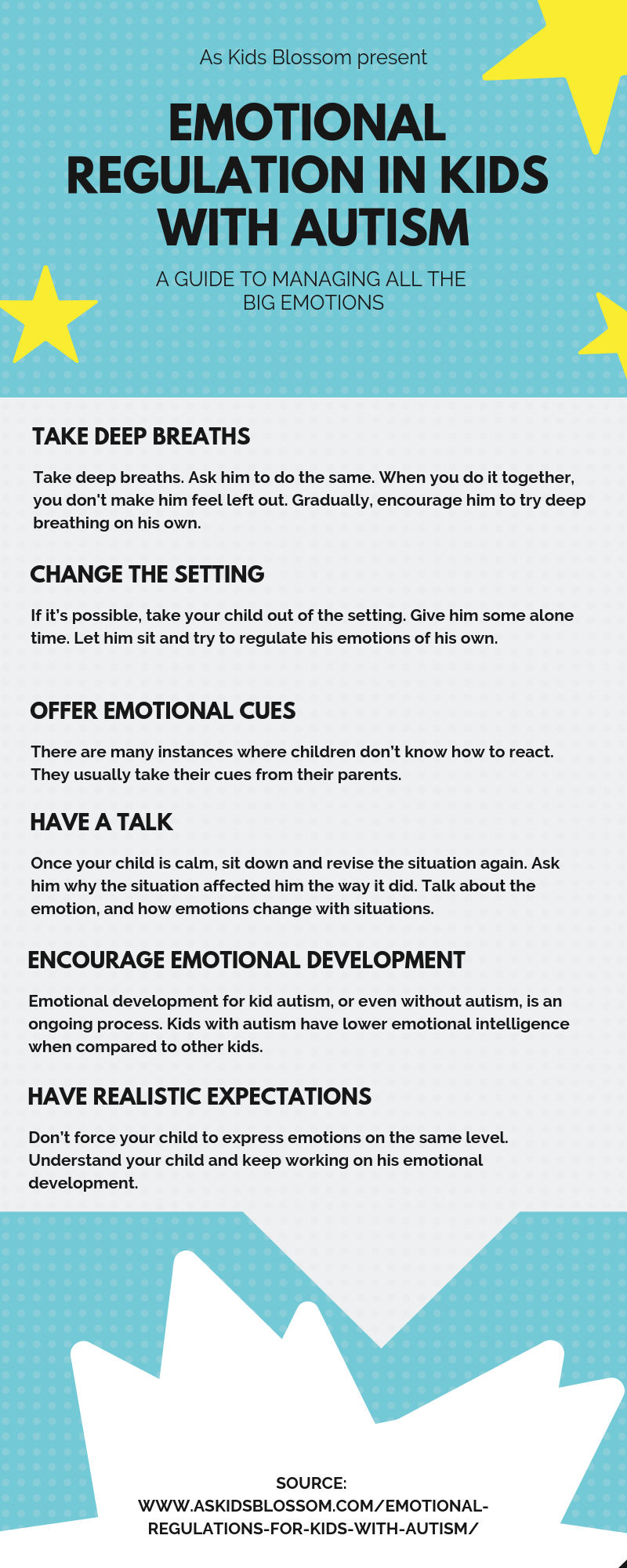
Guiding a child through emotional storms requires creating a safe, predictable environment—a calm harbor amidst turbulent seas. Establishing routines and clear expectations provides stability, which can mitigate anxiety and emotional overwhelm. Visual schedules and social stories help children anticipate change and understand emotional contexts.
Implementing sensory integration activities can further soothe hypersensitivity. Weighted blankets, noise-canceling headphones, or tactile toys serve as anchors that ground the child in moments of emotional upheaval. These tools act like a sailor’s steady hand, stabilizing the vessel during storms.
Mindfulness and breathing exercises adapted for children can also cultivate self-awareness and self-regulation skills. Simple practices such as blowing bubbles or using a pinwheel to mimic slow, deep breaths invite children to actively engage in calming their nervous system. Consistency is key—the more these exercises are embedded into daily life, the more accessible they become during episodes of heightened emotion.
Harnessing the Power of Emotional Coaching
Parents can become emotional coaches, gently guiding their children to recognize and label feelings, and to develop coping strategies. This approach reframes emotional challenges as teachable moments rather than behavioral deficiencies. Employing emotion-focused language—such as “I see you’re feeling upset because…”—validates the child’s experience and nurtures emotional intelligence.
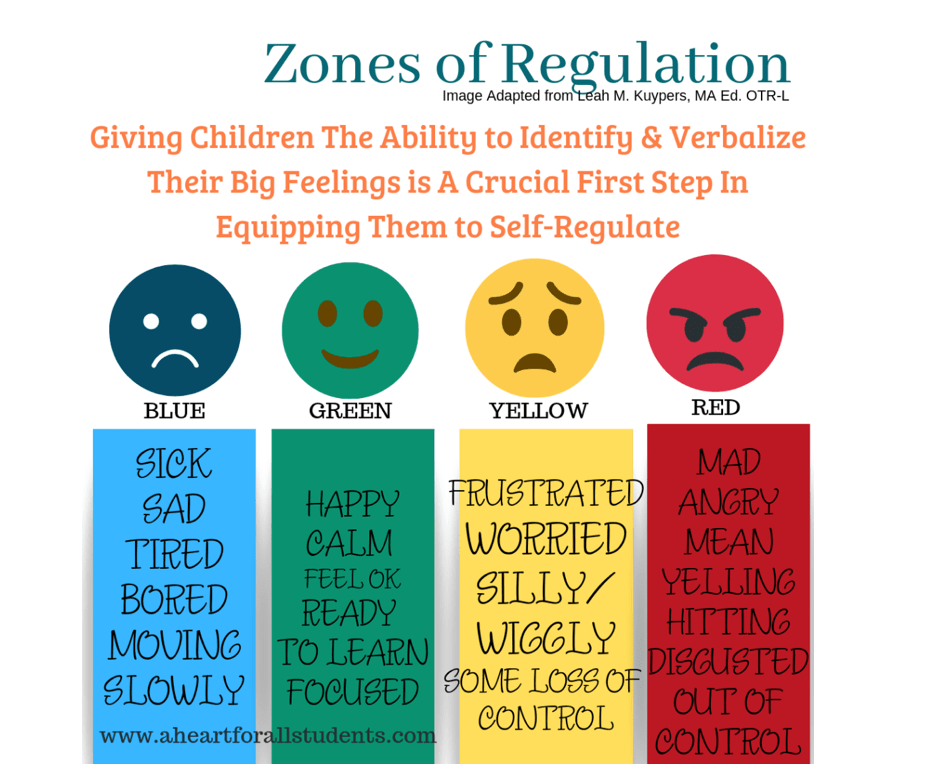
Role-playing scenarios and using visual aids like emotion cards or color-coded zones help children concretize abstract feelings. For instance, the “Zones of Regulation” framework categorizes emotions into manageable segments, empowering children to self-identify their state and select appropriate responses. Over time, this scaffolding builds independence and resilience.
Collaborative Support: Leveraging External Resources
Emotional regulation challenges often call for a village of support. Collaborating with therapists, educators, and healthcare providers ensures a cohesive approach tailored to the child’s unique profile. Applied Behavior Analysis (ABA), occupational therapy, and speech therapy can all play pivotal roles in fostering emotional and communicative competencies.
Participation in support groups for parents creates a sanctuary of shared experiences and practical advice, alleviating isolation and enhancing coping strategies. Education about neurodiversity broadens perspectives, encouraging parents to celebrate their child’s individuality rather than focusing solely on obstacles.
Patience as the Compass: Navigating Setbacks and Celebrating Triumphs
Emotional regulation development is seldom linear. Parents must wield patience as their compass, navigating setbacks without losing sight of progress. Each small victory—a moment of calming down independently, a first verbal expression of frustration—is a beacon of hope illuminating the path forward.
Remember that emotional growth is not the absence of difficulty but the mastery of resilience amidst it. Encouraging perseverance, celebrating effort, and modeling emotional honesty contribute to an environment where children feel safe to explore and express their inner world without fear.
In the vast expanse of emotional challenges faced by children with autism, parents are the steadfast captains steering their families towards calmer waters. The journey is complex and often exhausting, yet punctuated with moments of profound growth and connection. By embracing the labyrinth with empathy, strategies, and unwavering patience, parents illuminate their children’s path toward emotional mastery, enabling them to flourish with authenticity and joy.