Have you ever wondered why autism often feels like a puzzle with missing pieces, especially when trying to understand its manifestation in boys versus girls? This question isn’t merely academic; it represents a profound challenge in diagnosis, treatment, and societal recognition. Autism Spectrum Disorder (ASD), while universally recognized, reveals itself in complex and varied ways across genders, often leading to overlooked diagnoses in girls and potentially delayed interventions. Diving into the nuances of how autism presents differently in boys and girls exposes a multifaceted reality shaped by biology, psychology, and social constructs.
Biological Underpinnings and Neurological Divergence
At the foundation of these gender-based disparities lies the intricate interplay of neurobiology and genetics. Boys are statistically diagnosed with autism more frequently than girls, which prompts inquiries into whether biological differences account for variance in symptom expression. Research indicates that male brains with autism may show different connectivity patterns compared to female brains, influencing how symptoms manifest. For instance, boys with ASD often exhibit more overt repetitive behaviors and pronounced communication challenges, whereas girls might demonstrate subtler social deficits.
The influence of sex hormones such as testosterone and estrogen has been implicated in shaping neurological development, potentially contributing to divergent presentations. Estrogen, in particular, is hypothesized to have a neuroprotective effect, possibly mitigating some autistic traits in girls or concealing them behind more socially normative behaviors. This biological veil can make autism less conspicuous in female individuals, complicating diagnostic clarity.

Behavioral Phenotypes: Divergence in Social Interaction and Communication
One of the cardinal features of autism is difficulty with social interaction. However, the way these difficulties surface can starkly contrast between boys and girls. Boys with autism tend to manifest pronounced challenges; they might avoid eye contact, display limited interest in peer relationships, or engage in repetitive, self-stimulatory behaviors that are overt and recognizable. Conversely, girls often employ more subtle social compensations, skillfully camouflaging their difficulties through mimicry and strategic social behaviors.
This phenomenon, sometimes described as “social masking,” enables girls to navigate social landscapes in seemingly typical ways, often adopting scripted conversation tactics or mimicking peers’ emotional expressions. Paradoxically, this adaptive behavior can lead to profound internal stress, exhaustion, and an increased risk of co-occurring conditions such as anxiety and depression. Consequently, girls with autism might be misdiagnosed or remain undiagnosed, their challenges obscured by these compensatory strategies.
Restricted Interests: Constructive vs. Concealed Patterns
Restricted and repetitive interests are hallmark traits of ASD, yet their presentation varies along gender lines. Boys often engage in highly systematized, explicit interests—think trains, numbers, or technology. These passions are easily observed and recognized by caregivers and clinicians alike. In contrast, girls’ interests might gravitate toward socially conventional domains such as animals, literature, or celebrities, seamlessly blending into gender-typical play.
Though equally intense, these interests can be misinterpreted as normative, resulting in overlooked autistic traits. The subtlety with which girls express restricted interests highlights a crucial diagnostic challenge: distinguishing socially normative enthusiasm from clinically significant preoccupations. The covert nature of girls’ restricted interests necessitates nuanced clinical acumen to identify autistic traits that are often cloaked within socially sanctioned activities.

Emotional Regulation and Co-occurring Conditions
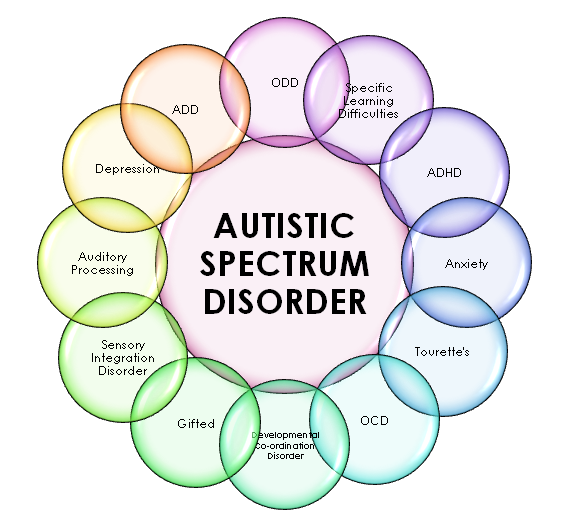
Emotional dysregulation is a substantial component of autism, but it presents with divergent shades depending on gender. Boys with ASD might display more externalizing behaviors such as aggression, hyperactivity, or tantrums, which can sometimes overshadow core autistic symptoms. Girls often internalize their emotional turmoil, leading to manifestations such as anxiety, depression, and somatic complaints.
This internalizing pattern has grave implications. The emotional anguish experienced by girls with autism frequently remains unaddressed, feeding a cycle of misunderstanding and insufficient support. Moreover, high rates of co-occurring mood disorders in autistic girls complicate clinical pictures, making differential diagnoses more challenging. Such complexity underscores the need for gender-sensitive approaches in psychological evaluation and intervention.
Challenges in Diagnosis and the Consequences of Gender Bias
Perhaps one of the most critical concerns is the lag in diagnosis for girls compared to boys. Traditional diagnostic criteria, historically based on studies predominated by male subjects, often fail to capture the female autism phenotype comprehensively. This male-centric diagnostic paradigm inadvertently fosters a systemic gender bias, where girls’ symptoms are minimized or misattributed to other developmental or psychiatric disorders.
Delayed or missed diagnosis places girls at a disadvantage regarding early intervention services and tailored therapies essential for fostering adaptive skills. Furthermore, the social expectation for girls to be more socially adept can mask autistic traits, leading to higher rates of misdiagnosis with conditions such as borderline personality disorder or eating disorders. Addressing this gap demands a recalibration of diagnostic frameworks to encompass the diverse presentations of autism across genders.

The Intersection of Gender Identity and Autism
Emerging research reveals a notable intersection between gender diversity and autism, with an increased prevalence of autistic traits reported among transgender and non-binary individuals. This intersectionality adds yet another dimension to understanding how autism presents and is experienced. Navigating identity within a societal framework that often marginalizes both neurodiversity and gender diversity presents unique challenges and necessitates nuanced clinical sensitivity.
Acknowledging this complex interplay invites deeper inquiry into how gender identity modulates autistic experiences, symptom expression, and therapeutic needs. It also underscores the importance of inclusive diagnostic criteria and support systems that honor both aspects of an individual’s identity.
In conclusion, deciphering the differing presentations of autism in boys versus girls exposes a tapestry interwoven with biological nuances, behavioral subtleties, and societal expectations. Recognizing that the traditional lens of autism diagnosis may obscure many girls’ experiences is pivotal for evolving clinical practice and fostering early, effective support. As awareness expands, so does the possibility for more equitable and precise identification, allowing all individuals on the spectrum to receive the understanding and resources they deserve. The challenge moving forward is to piece together this complex puzzle with empathy, insight, and scientific rigor, ensuring no one remains unseen.