Communication is often likened to a river—ever-flowing, connecting lives in a continuous stream of understanding and emotion. For parents of nonverbal children, however, this river can sometimes feel dammed, its currents stifled, leaving a longing to bridge the silent gulf. Yet, beneath the surface lies a reservoir of untapped communication, waiting to be discovered and nurtured. Improving communication with a nonverbal child requires patience, ingenuity, and a willingness to explore unconventional pathways that transform silence into connection and meaning.
Understanding the Language Beyond Words
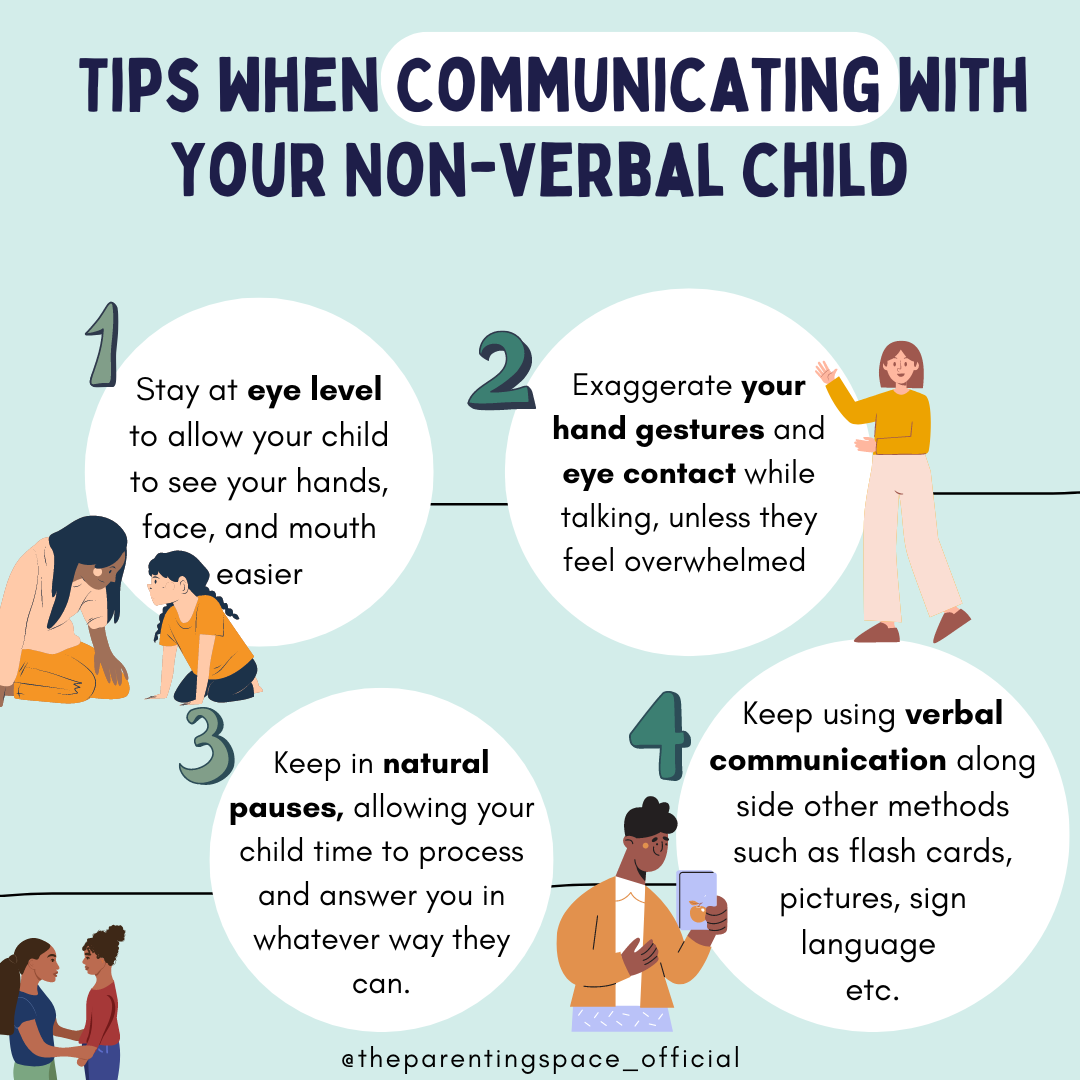
Speech is just one tributary in the vast river of communication. Nonverbal children often navigate using currents of gestures, expressions, and behaviors that speak volumes when truly understood. The challenge is to attune oneself to these subtle signals. Their smiles, eye gazes, and body movements form a complex symphony of non-verbal cues that, when interpreted thoughtfully, become the foundation for meaningful interaction.
Patience is paramount. A child who cannot verbalize thoughts still communicates through a language built on trust and familiarity. Observing their unique patterns—what excites them, what unsettles them—opens a window into their internal world. It is in this attentive observation that dialogue begins, untethered from the confines of spoken language.
Harnessing the Power of Visual Supports
Visual aids act as beacons, illuminating the path for children who struggle to express themselves verbally. These tools transform abstract concepts into concrete, graspable images that children can manipulate and reference. Tools such as communication cards, symbol boards, and pictorial schedules empower children to initiate interactions, reducing frustration while fostering autonomy.
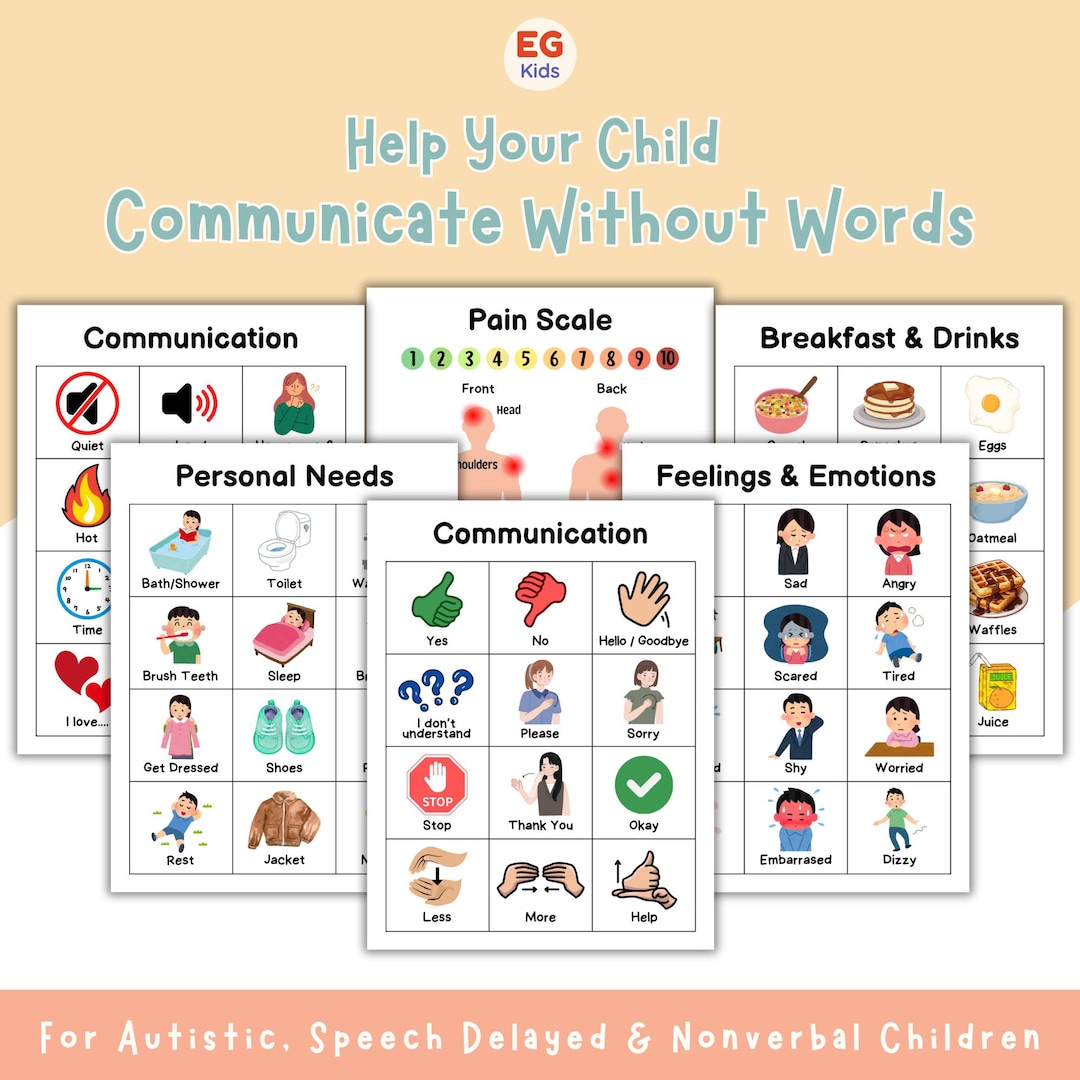
Implementing these aids effectively requires consistency and customization. Tailoring visuals to reflect the child’s preferences, routines, and needs enhances engagement. Furthermore, regularly updating these materials as progress unfolds sustains their relevance and utility. Visual supports are not mere aids; they are bridges of hope, spanning the gap between desire and expression.
Engaging Through Play and Sensory Experiences
Play is a universal language that transcends words, forging connections through shared joy and exploration. For a nonverbal child, playtime can become a dynamic arena for communication growth. Sensory-rich activities—such as tactile play with textured objects or interactive games involving sound and movement—can stimulate engagement and spark responsive behaviors.
Inviting the child into a multisensory world imbues interactions with meaning beyond verbalization. For instance, using textured toys during conversations can elucidate feelings or preferences without uttering a word. This approach nurtures reciprocal exchange, where both parent and child become active participants in a dance of shared discovery.
Incorporating Technology as an Amplifier
Modern technology offers unprecedented avenues for communication facilitation. Augmentative and Alternative Communication (AAC) devices are transforming silent galaxies into vibrant skies awash with possibility. From simple picture-based apps to sophisticated speech-generating devices, AAC tools enable children to articulate desires, questions, and emotions in ways previously inaccessible.
Technology, when integrated thoughtfully, reassures children they have a voice, even without speech. It is vital to select devices that resonate with the child’s cognitive and motor skills, ensuring ease of use and minimizing frustration. Training both child and family members on these tools catalyzes their effectiveness, fostering a continuum of communication that extends beyond daily interactions.
Building a Consistent Communication Routine
Rituals and routines act as anchors, providing predictability and security that encourage communication attempts. Establishing daily habits where communication is expected and celebrated motivates children to explore their expressive capabilities. Scheduled times for sharing feelings, requests, or storytelling nurture a culture of openness and connection.
This framework is not rigid but fluid, accommodating the child’s ebb and flow. Encouraging spontaneous communication alongside structured moments balances freedom and support. Importantly, celebrating even the smallest successes fuels the child’s confidence and the parent’s perseverance.
Collaborating with Professionals and Support Networks
No parent embarks upon this journey alone. Speech-language pathologists, occupational therapists, and special educators bring specialized expertise that illuminate new pathways. These professionals assess individual strengths and challenges, designing targeted interventions that amplify the effectiveness of communication strategies.
Equally essential is the engagement with support groups and communities of families navigating similar experiences. These networks provide emotional sustenance and practical wisdom, buffering isolation and enriching the collective pool of resources.
Embracing the Unique Voice of Your Child
At the heart of this voyage lies a fundamental truth: each nonverbal child harbors a singular voice waiting to be discovered. This voice transcends words, weaving through their actions, preferences, and interactions. Recognizing and cherishing this unique mode of expression fosters a deeper understanding that reshapes parental perspectives.
Rather than seeking to impose conventional communication molds, inviting the child to define their own linguistic landscape honors their individuality. This approach transforms communication from a task into an art form—a shared creation that enriches both parent and child.
Conclusion: Navigating the Silent Currents with Compassion
Improving communication with a nonverbal child is a journey into a realm where silence speaks eloquently and connection is sculpted through compassion. It challenges parents to perceive beneath the surface, to interpret the nuanced languages of gesture, gaze, and touch. By embracing visual supports, sensory engagement, technology, consistent routines, and professional collaboration, this river of communication begins to flow anew.
Ultimately, this pursuit is an odyssey of discovery—uncovering the profound bonds that transcend spoken words and celebrating the myriad ways in which love and understanding manifest. Through patience and innovation, parents unlock the fortress of silence, revealing a garden where communication blossoms in all its wondrous forms.