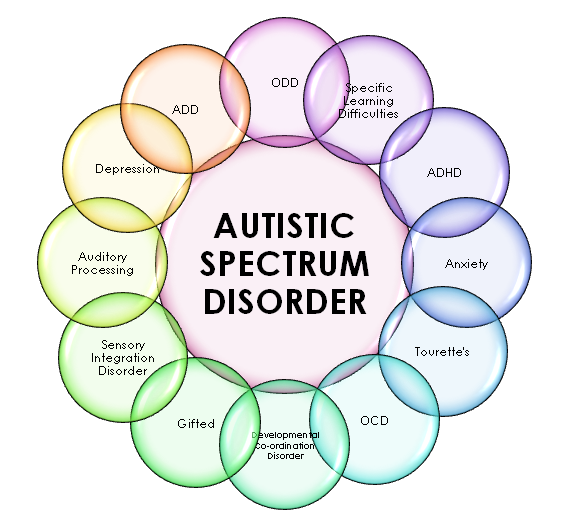
Have you ever wondered how to truly support an autistic loved one without unintentionally causing frustration or misunderstanding? It’s a delicate dance—one that requires patience, empathy, and a nuanced understanding of diverse experiences. Supporting someone on the autism spectrum is not about a one-size-fits-all approach but rather embracing individuality while navigating challenges together.
Understanding the Unique Landscape of Autism
Before offering meaningful support, it’s imperative to acknowledge the intricate and multifaceted nature of autism spectrum disorder (ASD). Autism is a neurodevelopmental condition marked by differences in communication, sensory processing, and social interaction. These differences don’t signify deficits; rather, they reflect an alternative way of perceiving and engaging with the world. Recognizing this framework invites a shift from “fixing” towards supporting and enhancing strengths.
Each autistic individual is unique. Some may have heightened sensory sensitivities, while others might experience challenges with verbal communication or social reciprocity. Therefore, the cornerstone of support lies in cultivating a deep understanding of your loved one’s preferences, triggers, and motivators.
Building a Foundation: Communication as a Two-Way Street
Effective communication is pivotal—but what does that look like in practice? Traditional conversational patterns might not always be effective or comfortable. Be attuned to nonverbal cues, subtle body language, or alternative means of expression your loved one may use.
Use clear, concise language, and avoid idioms or abstract expressions that might be confusing. Sometimes, providing information in visual formats or written notes can bridge gaps. Equally vital is fostering patience—allow ample time for responses and respect moments of silence.
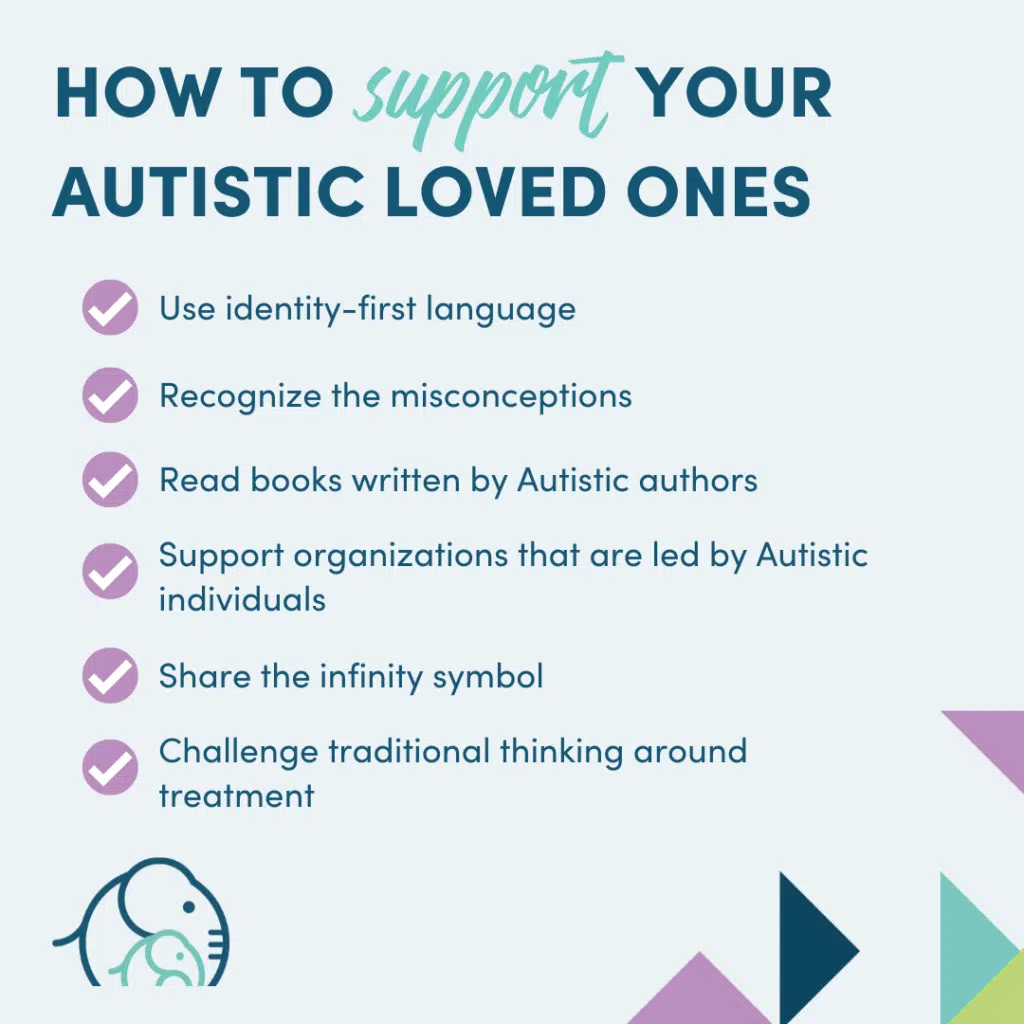
Above all, nurture an environment free from judgment, where your loved one feels safe to express themselves authentically. Encouraging open dialogue about their communication preferences can empower both parties.
Creating Supportive Environments: Sensory Sensitivities and Comfort
Have you noticed your loved one flinching at certain noises or recoiling from particular textures? Sensory sensitivities are common in autistic individuals and can range from hypersensitivity to hyposensitivity across multiple sensory domains—auditory, tactile, visual, olfactory, and proprioceptive.
The practical implications are immense. Understanding and adapting to these sensory needs dramatically improves comfort and reduces anxiety. This could mean providing noise-cancelling headphones, dimming lights in shared spaces, or offering preferred clothing materials.
Flexibility in routines and environments also goes a long way. While predictability often lends a sense of security, gently introducing small changes over time can help build resilience without overwhelming your loved one.
Promoting Autonomy Through Support
How can you support independence while remaining available as a source of comfort? This balance is both subtle and significant. Autonomy isn’t about leaving your loved one to navigate everything alone, but rather empowering them to make choices and develop skills with appropriate scaffolding.
Offer opportunities for decision-making in everyday contexts—whether selecting meals, clothes, or activities. Tailor your approach to their developmental stage and abilities, always celebrating small victories to bolster confidence.
Furthermore, facilitate access to resources that foster growth, such as occupational therapy, social skills groups, or mindfulness techniques. Encourage self-advocacy by helping your loved one articulate needs and boundaries, a powerful tool that enhances both self-esteem and communication.
Embracing Emotional Nuance: Recognizing and Validating Feelings
Emotional expression can be nuanced and sometimes elusive. Your loved one might not always label emotions conventionally or display them in expected ways. Understanding this spectrum of emotional expression requires sensitivity and attentiveness.
Validate emotions without judgment, even if they seem disproportionate or puzzling. Instead of immediately offering solutions, sometimes the most profound support is simply bearing witness to their experience. This validation nurtures trust and deepens your connection.
Consider developing strategies together to manage emotions—visual emotion charts, calming rituals, or sensory tools like stress balls or weighted blankets. These not only provide comfort but also respect individual coping mechanisms.
Fostering Social Connection on Their Terms
Social interactions can present formidable challenges, ranging from difficulty reading social cues to experiencing social anxiety. Rather than pressuring your loved one into conventional social settings, explore alternatives that align with their interests and comfort zones.
Shared hobbies, quiet gatherings with trusted individuals, or participation in niche communities focused on specific interests can cultivate meaningful connections. Respect their social bandwidth and provide graceful exits when interactions become overwhelming.
Remember, quality outweighs quantity. A deep, understanding relationship with a few trusted people enriches social well-being far more than numerous superficial connections.

Looking After Yourself: The Importance of Caregiver Well-being
Supporting an autistic loved one is tremendously rewarding but can also be taxing. It’s essential to prioritize your own well-being to sustain patience, empathy, and resilience. Seek support networks, professional guidance, or respite opportunities to recharge.
Remember that your emotional health is intertwined with your ability to provide meaningful support. Cultivating self-compassion and recognizing your limits prevents burnout and nurtures a healthier dynamic.
Supporting an autistic loved one is an evolving journey—a tapestry woven with understanding, patience, flexibility, and love. Embrace the unique perspectives they bring and celebrate progress in all its forms. Through intentional communication, sensory accommodations, promotion of autonomy, emotional validation, and mindful social engagement, you build a foundation grounded in respect and empowerment. Remember, the most profound support often lies in simply showing up, listening deeply, and loving unconditionally.