Dating and forming relationships can present unique challenges and opportunities for autistic adults. Navigating social interaction, communication nuances, and emotional connectivity requires a customized approach, distinct from neurotypical experiences. Understanding how autistic individuals date and cultivate meaningful relationships enriches the broader conversation about inclusivity and emotional diversity. This exploration delves into the multifaceted nature of autistic dating, offering insight into emotional landscapes, communication styles, social settings, and the diverse expressions of intimacy.
Understanding the Foundations of Autistic Dating
Autistic adults often engage in relationships with a different perspective on social cues and emotional exchanges. This divergence does not imply a deficit but a variation in processing and expressing affection and connection. Dating, therefore, extends beyond surface-level interactions and becomes a deeply individual journey marked by introspection and authenticity. Many autistic individuals prioritize clarity, routine, and explicit communication to forge bonds that resonate with their worldview. Such foundations support more profound understanding and reduce potential misunderstandings that could descend into social fatigue or anxiety.

Communication Modalities and Preferences
One of the hallmarks of autistic relationships is the emphasis on transparent and often unconventional communication. Autistic adults may prefer asynchronous communication methods, such as texting or emailing, that allow ample time to process and respond thoughtfully. This preference aids in circumventing the neurotypical expectation for rapid, spontaneous conversational exchanges which can be overwhelming.
Additionally, the use of literal and unambiguous language often characterizes autistic communication, offering clarity but sometimes requiring partners to adapt or learn new communicative frameworks. Importantly, many autistic individuals develop highly personalized codes or systems of signals that signify comfort, consent, or emotional states, creating an intimate lexicon unique to each relationship.
Social Venues and Platforms
The spaces where dating unfolds are as vital as the interactions themselves. Autistic adults frequently seek environments that provide sensory-friendly atmospheres or reduce social pressures common in traditional dating scenes such as bars or crowded parties. Online platforms tailored for autistic daters or those that encourage detailed personal profiles enable individuals to present themselves authentically and attract compatible partners with similar values and interests.
Beyond dating, fostering friendships with fellow autistic adults often precedes or parallels romantic relationship building. These friendships create communities of understanding that bolster social confidence and provide rehearsal environments for emotional expression.

Emotional Intimacy and Sensory Needs
Emotional intimacy for autistic individuals can diverge significantly from neurotypical paradigms. Many autistic adults experience emotions intensely but may express them through alternate sensory modalities or nonverbal cues. Recognizing sensory sensitivities—such as aversion to touch or specific environmental stimuli—is crucial in forming sustainable relationships.
For example, physical affection might be measured and thoughtfully negotiated rather than spontaneous or frequent. Emotional expressions might manifest through shared interests or mutual routines, reflective of a secure and connected partnership rather than dramatic displays of affection. These nuances highlight the importance of tailored intimacy that respects each partner’s boundaries and sensory processing quirks.
Challenges and Adaptive Strategies
The road to forming relationships is not devoid of obstacles. Social misunderstandings, rejection, or difficulties with interpreting nuanced social signals can create barriers. Additionally, societal misconceptions about autistic individuals—ranging from stereotypes to assumptions regarding emotional capacity—often compound these challenges.
Adaptive strategies are key to overcoming these hurdles. These include deliberate social skills coaching, seeking supportive communities, and prioritizing mental health and self-awareness. Many autistic adults advocate for self-advocacy and educating prospective partners about their needs, fostering environments of acceptance rather than correction.
Importantly, the concept of relationship norms is often redefined by autistic adults themselves to reflect a spectrum of relational experiences. This flexibility allows for partnerships that emphasize compatibility over convention and fulfillment over expectation.
Inclusivity in Romantic and Platonic Relationships
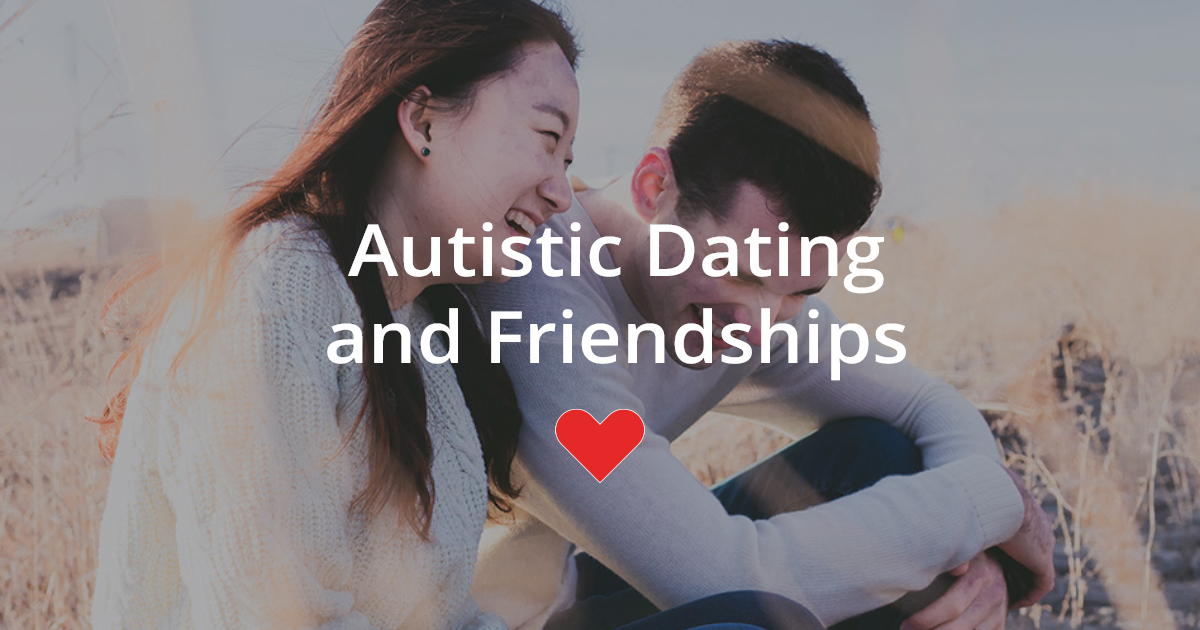
Dating for autistic adults is not solely about romantic partnerships. Many prioritize platonic friendships and chosen families that provide unwavering support and understanding. These relationships underscore the diversity within the autistic community and affirm the value of non-romantic emotional bonds.
Moreover, intersectionality plays a critical role, as autistic adults navigate overlapping identities—such as sexuality, gender, and cultural backgrounds—that inform their relational preferences and needs. Inclusive models of dating and friendship acknowledge and celebrate this rich complexity.
Looking Ahead: Evolving Narratives and Resources
As societal awareness grows, so does the availability of resources tailored to autistic adults seeking community and companionship. Therapeutic modalities evolve to incorporate neurodiversity-affirming practices, and digital ecosystems expand to create safe, validating spaces for autistic daters.
The narrative surrounding autistic dating is shifting towards empowerment, with increased visibility of autistic voices advocating for relational authenticity and dismantling stigmas. This evolution promises a future where autistic adults can engage in relationships that honor their unique ways of being, enriching their lives through connection and understanding.
In conclusion, autistic adults date and form relationships through a process attuned to their distinct social, emotional, and sensory frameworks. By embracing diverse communication styles, recognizing sensory needs, and redefining relational norms, they cultivate connections that are profoundly meaningful. The journey is characterized by resilience, innovation, and the pursuit of genuine intimacy—an inspiring testament to human diversity in relational experience.