

Have you ever wondered what it truly takes to transform a community into an inclusive haven for individuals with autism? It’s easy to say “acceptance” and “inclusion,” but turning those well-meaning notions into tangible action often presents a labyrinth of challenges. How can one person—or even a group—navigate these complexities to foster genuine empowerment for those on the autism spectrum in Your Town? The journey toward advocacy isn’t just about raising awareness; it’s about cultivating understanding, breaking down barriers, and actually building bridges.
Understanding the Landscape of Autism Inclusion
Before embarking on any advocacy efforts, it’s vital to grasp the multifaceted nature of autism and inclusion. Autism spectrum disorder (ASD) encompasses a broad range of neurological variations, each bringing diverse needs and strengths. Inclusion is more than physical presence in a space; it requires social acceptance, equitable opportunities, and systemic accommodations. The challenge lies in dispelling myths and stereotypes that often obscure these realities. Recognizing that inclusion demands sensitivity, patience, and ongoing education is the cornerstone of meaningful change.

Building a Coalition: The Power of Community Networks
Advocacy is rarely a solo pursuit. One of the most potent strategies involves assembling a diverse coalition of stakeholders—families, educators, healthcare professionals, business leaders, and local officials. This amalgamation of voices lends both credibility and reach. Identifying key allies within established community organizations or creating new advocacy groups dedicated to autism inclusion can galvanize momentum. Regular meetings, clear objectives, and shared commitments are essential to sustain energy and focus. Diverse representation ensures that the nuances of the autism experience are respected and incorporated into initiatives.
Educational Campaigns: Beyond Awareness to Deep Understanding
While awareness campaigns have their place, advocating effectively requires transcending superficial recognition of autism to foster profound understanding. Workshops, seminars, and storytelling sessions can demystify autism, highlight the importance of neurodiversity, and showcase lived experiences. Tailoring educational content to resonate with different segments of the community—schools, businesses, law enforcement—enhances receptivity. Leveraging multimedia resources, local media channels, and social platforms can amplify these messages, cultivating empathy and breaking down unconscious biases.

Creating Inclusive Environments: Practical Steps for Tangible Change
Advocacy must translate into environments where individuals with autism feel safe, valued, and supported. This includes advocating for sensory-friendly public spaces, inclusive educational settings, and employment opportunities tailored to individual strengths. Collaborating with local schools to implement individualized education programs (IEPs) that go beyond compliance to embrace personalized learning fosters inclusion at its core. In the workplace, encouraging businesses to adopt autism-friendly hiring practices and work accommodations not only promotes equity but enriches organizational diversity.
Policy Engagement: Catalyzing Systemic Change from the Ground Up
One of the most daunting yet impactful avenues for advocacy lies in influencing policy. Engaging with municipal leaders to enact inclusive ordinances, allocating funds to autistic community services, and ensuring accessibility standards in public facilities establish systemic frameworks that sustain inclusion. Attending town hall meetings, submitting public comments, or even collaborating on the drafting of legislation requires persistence and informed advocacy. Finding common ground between the needs of the autism community and broader civic priorities often increases the likelihood of legislative success.
Utilizing Technology and Innovation to Amplify Advocacy
In an era of rapid technological advancement, harnessing digital tools can accelerate autism inclusion efforts in unprecedented ways. Virtual forums, apps designed to facilitate social communication, and online training modules for first responders and educators exemplify innovative approaches. Additionally, data collection and analytics can identify service gaps and measure advocacy impact. This infusion of technology not only modernizes outreach but also engages younger demographics, creating a dynamic advocacy movement sensitive to evolving societal contexts.
Fostering Empathy Through Storytelling and Personal Connection
Numbers and policies alone won’t shift hearts. Stories do. Encouraging individuals on the autism spectrum and their families to share their journeys enriches advocacy with genuine human connection. Personal narratives dismantle abstraction and foster empathy, allowing community members to comprehend the complexities and triumphs of autism inclusion. Storytelling events, blogs, podcasts, and local art projects offer platforms for these powerful voices. These initiatives nurture a culture where difference is celebrated rather than merely tolerated.
Overcoming Resistance and Navigating Challenges
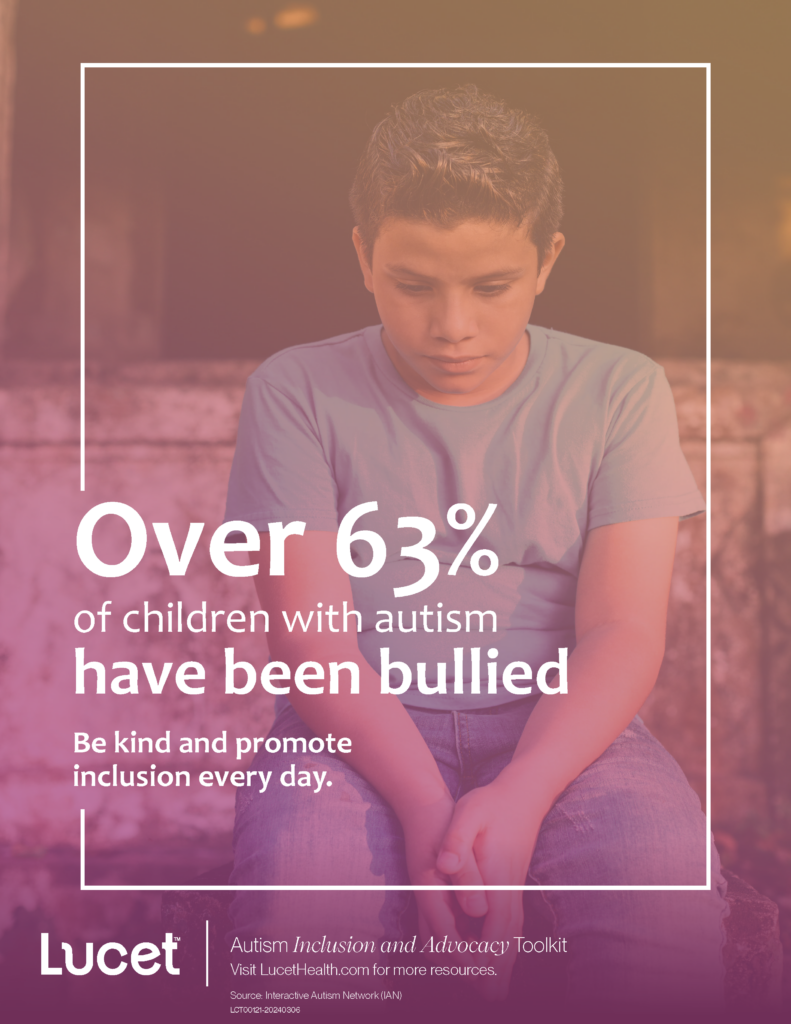
Resistance is an inevitable hurdle in any effort to shift societal norms. Whether arising from misconceptions, resource constraints, or entrenched policies, opposition must be met strategically. Employing patience, compassion, and facts, advocates can gradually dismantle barriers. Skillful communication that anticipates concerns and offers practical solutions fosters dialogue rather than discord. Highlighting successful inclusivity models from other communities can inspire and legitimize efforts locally. Persistence proves essential, as meaningful inclusion rarely blossoms overnight.
Advocating for autism inclusion in Your Town is not a simple checklist of actions but a continual commitment to empathy, education, and empowerment. It challenges each of us to expand our understanding and reimagine community as an interwoven fabric of diverse neurologies and experiences. With thoughtful strategy, coalition-building, and unwavering resolve, transforming hopes into reality is within reach. Embrace this calling—not as a burdensome task, but as a profound opportunity to enrich the collective human tapestry with acceptance and equitable inclusion.












