
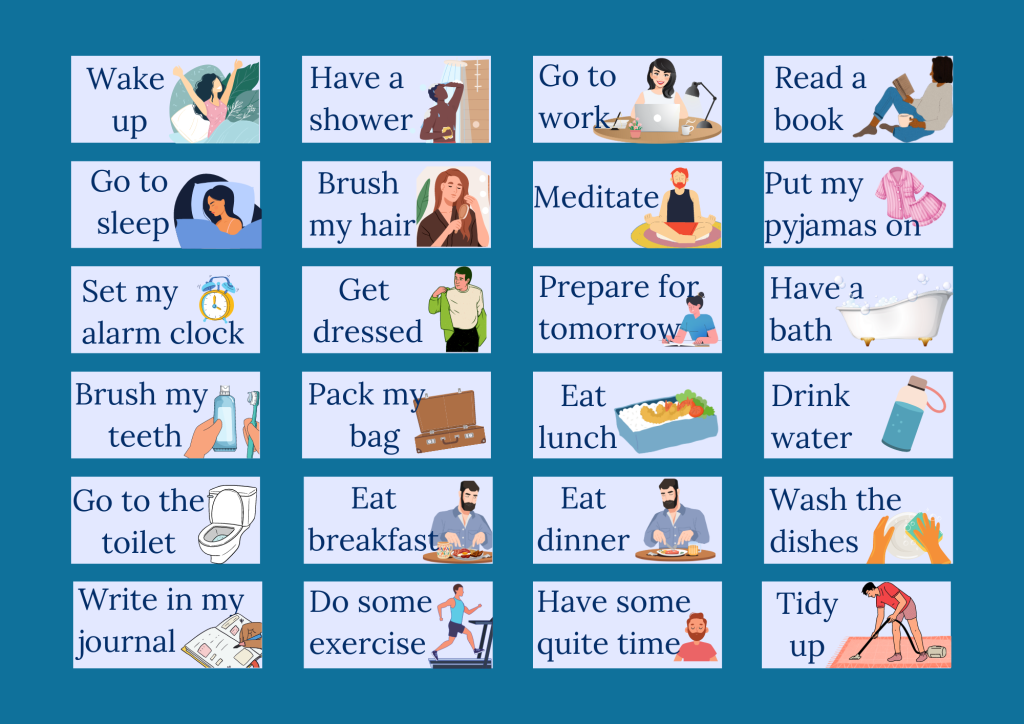
Have you ever wondered how a seemingly simple tool could transform the chaotic whirlwinds of daily routines into a harmonious dance for your autistic child? Visual schedules, often underestimated, wield the extraordinary power to clarify expectations and reduce anxiety. Yet, the challenge lies not merely in creating a schedule, but in crafting one that resonates uniquely with your child’s needs and preferences. This guide embarks on an explorative journey, unveiling the nuances of designing an effective visual schedule that empowers both you and your child, fostering independence and emotional stability.
Understanding the Power of Visual Schedules
Visual schedules serve as a bridge between spoken language and comprehension for many autistic children, who often process information more effectively through visual stimuli. These schedules depict the sequence of activities using images, words, or a combination thereof. The advantage is multifaceted: they provide predictability, reduce anxieties associated with transitions, and build a framework of autonomy. Unlike verbal instructions that may evaporate in the moment, visual cues persist and can be referenced repeatedly, reinforcing understanding and routine adherence.

Assessing Your Child’s Unique Needs
Creating a truly effective visual schedule begins with a thoughtful assessment of your child’s individual abilities, preferences, and sensory sensitivities. Consider the child’s receptive language level, attention span, and visual processing skills. Some children may respond better to photographs, while others might prefer simple line drawings or symbolic icons. Additionally, the length and complexity of the schedule should align with their cognitive endurance — too granular a schedule might overwhelm, whereas overly simplistic versions may fail to convey necessary information.
Choosing the Right Medium: From Paper to Digital
Another pivotal decision lies in selecting the medium for your visual schedule. Traditional paper-based schedules, mounted on walls or clipboards, offer tactile engagement and are easily portable. Laminated cards with Velcro attachments enable flexibility for changing tasks. On the other hand, digital applications introduce interactive elements and can incorporate audio prompts, which might appeal to tech-savvy children. The choice depends on what invokes the most consistent engagement and the practicality of integration within your daily life.

Constructing the Schedule: Sequential Clarity and Logical Flow
The essence of a visual schedule lies in its sequence—the logical procession from one task to the next. Break down complex tasks into manageable, bite-sized steps to avoid cognitive overload. For example, instead of a single “Get Ready for School” card, include discrete segments such as “Put on Shoes,” “Brush Teeth,” and “Pack Backpack.” Numbering the cards or using arrows can reinforce the order. This sequential clarity empowers your child to anticipate what comes next, mitigating the stress of unexpected transitions.
Incorporating Flexibility and Choice
While structure is essential, embedding flexibility within the schedule ensures it remains a living document, adaptable to fluctuating moods or preferences. Integrate choice boards or optional activities to foster autonomy. For instance, after completing a primary task, present your child with two or three activity options as an enjoyable reward. This balance between predictability and personal agency is crucial in cultivating motivation and reducing resistance.
Utilizing Positive Reinforcement Strategies
Complement the visual schedule with tailored positive reinforcement to celebrate accomplishments. Use encouraging phrases, stickers, or tokens aligned with completing tasks. Visual markers signaling progress—such as moving a clip from “To Do” to “Done”—can provide immediate gratification. Praise, both verbal and visual, embedded in the schedule, accentuates effort and perseverance, nurturing a growth mindset and reinforcing routine adherence.

Implementing and Adjusting the Schedule Over Time
Launching the visual schedule calls for patience and consistency. Introduce the schedule during a calm period, explaining its purpose in simple, engaging language. Actively involve your child in setting up or choosing images to increase ownership. Observe their interactions and remain open to recalibrating the schedule based on responsiveness and evolving needs. Progress might be incremental, requiring ongoing modifications to address new challenges, such as changing school routines or developing skills.
Collaborating with Educators and Therapists
Effective visual schedules often extend beyond the home environment. Collaborate closely with educators, therapists, and other caregivers to ensure consistency and reinforcement across settings. Sharing the schedule format and updates promotes a unified approach, which is paramount in supporting generalization of skills. Professionals can also provide invaluable insights into tailored imagery, language use, and integration with therapeutic goals.
The Lasting Impact: Empowerment through Predictability and Independence
Ultimately, a well-crafted visual schedule transcends mere organization; it instills confidence, minimizes frustration, and cultivates independence. As your child learns to anticipate the day’s flow and navigate transitions seamlessly, emotional well-being flourishes alongside cognitive development. The visual schedule becomes a trusted companion, a silent yet potent guide through the intricate maze of daily life.
Crafting a visual schedule for your autistic child is a nuanced endeavor, blending creativity, empathy, and strategic planning. Though challenges may arise, the rewards—in clarity, calmness, and capability—are profound. Embrace this process with openness and adaptability, knowing that each step forward is a stride toward empowerment and enhanced quality of life for your child and your family.












