Explaining autism to your employer can feel like a daunting task, yet it holds the potential to foster a more inclusive, supportive, and understanding workplace. Transparency paves the way for meaningful accommodations and smoother communication, allowing you to harness your strengths and thrive professionally. This guide elucidates various dimensions through which you can approach this conversation, offering insight into the types of content and key information that can make your disclosure both effective and empowering.
Understanding the Spectrum: Clarifying What Autism Means
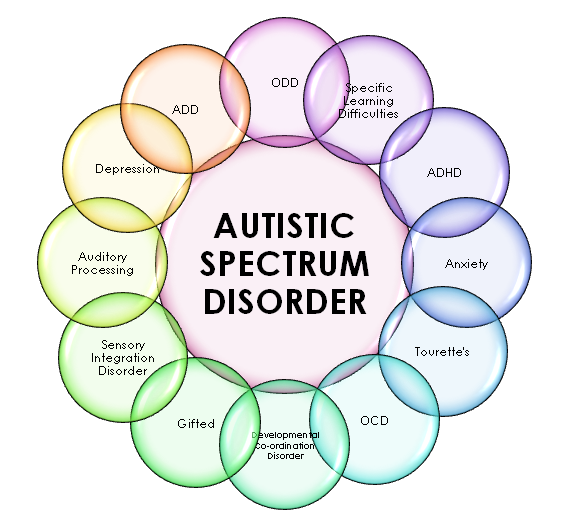
Begin by providing your employer with a clear and concise explanation of autism spectrum disorder (ASD). Autism encompasses a broad range of neurodevelopmental variations that influence communication, social interactions, sensory processing, and behavior. Emphasize that autism is not a monolith—each individual’s experience is distinct, characterized by unique strengths and challenges.
Clarifying this variability helps dismantle common misconceptions, such as the erroneous belief that all individuals with autism possess the same capabilities or limitations. You might describe aspects like sensory sensitivities or the need for routine, which can impact workplace performance. Contextualizing your own experience within the broader spectrum can help your employer appreciate that accommodations are not about concession but about enabling optimal productivity.

Why Disclosure Matters: Benefits to You and Your Employer
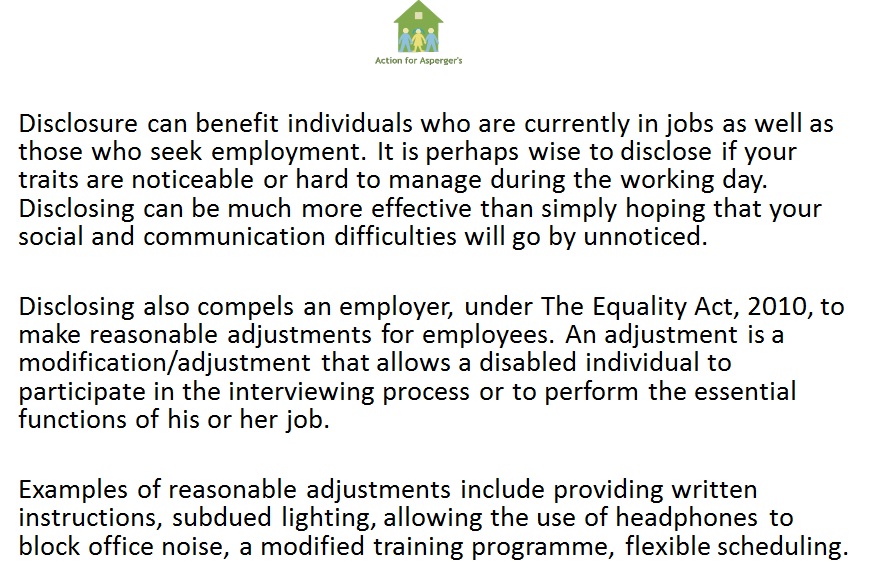
Explain why you have chosen to disclose your diagnosis. It enables your employer to better comprehend your work style and fosters a cooperative approach to problem-solving. Disclosure is not obligatory but can significantly enhance your professional experience by unlocking tailored accommodations. These could range from flexible scheduling and quiet workspaces to modified communication methods.
An empathetic employer, informed about your specific needs, can proactively create an environment conducive to your success. Moreover, transparency tends to cultivate trust, which is invaluable in any professional relationship. Illuminate these points to illustrate that disclosure is mutually beneficial, not merely a personal disclosure.
How to Frame the Conversation: Strategic Approaches to Disclosure
Choosing the right time and setting is critical when explaining autism to your employer. Aim for a private, calm environment where both parties can engage without distractions. Preface the conversation by acknowledging your commitment to your role and your enthusiasm for contributing meaningfully to the organization.
Use “I” statements to communicate your needs and experiences succinctly. For example, say, “I find that noise can be overwhelming in open office spaces, so I work best with occasional breaks in a quieter environment.” This approach centers the discussion on practical impacts without invoking stereotypes or assumptions.
Additionally, consider sharing resources that provide credible information about autism in the workplace. This can demonstrate your preparedness and willingness to collaborate toward feasible solutions.
Discussing Accommodations: Practical Adjustments to Enhance Productivity
Outline specific accommodations that have previously supported your work or that you believe would be beneficial moving forward. Accommodations might include:
- Alternative communication channels, such as written instructions instead of verbal ones
- Modified deadlines or workload adjustments during periods of increased sensory overload
- Quiet workspaces or noise-cancelling headphones to mitigate sensory sensitivities
- Scheduled breaks to decompress or manage anxiety
Emphasize that accommodations are designed to level the playing field, not confer an unfair advantage. Express openness to trial periods to assess their effectiveness. This collaborative mindset fosters goodwill and an adaptive work environment.
Addressing Concerns and Misconceptions
Anticipate common questions or reservations your employer might have. Address concerns transparently but confidently, dispelling myths with factual insights. For example, some employers may worry about reliability or teamwork. Reassure them by citing your track record and emphasizing how accommodations promote consistency and engagement.
It’s useful to frame autism through a strengths-based lens. Many individuals on the spectrum exhibit exceptional attention to detail, pattern recognition, and problem-solving skills. Highlighting these attributes can recalibrate perspectives from limitations to valuable assets.
Maintaining Ongoing Communication
Disclosure is not a one-time event but a gateway to ongoing dialogue. Encourage your employer to check in periodically to re-evaluate accommodations and adjust as necessary. Open channels foster mutual understanding, helping to preempt potential challenges.
Establishing clear confidentiality expectations is equally important. Assure that your personal information is handled sensitively, shared only with relevant parties, which builds trust and safeguards your privacy.
Resources for Continued Education and Support
Providing your employer with curated educational content can facilitate deeper comprehension and empathy. Suggest reputable sources, articles, or training modules that explore autism in professional contexts, emphasizing workforce inclusion.
Highlight organizational benefits of diversity and inclusion policies, ensuring your employer understands that neurodiversity enriches workplace culture and innovation.
Conclusion: The Empowerment of Transparent Dialogue
Explaining autism to your employer is an empowering act that can transform your professional environment. By elucidating what autism means to you personally, articulating your needs clearly, and fostering open communication, you lay the groundwork for a mutually respectful partnership.
This transparency not only helps mitigate misunderstandings but also unlocks opportunities for growth, collaboration, and success. Ultimately, embracing neurodiversity enriches workplace dynamics, cultivating an environment where every individual’s talents can shine.