Finding an autism-friendly pediatrician is akin to navigating a complex constellation—each star represents a critical quality, and only by connecting these points can one illuminate the path to exceptional care. For families embarking on this journey, selecting the right pediatrician transcends simply finding a medical professional; it means discovering an advocate, a guide, and a compassionate partner entrusted with the delicate task of nurturing a child’s unique needs.
Understanding the Essence of an Autism-Friendly Pediatrician
Not every pediatrician is equipped with the nuanced expertise and empathetic approach essential for children on the autism spectrum. Autism-friendly pediatricians embrace an ethos that extends beyond conventional medical practice. They possess a refined sensitivity toward sensory processing differences, communication styles, and behavioral patterns. These physicians view the child through a lens tuned to neurodiversity rather than pathology, fostering an environment where trust and understanding flourish. Their clinical acumen is complemented by an appreciation for developmental nuances, which shapes tailored strategies designed to optimize outcomes.

Evaluating Credentials and Specialized Training
One cannot overlook the crucial role of specialized training in autism spectrum disorders (ASD). Aptitude in typical pediatric care does not automatically translate to efficacy in managing ASD-related complexities. Seek practitioners who have completed additional certifications, workshops, or fellowships focusing on developmental pediatrics or behavioral health. Membership in professional organizations dedicated to autism or developmental disorders often signals a commitment to continued education and advocacy. Such pediatricians stay current with emerging research, intervention methodologies, and diagnostic tools, ensuring that their practice reflects cutting-edge knowledge.
Prioritizing Communication and Empathy
Effective communication acts as the bridge between clinical expertise and familial collaboration. When evaluating potential pediatricians, observe their capacity for active listening and patience. Do they create a welcoming space for questions, doubts, and expressions of concern? The diagnostic journey and subsequent interventions require a profound partnership, necessitating transparent dialogues where parents feel heard and validated. Equally important is the pediatrician’s approach to interacting directly with the child: are they gentle, adaptable, and attentive to sensory sensitivities? These behavioral cues often reveal their intrinsic empathy and understanding.
Exploring Collaborative Networks and Support Systems
The metaphorical orbit of an autism-friendly pediatrician extends beyond their clinic walls. The most effective clinicians actively collaborate with multidisciplinary teams, including speech therapists, occupational therapists, behavioral analysts, and educational specialists. A pediatrician who seamlessly integrates these services cultivates a comprehensive support network crucial for holistic care. Investigate whether the pediatrician can provide referrals or facilitate connections to local autism support groups, early intervention programs, and community resources. Such integration ensures continuity of care and bridges gaps that might emerge as the child grows.

Assessing Flexibility in Appointment Structure and Sensory Accommodations
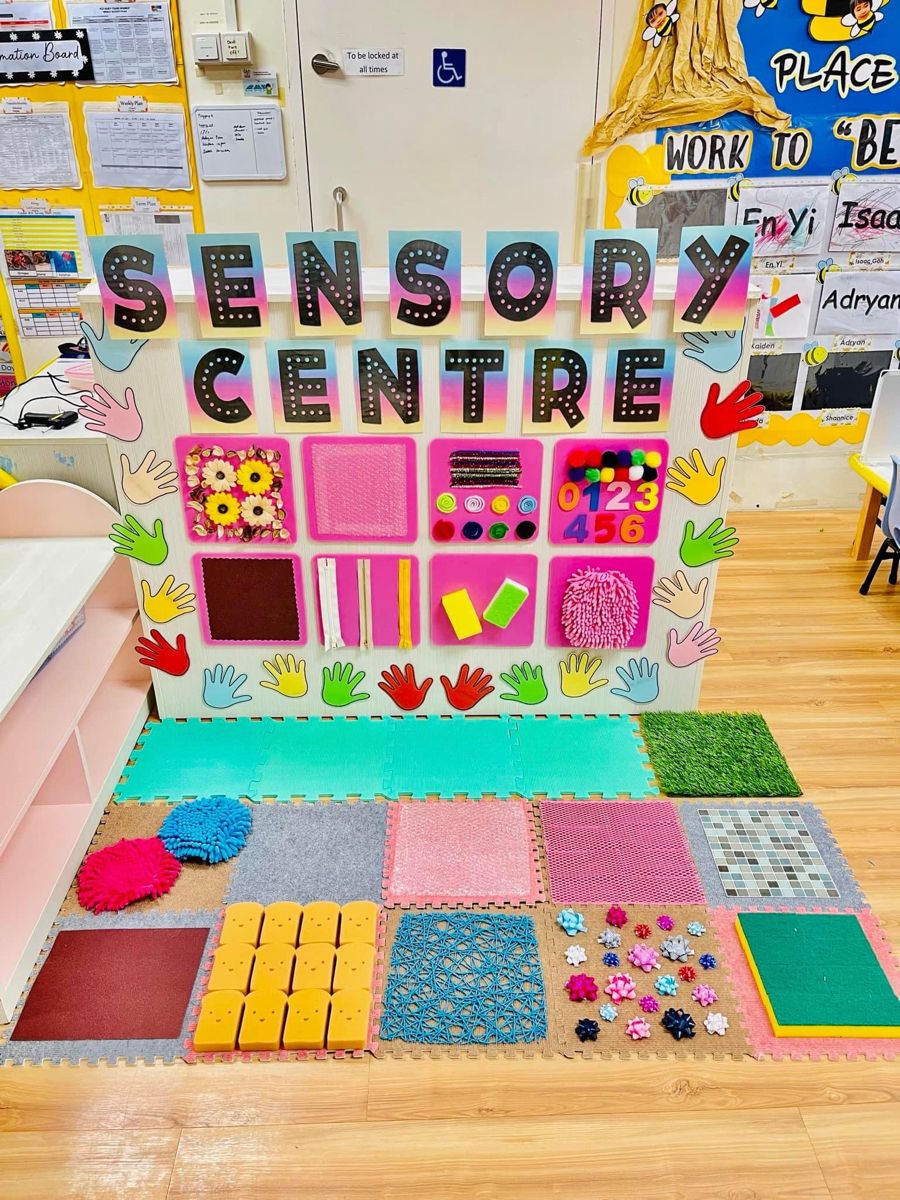
Routine pediatric appointments can be overwhelming for children with sensory sensitivities. A truly autism-friendly pediatrician exhibits flexibility in scheduling, appointment pacing, and examination techniques. Look for practices offering extended appointment times or quiet waiting areas designed to minimize sensory overload. Some clinics accommodate pre-visit orientations or allow familiar items during visits, creating a reassuring atmosphere. The willingness to adapt clinical protocols and environments underscores a genuine commitment to the child’s well-being, rather than adhering rigidly to standard operating procedures.
Leveraging Technology and Telehealth Options
In an era where digital innovation intersects with healthcare, technology serves as a vital conduit for accessible autism-friendly care. Some pediatricians utilize telehealth consultations, enabling families to engage with providers in familiar environments. This option alleviates transportation challenges and mitigates anxiety that might accompany traditional visits. Electronic health records (EHR) systems tailored to developmental tracking facilitate ongoing monitoring and enable swift communication between multidisciplinary teams. Prioritize practitioners who embrace these tools to enhance continuity and responsiveness.
Gathering Personal Experiences and Community Recommendations
The reflections of other families are an invaluable compass. Engage with local autism advocacy groups, online forums, and social media communities to gather candid evaluations of pediatricians. Personal anecdotes often reveal facets of care quality that formal credentials cannot convey—such as bedside manner, accessibility, and real-world effectiveness of interventions. Visiting support networks also presents opportunities to observe peer interactions and resources, enriching the decision-making matrix.

Preparing for the First Appointment
The initial consultation sets the tone for a long-term relationship. Preparation is paramount. Collate medical histories, developmental milestones, and any diagnostic evaluations. Compile questions and concerns that reflect your child’s unique behaviors and needs. Note any sensory or communication preferences to share with the provider. A well-prepared meeting maximizes efficiency and ensures that critical information frames the pediatrician’s approach from the outset. Observing how the pediatrician responds to your preparedness and inquiries serves as an early indicator of their dedication and professionalism.
Final Reflections: Cultivating a Lifelong Partnership
Selecting an autism-friendly pediatrician is more than a utilitarian choice; it is the foundation for a partnership often lasting years, intimately tied to a child’s developmental trajectory. This endeavor demands deliberate discernment—balancing objective credentials, interpersonal dynamics, and logistical considerations. When the constellation aligns, it reveals a guide equipped to navigate the labyrinthine challenges of autism with expertise, compassion, and steadfast support. The right pediatrician can transform uncertainty into clarity, fostering resilience in families and unlocking a world of potential for the child.