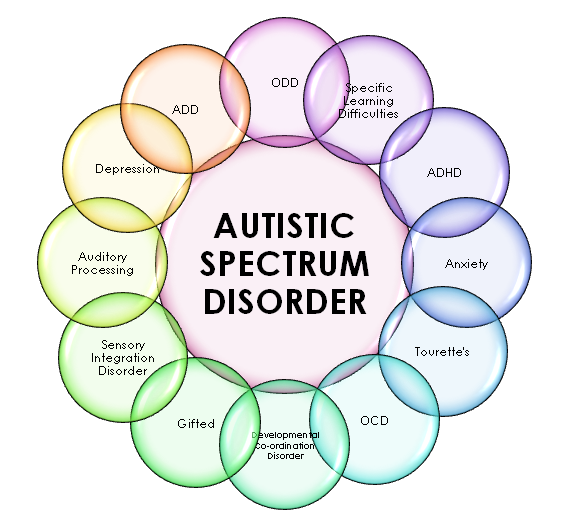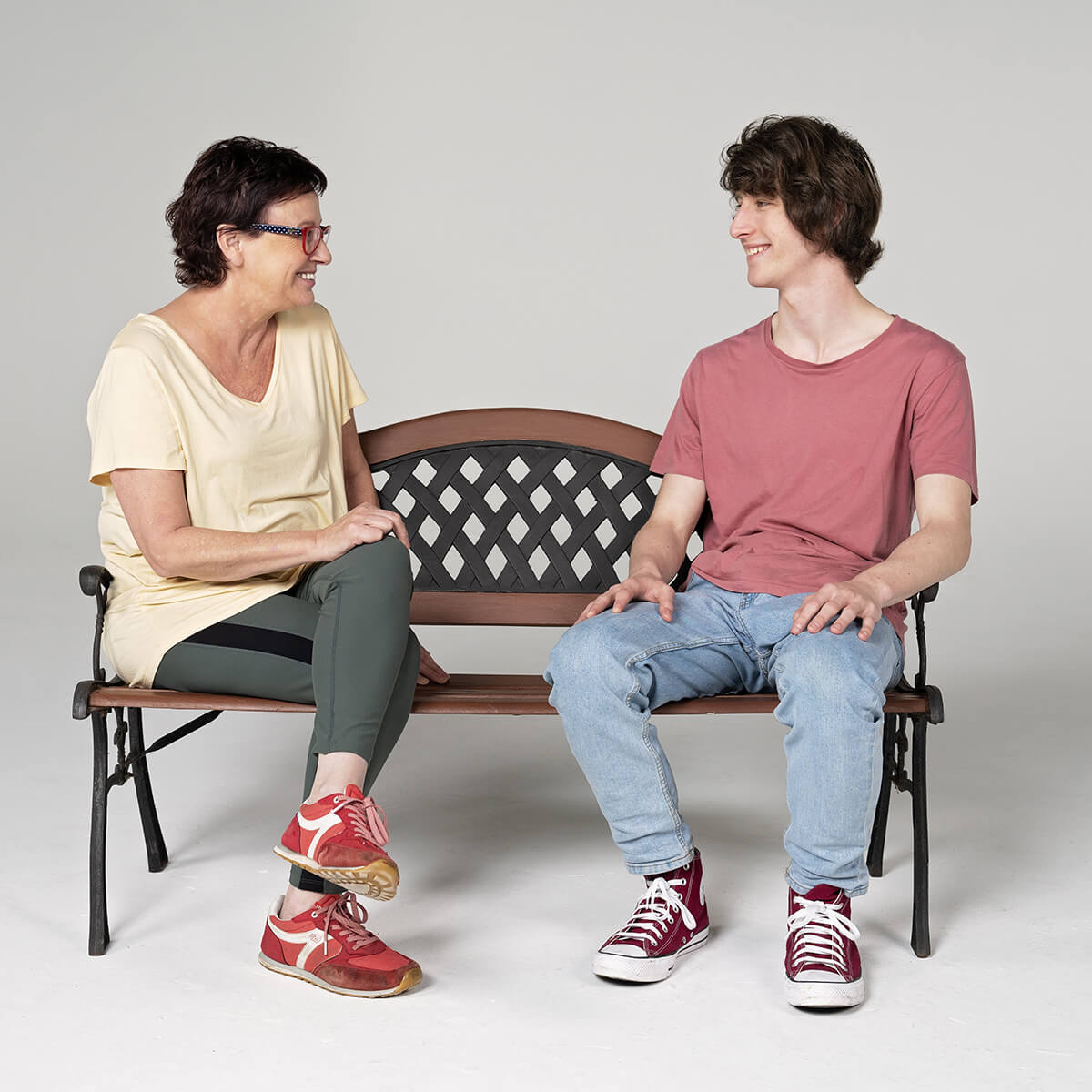
In the journey toward understanding and support, finding an autism-friendly therapist emerges as a nuanced endeavor. Often, families and individuals observe that traditional therapeutic approaches may not always resonate with the unique neurodivergent experience. This recurring observation reveals a more profound yearning—the desire not merely for intervention, but for resonance, respect, and authentic affirmation within therapeutic relationships. Beneath the surface lies a tapestry of complexities; an autism-friendly therapist is not just a specialist but a connoisseur of empathy, adaptive communication, and cultural competence. The quest is therefore as much about uncovering a therapeutic ethos as it is about accessing clinical expertise.
Recognizing the Significance of Autism-Friendly Therapy
The term “autism-friendly” extends beyond simple accommodation. It implies an immersive understanding of the sensory, communicative, and cognitive landscapes that define the autistic experience. Such therapists are attuned to subtle variances in processing information, emotional regulation, and social interactions. Consequently, therapy tailored with this mindful congruence often results in significantly improved engagement and outcomes. The common observation that many autistic individuals disengage or feel misunderstood by conventional therapeutic modalities hints at the necessity for specialized, affirming approaches.
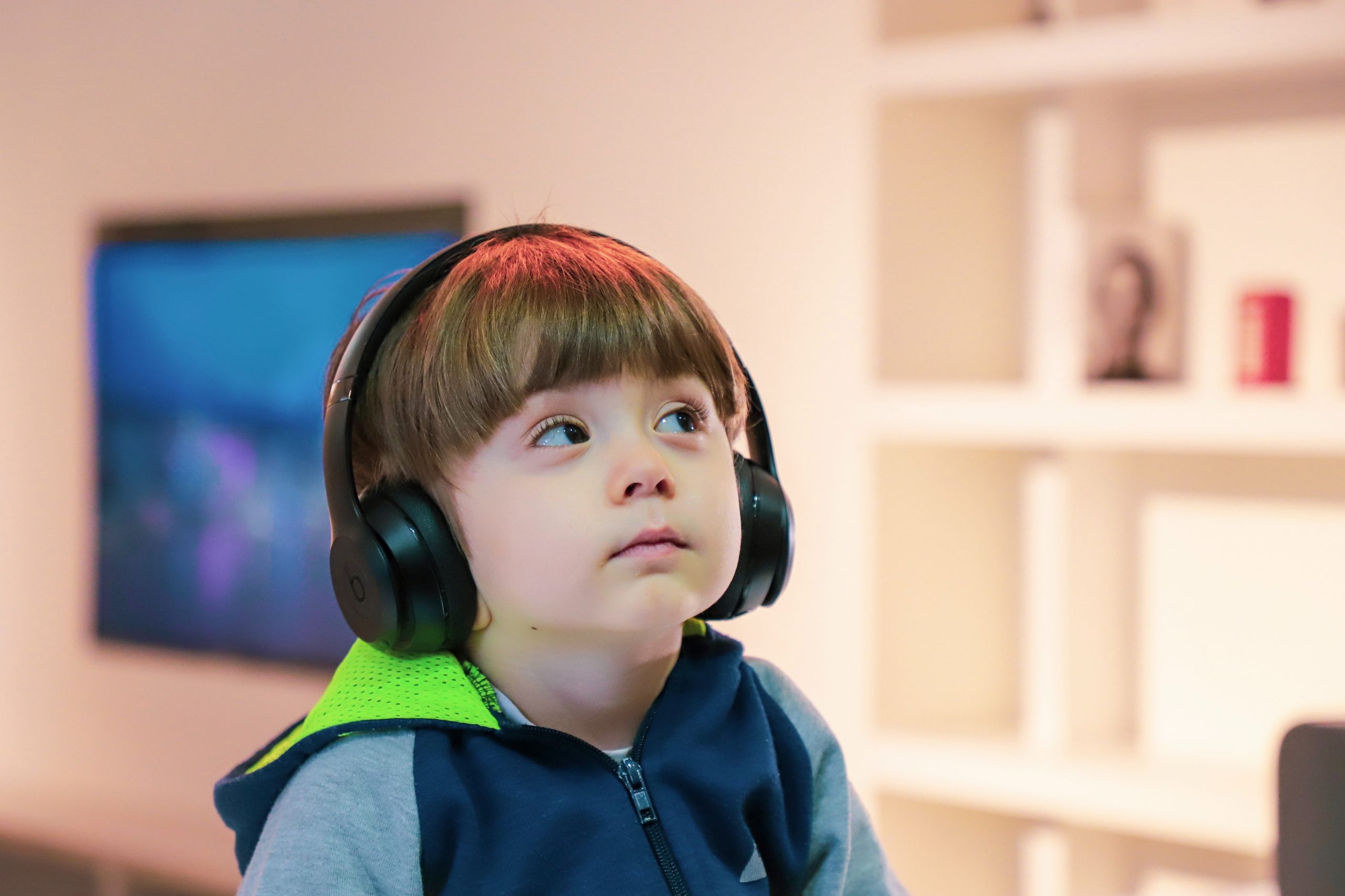
Understanding this context helps illuminate why the process of finding such support can feel labyrinthine. It is not merely a checklist of qualifications but an exploration into the therapist’s philosophy, methods, and genuine appreciation of neurodiversity.
Identifying Core Competencies and Credentials
Credentials form a fundamental baseline in the search. Licensed professionals with a background in psychology, occupational therapy, or speech-language pathology often possess the foundational knowledge necessary for autism-related interventions. However, the distinction lies in specific training related to autism spectrum conditions (ASC). Look for certifications or coursework in evidence-based practices such as Applied Behavior Analysis (ABA), Relationship Development Intervention (RDI), or Developmental, Individual Differences, Relationship-Based (DIR) therapy.
Yet, the sophistication of a truly autism-friendly therapist is revealed through ongoing professional development and dedication to understanding current research and evolving best practices. This reflects a commitment to personalized, rather than generic, intervention strategies.
Evaluating Therapeutic Approaches and Philosophies
The modalities employed by autism-friendly therapists vary, but their philosophies often share common threads: respect for the individual’s autonomy, a focus on strengths rather than deficits, and incorporation of family or caregiver insight. Traditional deficit-based models may inadvertently perpetuate stigma or discomfort, whereas affirming approaches celebrate neurodiversity and the holistic well-being of the individual.
Exploring whether the therapist uses naturalistic developmental behavioral interventions or embraces assistive technologies can provide insight into their adaptability. Moreover, an openness to modifying sensory environments or communication methods (e.g., incorporating augmentative and alternative communication devices) is indicative of an empathetic, flexible practice.

Asking probing questions during initial consultations is advisable. For example, how does the therapist integrate the child’s special interests or manage sensory sensitivities? Do they engage in co-creating goals with the family? Such inquiries expose the depth of their autism-affirming orientation.
Searching Within and Beyond the Clinical Setting
Sometimes the geographical and community context influences accessibility to autism-friendly therapists. Urban centers may offer a richer tapestry of specialized services, while rural or under-resourced areas demand creativity—such as teletherapy or collaborative care models. Online platforms and support groups can be valuable conduits for recommendations, testimonials, and even direct interactions with prospective therapists.
In this era of digital connectivity, it is possible to transcend conventional barriers. However, one should remain judicious—validating the therapist’s reputation, seeking transparency about approaches, and ensuring alignment with individual values and needs.
The Role of Cultural Competence and Intersectionality
Autism does not exist in isolation; it intersects with culture, ethnicity, socio-economic status, and identity. A truly autism-friendly therapist acknowledges this intersectionality. They demonstrate cultural humility and are vigilant against biases that could obscure or invalidate the lived experiences of the person seeking therapy.
For example, communication nuances and familial dynamics may vary widely across cultures, which influences engagement and trust. Therapists who adapt to such variables reinforce a therapeutic alliance based on authentic connection and mutual respect.
Observing the Therapeutic Environment and Initial Interactions
The physical and emotional atmosphere of therapy sessions can be telling. Spaces that accommodate sensory sensitivities—through lighting, minimal clutter, and availability of comforting tools—reflect intention. Initial interactions often foreshadow the relational tenor of the therapy. Does the therapist demonstrate patience, active listening, and genuine curiosity? Are there clear, respectful boundaries that still invite openness?
These elements contribute to a safe container where neurodivergent individuals can explore challenges without fear of judgment or misunderstanding.
The Importance of Collaboration and Continual Reassessment
Finally, finding an autism-friendly therapist is an ongoing partnership. Therapeutic progress should be continually reassessed collaboratively, with room for adjustment based on evolving needs and preferences. Empowerment stems from shared decision-making and transparent communication.
Families and individuals are encouraged to trust their intuition and advocate for environments where difference is recognized as an asset rather than a problem.
In essence, the tapestry of autism-friendly therapy is woven from expertise, empathy, and adaptability. It requires recognizing that beneath the observable behaviors lies a rich, intricate individual whose experience deserves affirmation. The pursuit to find such a therapist intertwines clinical discernment with the deeper, almost ineffable human desire to be genuinely understood and supported. As this journey unfolds, it becomes clear that the therapist’s role transcends traditional boundaries, becoming a beacon of trust, acceptance, and transformation.