When we hear the term “Level 1 Autism,” an immediate assumption often arises: this is the “high-functioning” archetype, someone who sails smoothly through everyday life with only minor disturbances. However, this perception, while comforting, is fraught with oversimplification. The reality is far more intricate, nuanced, and deserving of a deeper exploration. This conversation invites a recalibration of perspective, urging us to question: does “Level 1” truly indicate minimal support needs, or does it cloak a labyrinth of unseen challenges?
Redefining Level 1 Autism: Beyond the High-Functioning Label
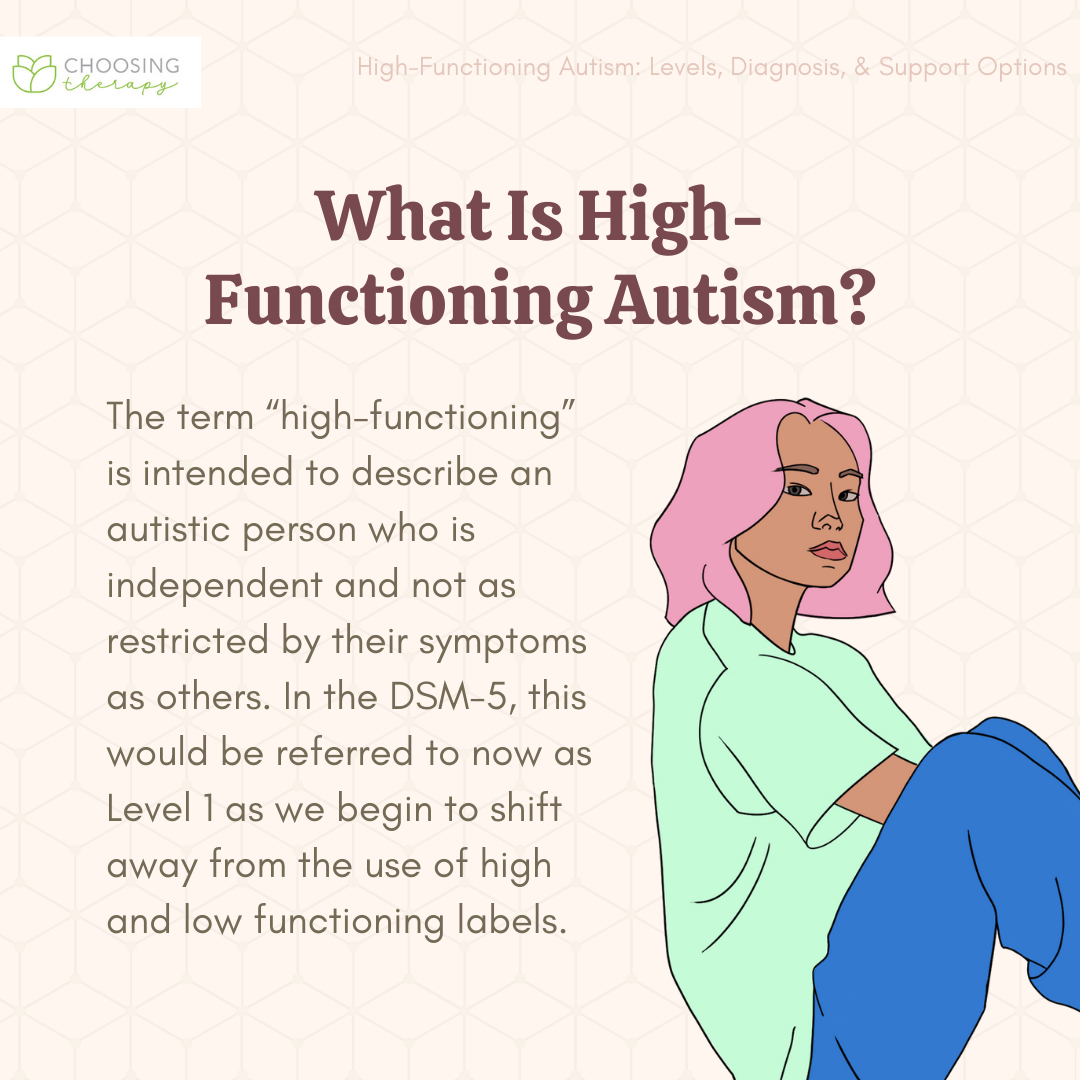
Autism Spectrum Disorder (ASD) is broadly classified into levels based on the degree of support an individual requires. Level 1, often described as “requiring support,” has colloquially morphed into the label “high-functioning autism.” Yet, this phrase risks flattening a diverse spectrum into a single dimension—functionality—measured predominantly by visible social skills or cognitive abilities. The designation of “high-functioning” may obscure the subtle but persistent battles with executive functioning, sensory processing, and social cognition that demand considerable resilience and accommodation.
In fact, individuals categorized within Level 1 may adeptly navigate overt social interactions and maintain routines, but underneath the surface lies a struggle with the nuances of unstructured social environments, emotional regulation, and frequent mental fatigue. Intricacies such as interpreting metaphors, understanding social reciprocity, or managing sensory sensitivities complicate an ostensibly smooth facade. This dichotomy provokes the question: does the high-functioning label inadvertently minimize the true nature of support needed?
The Spectrum’s Subtle Shades: Navigating Challenges Hidden from Plain Sight
The essence of Level 1 autism lies entrenched in complexities not immediately evident. Individuals might demonstrate verbal fluency and intellect yet grapple profoundly with initiating or sustaining social interaction without explicit structure or guidance. They often rely on learned scripts or rehearsed phrases, masking a difficulty in spontaneous social communication.
Executive functioning challenges—such as organizing tasks, time management, and problem-solving—may impede independence. Anxiety and sensory overload frequently accompany these hurdles, manifesting as avoidance behaviors that may be misinterpreted as disinterest or defiance. Consequently, although they may not require intensive care or supervision, the supports necessary for meaningful engagement and quality of life are undeniable.
The Role of Environmental and Contextual Factors
A defining characteristic of Level 1 autism is the variability of support needs across different environments. In structured settings with predictable routines, an individual might thrive, showcasing their strengths and independence. However, in ambiguous or socially fluid contexts—workplace dynamics, casual social gatherings, or unexpected changes—the demand for support intensifies.
Support, therefore, is not a static checklist but a fluid, context-dependent phenomenon. A person deemed “high-functioning” in academia may struggle substantially in employment or community living without tailored adaptations. Recognizing this fluidity is crucial to moving beyond stereotypes and appreciating the individual’s lived experience.

Support That Resonates: Tailoring Interventions for Level 1 Autism
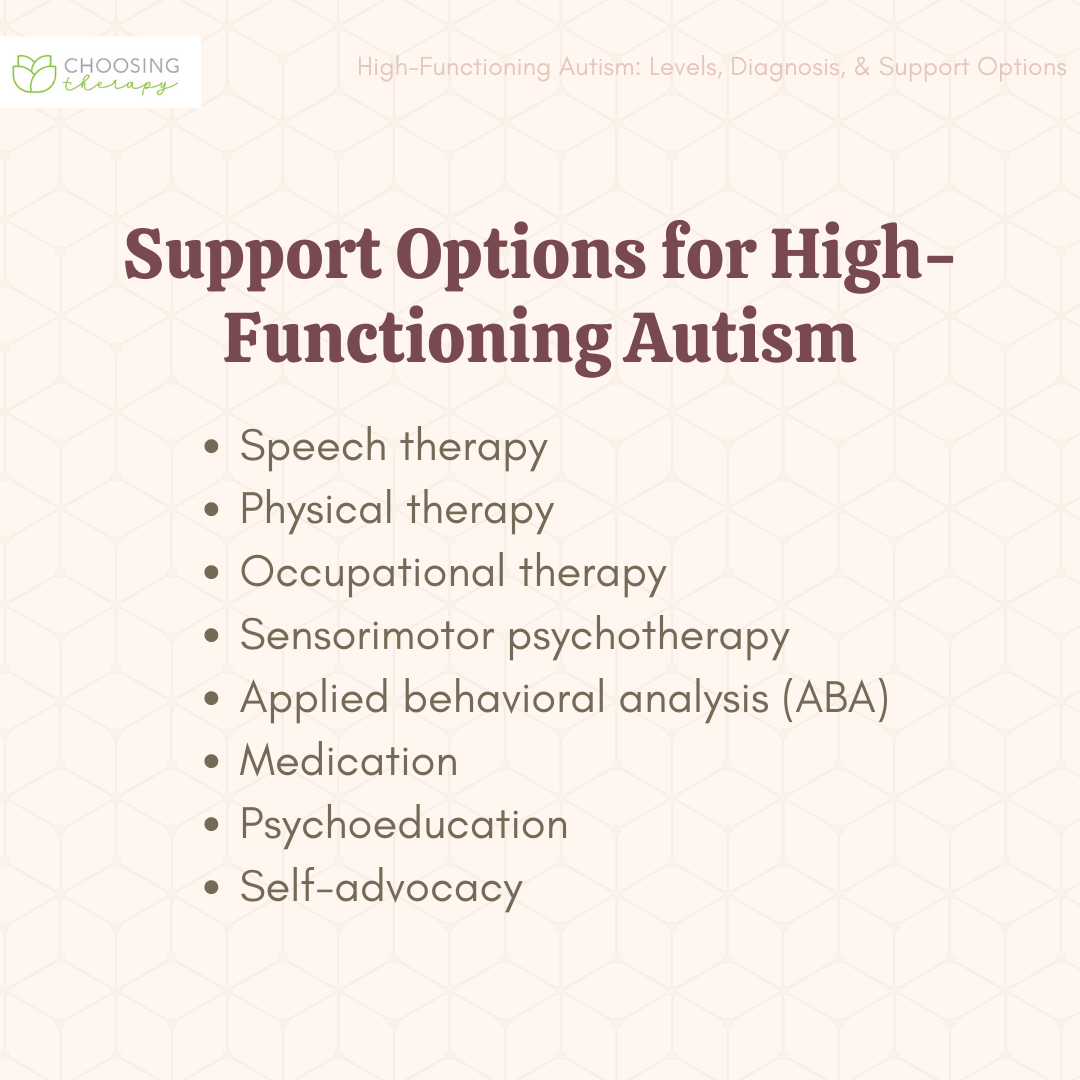
Support for individuals in Level 1 autism must embrace personalization, targeting specific nuances rather than generalized assumptions. Social skills training can facilitate more authentic and spontaneous communication, moving beyond rote interactions. Cognitive-behavioral techniques can aid in managing anxiety and developing adaptive coping strategies.
Moreover, workplace accommodations—such as flexible scheduling, clear instructions, and quiet spaces—can bolster capacity. Encouraging self-advocacy empowers individuals to articulate their needs proactively, fostering autonomy rather than dependence. Importantly, support is not about prescribing limitation but about enabling flourishing within a neurodivergent framework.
Challenging Stigmas: Promoting a Shift in Understanding
Societal perceptions deeply influence the lived realities of individuals with Level 1 autism. The allure of the “high-functioning” label may inadvertently engender unrealistic expectations or dismiss genuine difficulties, thus exacerbating feelings of isolation and frustration.
The conversation must shift towards embracing neurodiversity, valuing different modes of communication, cognition, and interaction as valid variations of human experience. Embracing this paradigm transforms support from mere remediation to celebration of unique strengths paired with respectful accommodation of challenges.
:max_bytes(150000):strip_icc()/What-are-the-three-levels-of-autism-260233-5baab02fc9e77c002c390bd2.png)
Conclusion: Embracing Complexity to Empower Lives
Level 1 autism is not a monolith defined by simplicity or minimal support. It embodies a spectrum within a spectrum, where visible competencies coexist with invisible needs. Recognizing this duality unlocks a more compassionate and realistic approach to support—one that is dynamic, individualized, and affirming.
The reframing of Level 1 autism calls us to transcend reductive labels, inspiring a richer dialogue about the lived experiences of those navigating this part of the spectrum. It invites a thoughtful reassessment of what constitutes “functioning” and “support,” ensuring that the narrative honors both challenge and capability in equal measure.
Ultimately, the promise lies in a world where support is not a marker of limitation but a bridge to greater opportunity and belonging.