Nonverbal communication stands as an intricate and often underappreciated facet within the realm of autism. While verbal exchanges are typically heralded as the cornerstone of human interaction, a profound observation persists: many individuals on the autism spectrum express themselves predominantly through nonverbal means. This phenomenon is not merely a circumstantial alternative to speech but rather a complex, richly textured mode of connection that beckons deeper investigation and understanding. The fascination with nonverbal communication in autism thus unveils a labyrinth of sensory experiences, emotional resonances, and cognitive interpretations that demand thoughtful strategies to foster genuine connection.
The Nuances of Nonverbal Communication in Autism
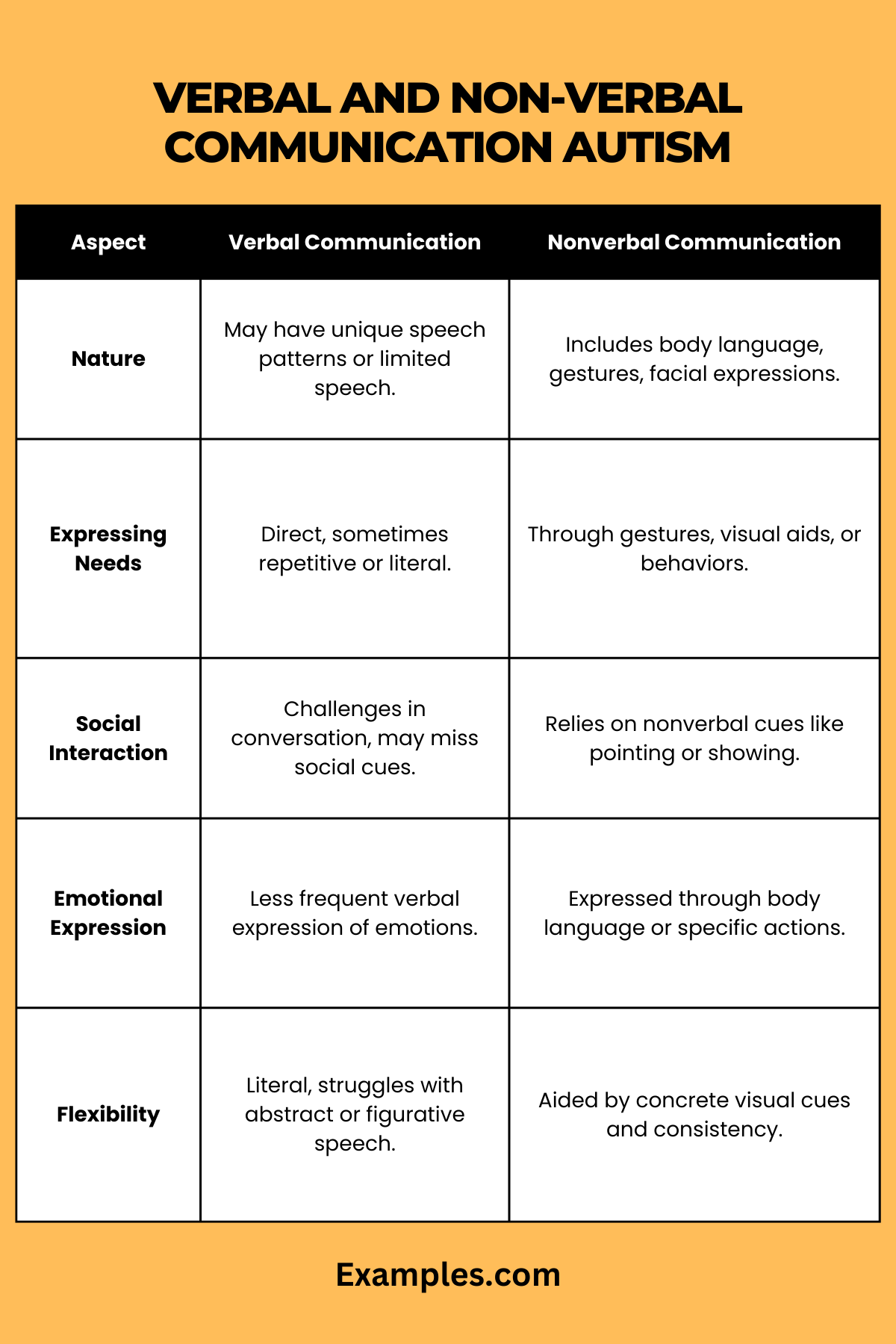
At its core, nonverbal communication encompasses an array of methods including gestures, facial expressions, body language, eye contact, and even the subtleties of vocal tone absent verbal content. In autism, these elements can manifest uniquely, often deviating from neurotypical patterns. Such divergences give rise to misconceptions but also illuminate an alternate communicative landscape that many individuals navigate with profound expressive intent.
For example, avoidance of direct eye contact—commonly perceived as disengagement—may instead represent a strategy to regulate overwhelming sensory input. Similarly, repetitive gestures or movements, sometimes labeled as stereotypies, serve as self-soothing mechanisms or channels for conveying emotional states that words fail to encapsulate. This intricacy underscores that nonverbal communication in autism is less about absence and more about difference, calling for nuanced interpretative frameworks.
Common Observations and Their Subtle Meanings
One of the most frequently noted behaviors in autistic communication is the variation in nonverbal engagement. This includes atypical facial expressions, unconventional proximity preferences, or unique body language that diverges from societal norms. Though these observations may initially seem puzzling, they often reveal profound internal landscapes and adaptative measures tailored to specific sensory sensitivities or social experiences.
Take, for instance, a child who does not smile in expected social contexts. This behavior might be misconstrued as aloofness or disinterest. However, it can signify discomfort or difficulty processing multiple sensory inputs simultaneously. Recognizing these subtleties transforms interpretation from superficial judgment to empathetic engagement.
Strategies to Enhance Nonverbal Connection
Effective communication with individuals on the autism spectrum necessitates deliberate strategies that acknowledge and honor their nonverbal expressive styles. Instead of enforcing neurotypical norms, these approaches emphasize flexibility, patience, and creativity.
One foundational technique is the implementation of visual supports. Symbols, pictures, and written prompts can bridge gaps where verbal language falters. These tools provide concrete reference points that make abstract concepts more accessible.
Another significant strategy involves imitative mirroring. By subtly reflecting an individual’s gestures or posture, communicators can build rapport and trust, creating a shared nonverbal vocabulary. This mirroring technique fosters mutual attunement and serves as a non-intrusive way to engage.
Moreover, understanding and respecting sensory boundaries is paramount. Environmental modifications such as reducing noise, dimming lights, or allowing personal space can alleviate sensory overload, paving the way for clearer nonverbal interaction.
Building Supportive Environments
Creating surroundings that nurture nonverbal communication extends beyond individual interaction to encompass social, educational, and familial contexts. Caregivers and educators equipped with sensitivity to nonverbal cues can tailor engagement methods, thereby fostering inclusivity and reducing frustration.
Structured routines and predictable settings also contribute to a sense of safety, encouraging expression through body language and other nonverbal modalities. Furthermore, embracing technology—like communication apps designed for nonverbal users—adds another layer of accessibility and autonomy.

The Deeper Connection Beyond Words
Exploring nonverbal communication in autism invites a shift in perspective—away from viewing speech as the sole vehicle of connection toward appreciating the myriad channels through which humans express and understand each other. This broader lens reveals the profound capacity for connection that transcends spoken language.
Implicit expressions, nuanced gestures, and sensory dialogues become vibrant tapestries of interaction. They ask us to listen with more than ears—inviting us to see, feel, and intuit the inner worlds of those whose voices may not always be audible but whose messages are no less potent.
Such a paradigm encourages society to embrace alternative forms of communication as equally valid and enriching. It nurtures a culture where differences in expression are not obstacles but gateways to deeper empathy and understanding.
Conclusion
Nonverbal communication in autism challenges conventional notions of interaction and connection. It underscores a compelling narrative of difference imbued with complexity, resilience, and intentionality. Recognizing and responding to these nonverbal cues with thoughtful strategies enables more meaningful engagement and fosters environments where individuals on the spectrum can thrive authentically.
The journey toward connection demands more than observation; it requires a commitment to decode, respect, and celebrate the distinctive language that emerges beyond words. In doing so, bridges are built—not only between individuals but across worlds of experience—and a profound human truth is illuminated: communication is as diverse as the minds and hearts that inspire it.