Parenting an autistic child is a profound journey, marked by unique challenges and incomparable rewards. For those embarking on this path, understanding the multifaceted nature of autism and the tailored strategies required for nurturing development is paramount. This guide serves as a comprehensive roadmap, illuminating the different types of content and insights that can empower caregivers from the outset.
Understanding Autism Spectrum Disorder: The Foundation
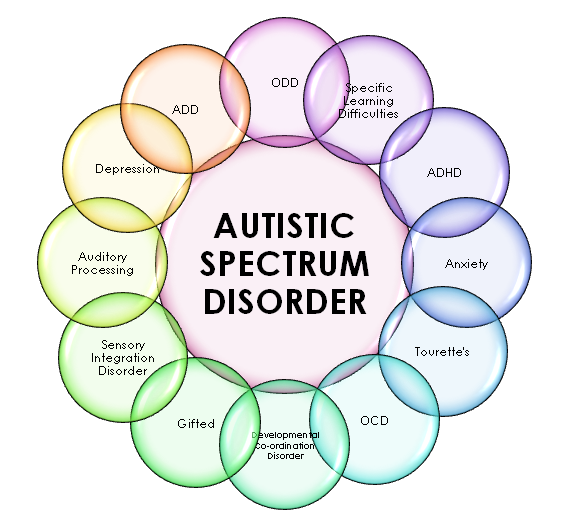
Before delving into parenting strategies, it is essential to grasp the core characteristics of Autism Spectrum Disorder (ASD). Autism is a complex neurodevelopmental condition affecting communication, social interaction, and behavior. Since symptoms and needs vary widely—a hallmark of the spectrum—no single approach fits all. Readers will find content elucidating the clinical facets of ASD, including the nuances of sensory sensitivities, repetitive behaviors, and communication modalities, providing a strong informational bedrock for subsequent parenting approaches.

Early Recognition and Diagnosis: Navigating the Initial Steps
Timely recognition is critical in securing effective interventions. The roadmap includes guidance on identifying early red flags—such as delayed speech, atypical eye contact, or unusual social interactions—and understanding the diagnostic process. This section equips readers with knowledge on various evaluation methods, from occupational therapy assessments to developmental pediatrics consultations. Content often addresses the emotional impact of diagnosis, offering strategies for processing the news and planning a collaborative care approach with professionals.
Creating a Supportive Home Environment
Establishing a safe, predictable, and nurturing home environment sets the stage for growth and learning. Insightful articles focus on environmental adaptations—reducing sensory overload through lighting adjustments, noise reduction techniques, and organizing space for clarity and routine. Readers can expect expert advice on balancing structure with flexibility, punctuated by examples of daily schedules that accommodate an autistic child’s preference for consistency while allowing moments for spontaneous joy.
Developing Communication Skills: Beyond Words
Communication development is a central concern for many parents. Content spanning from augmented and alternative communication (AAC) methods to speech therapy breakthroughs offers hope and practical tools to foster expression. Narrative accounts highlight success stories of children using sign language, picture exchange systems, or technological aids, illuminating the diverse pathways for connection beyond verbal speech.
Behavioral Strategies: Managing Challenges with Compassion
Behavioral patterns can pose challenges, but understanding their roots allows for compassionate management. Articles often explore Applied Behavior Analysis (ABA) principles, while also presenting critiques and complementary approaches that emphasize respect for the child’s autonomy. Readers gain strategies to recognize triggers, implement positive reinforcement, and de-escalate episodes, blending evidence-based practices with empathetic parenting philosophy.
Educational Planning and Advocacy
Education is another critical arena requiring informed decisions and advocacy. Comprehensive guides on Individualized Education Programs (IEPs), collaboration with school personnel, and integrating specialized learning tools provide parents with the confidence to champion their child’s academic journey. This section also underscores the importance of fostering self-advocacy skills in children as they mature, ensuring lifelong empowerment.

Health and Wellbeing: Holistic Approaches
Beyond cognitive and behavioral aspects, holistic health plays a critical role. Content covers nutritional considerations, sleep hygiene, co-occurring conditions, and recreational therapies such as music or art therapy. These multidimensional approaches recognize the interconnectedness of mind, body, and spirit, encouraging parents to cultivate well-rounded wellbeing for their child.
Building a Network: Connecting with Communities and Resources
Parenting an autistic child can sometimes feel isolating, but connection changes everything. Readers will encounter a wealth of information about support groups, online communities, professional organizations, and local resources. This social scaffolding offers emotional sustenance, exchange of practical tips, and advocacy opportunities, reinforcing that families do not journey alone.
Self-Care for Parents: Sustaining the Caregiver
The demands of caregiving necessitate attention to parental self-care. Insightful perspectives address burnout prevention, mindfulness practices, and time management tailored to families of autistic children. Recognizing the parent as a vital participant in the family’s ecosystem fosters resilience and sustained capacity to provide meaningful support.
Celebrating Progress and Embracing Individuality
Finally, this roadmap highlights the importance of celebrating milestones—big and small—while valuing the intrinsic individuality of each child. Content in this vein encourages shifting from deficit-focused narratives to strength-based perspectives, promoting dignity and joy in every stage of development.

Parenting an autistic child requires patience, adaptability, and unwavering love. With informed guidance, structured strategies, and a supportive community, families can navigate complexities and unlock the boundless potential within their children. This roadmap offers a beacon of knowledge and hope, affirming that every step taken is a step towards growth, understanding, and profound connection.