
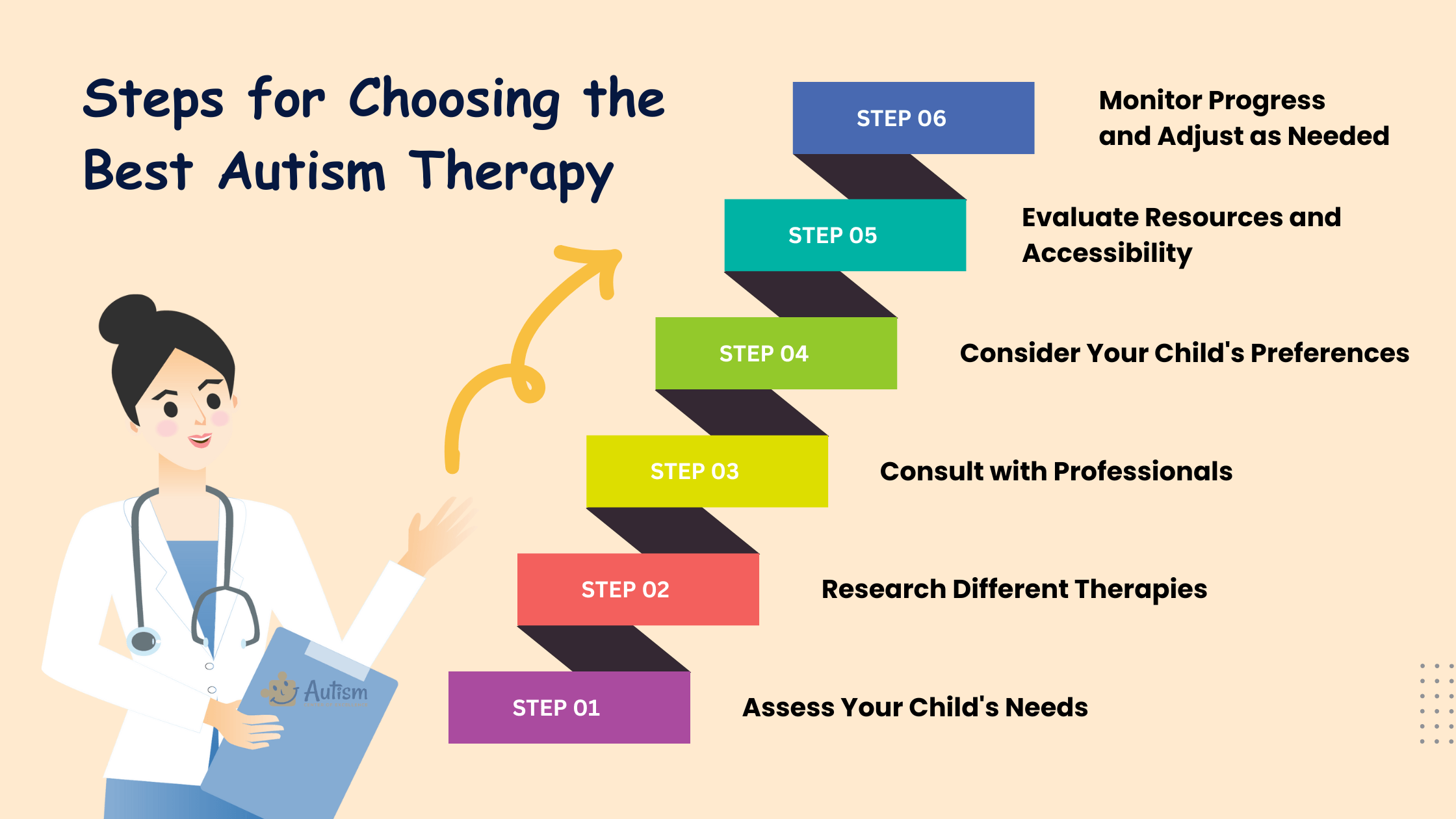
Imagine navigating a vast, intricate labyrinth, where every turn offers new insights and every pathway might lead to profound transformation. Autism therapies resemble this labyrinth—a complex yet navigable terrain where evidence-based approaches act as guiding lights, illuminating the path toward enhanced quality of life and personal growth. Through decades of meticulous research and clinical refinement, certain therapies have emerged not merely as options but as beacons of efficacy, reliability, and hope for individuals on the autism spectrum.
Understanding the Foundations of Evidence-Based Therapies
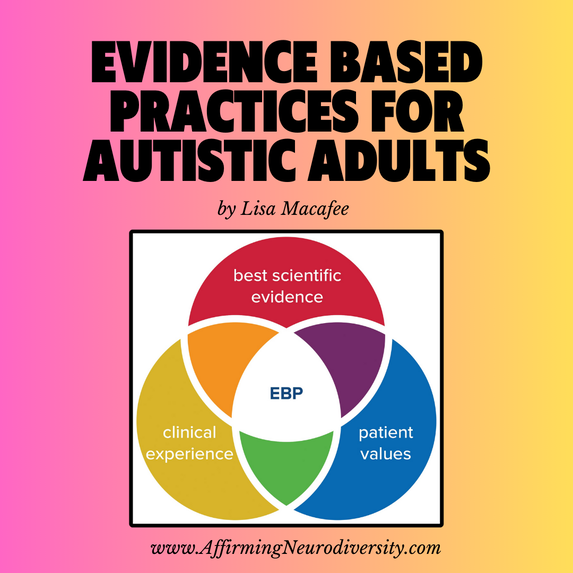
At the heart of effective autism interventions lies the principle of evidence-based practice—a rigorous amalgamation of empirical research, clinical expertise, and individual preferences. This triad ensures that treatments are not whimsical or anecdotal but rooted in substantial, reproducible findings. Evidence-based therapies transcend the realm of conjecture, offering structured methodologies that have proven successful across diverse populations and developmental stages.
The uniqueness of these therapies is their adaptability, tailored meticulously to meet the multifaceted needs of autistic individuals. Just as an artisan chooses precise tools for delicate craftsmanship, clinicians deploy specific treatments calibrated to strengths, challenges, and personal goals.
Applied Behavior Analysis (ABA): The Cornerstone of Structured Intervention
Often regarded as the lodestar among autism therapies, Applied Behavior Analysis (ABA) harnesses the power of behavioral science to shape and reinforce functional skills. ABA breaks down complex behaviors into incremental, manageable components, employing reinforcement strategies akin to a sculptor chiseling a block of marble into a refined statue.
Through systematic observation and data collection, ABA practitioners identify behavior patterns, then implement targeted interventions to increase desirable behaviors while diminishing those that impede social integration or learning. Its empirical robustness grants ABA a unique allure—unwavering in its precision yet infinitely adaptable to individual trajectories.
Speech and Language Therapy: Crafting the Symphony of Communication
Communication is the cadence of human connection, and for many autistic individuals, speech and language therapy orchestrates the delicate symphony necessary for meaningful interaction. This therapy navigates beyond verbal articulation, encompassing nonverbal cues, social communication, and pragmatic language skills.
Utilizing tailored strategies such as augmentative and alternative communication (AAC), speech-language pathologists transform barriers into bridges. Their work often resembles a composer arranging notes into harmonious melodies—each intervention meticulously crafted to resonate with an individual’s unique communicative rhythms.
Occupational Therapy: Sculpting Independence and Sensory Integration
Occupational therapy emerges as a vital nexus where daily living skills meet sensory processing and self-regulation. Its allure lies in enabling individuals to navigate their environment with autonomy and confidence. Therapists weave together activities that enhance motor skills, sensory modulation, and cognitive processing—much like a master weaver intertwining threads to create a resilient tapestry.
By addressing sensory sensitivities, fine and gross motor coordination, and executive functioning, occupational therapy reduces everyday challenges, thereby fostering empowerment in routines such as dressing, eating, and social participation.
Social Skills Training: Navigating the Intricacies of Human Interaction
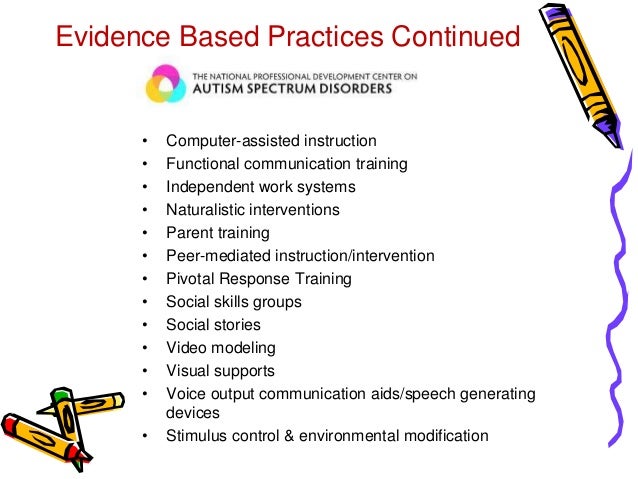
The social world is a labyrinth of subtle cues, unwritten rules, and complex dynamics. Social skills training serves as a compass, guiding autistic individuals through this intricate social maze. This therapy entails role-playing, video modeling, and group activities designed to cultivate empathy, perspective-taking, and conversational fluency.
What distinguishes this approach is its experiential and practical nature—skills are not merely taught but practiced and refined until they become intuitive, weaving seamlessly into social contexts. It is an odyssey of learning to decode and engage with the nuanced language of human relationships.

Cognitive Behavioral Therapy (CBT): Mapping the Terrain of Thoughts and Emotions
For many autistic individuals, the internal landscape of thoughts and emotions can be tumultuous, punctuated by anxiety, frustration, or sensory overwhelm. Cognitive Behavioral Therapy (CBT) offers a cartographic toolset to chart this terrain, enabling individuals to recognize, challenge, and reframe maladaptive thought patterns.
CBT’s evidence-driven protocols facilitate emotional regulation and problem-solving skills, fostering psychological resilience. This therapeutic modality is particularly compelling due to its structured yet flexible framework, empowering individuals to become active architects of their mental well-being rather than passive recipients of care.
Innovations and Emerging Modalities: Embracing Neurodiversity
The landscape of autism therapies is not static; it continually evolves, embracing neurodiversity in its most profound sense. Emerging approaches integrate technology-assisted interventions, virtual reality, and mindfulness practices—each broadening the spectrum of possibilities for engagement and development.
These innovations celebrate the uniqueness of autistic experiences, emphasizing strengths rather than deficits. They reflect an ethos of empowerment, supporting individuals to thrive not by conforming to normative standards but by flourishing within their authentic selves.
The Importance of Individualized Therapeutic Journeys
No labyrinth is identical, and no autistic individual’s journey is the same. The true power of evidence-based autism therapies resides in their capacity to be intricately personalized. Therapy is a dynamic dialogue between practitioner and individual, responsive to evolving needs, preferences, and life circumstances.
This bespoke approach acknowledges that progress is not a linear ascent but a mosaic of breakthroughs, setbacks, and recalibrations. Respecting neurodiversity means honoring these rhythms, ensuring that each therapeutic pathway is as unique as the person it supports.
Ultimately, the best autism therapies are those that illuminate strengths, foster independence, and cultivate connection—guiding individuals through the labyrinth not with rigid prescriptions, but with compassionate, evidence-backed illumination. In this convergence of science and empathy, the promise of meaningful, lasting transformation is forged.












