Have you ever wondered how a simple toy can transform moments of overwhelm into opportunities for focus and calm? Navigating sensory needs and attention challenges in autism can often feel like solving an intricate puzzle. As the landscape of therapeutic tools evolves rapidly, selecting the most effective fidget toys in 2026 presents both a delightful exploration and a potential challenge to caregivers, educators, and individuals alike.
The Evolving Role of Fidget Toys in Autism Support
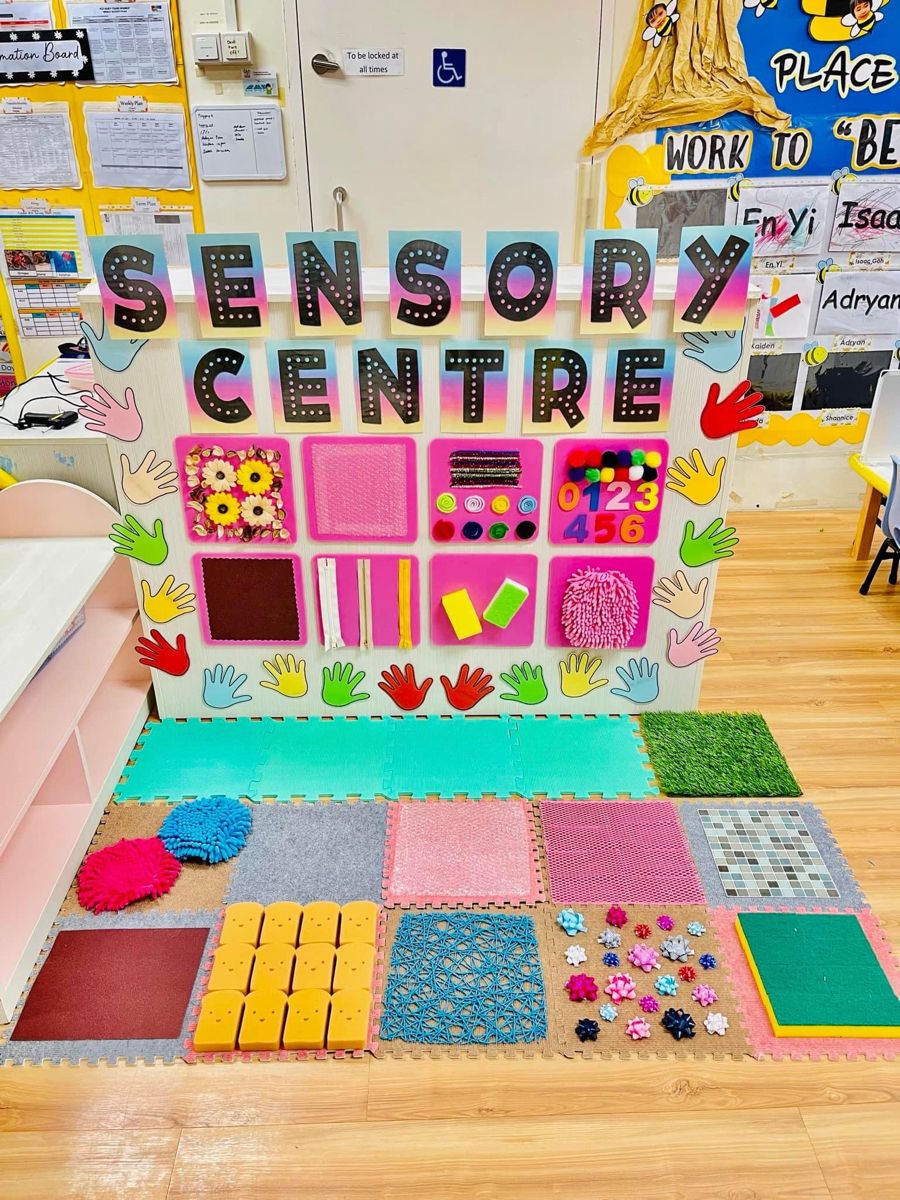
Fidget toys have transcended their playful origins to become indispensable therapeutic aids. They provide more than mere distraction; these tools offer tactile engagement, proprioceptive input, and stress modulation to individuals on the autism spectrum. Their adaptive nature addresses diverse sensory processing differences, which means the “best” fidget toy isn’t one-size-fits-all but rather a personalized companion to each individual’s unique needs.
Amid heightened research and innovation, manufacturers focus on integrating sensory science with imaginative designs. This synergy crafts items that stimulate not only the hands but also cognitive pathways, enhancing concentration and emotional regulation. Such progression encourages a broader acceptance of fidget toys as vital components within educational and therapeutic frameworks.
Key Features That Define Effective Fidget Toys for Autism
What characteristics elevate a fidget toy from a mere gadget to an effective sensory tool? Stability and durability stand foremost—these toys must withstand repetitive use without losing their functionality. Tactile variety is another crucial aspect; textured surfaces, variable resistance, and multisensory feedback can trigger calming responses or alertness depending on the user’s sensory profile.
Portability also influences usability. Small, discreet toys fit seamlessly into classrooms and social settings, ensuring accessibility without drawing undue attention. Ergonomic design, safety elements like non-toxic materials, and ease of cleaning add layers of thoughtful detail that complement therapeutic goals while maintaining practicality.
Innovative Favorites: The Spectrum of Fidget Toys in 2026
In 2026, the roster of fidget toys brims with innovation and versatility. Miniature fidget cubes are particularly lauded for their compactness and multiple interactive features—clickable buttons, spinners, and sliders in one handheld device offer varied sensory inputs within a cohesive unit. These toys address fine motor skills and provide a discreet outlet for nervous energy in classrooms or workplaces.

Another celebrated category is the pop-it style fidget toys, which provide repetitive pressing motions that can quell anxiety and improve tactile engagement. Their brightly colored surfaces and satisfying ‘pop’ sensation invoke both joy and a soothing rhythm for many users. The simplicity of the action coupled with the sensory reward makes them highly effective tools.

Moreover, weighted and textured stress balls offer proprioceptive input, grounding users when sensory overload threatens to disrupt their composure. These tactile companions can be squeezed or rolled, helping to release tension and elevate focus through deep pressure stimulation.
Choosing the Right Fidget Toy: Personalization is Paramount
The challenge often lies not in availability but in discerning which toy aligns best with an individual’s sensory profile and preferences. Consultation with occupational therapists or behavior specialists can guide tailored selections, enhancing therapeutic efficacy. Sensory seekers might gravitate toward highly textured or resistance-based toys, while sensory avoiders may prefer smooth, gentle stimuli.
Trial and error play a substantial role. Introducing a variety of options encourages self-awareness and autonomy in selecting what best supports concentration and emotional equilibrium. Recognizing that sensory needs can fluctuate throughout the day or across environments also invites flexibility in choices, perhaps rotating toys to match shifting requirements.
Integrating Fidget Toys into Daily Life and Learning
Beyond isolated use, fidget toys shine when incorporated thoughtfully into routines. In educational settings, they can be strategically introduced during instruction to harness attention without distraction. Likewise, in home environments, they serve as transitions between activities or coping tools during stressful moments.
Incorporating fidget toys effectively involves setting clear expectations and fostering understanding among peers and caregivers. This approach prevents stigmatization and normalizes their purpose as aids rather than mere playthings. Structured moments of tactile engagement can even catalyze improvements in fine motor dexterity and executive functioning skills over time.
Looking Ahead: The Futurescape of Fidget Toys
As technology intersects with sensory therapy, future fidget toys hint at multisensory interfaces incorporating auditory, visual, and haptic feedback governed by artificial intelligence. Such advancements aim to adapt dynamically to user responses, optimizing engagement and calming effects in real time.
Moreover, inclusivity continues to drive design innovations, emphasizing universal usability that honors diverse abilities and preferences. Environmentally conscious manufacturing also gains momentum, encouraging sustainable materials without compromising the tactile richness that defines successful fidget aids.
Ultimately, the best fidget toys for autism in 2026 represent a harmonious blend of creativity, science, and empathy. They empower individuals by affirming the importance of sensory experiences in communication and learning. As these tools evolve, so does the understanding that even the smallest object can unlock profound pathways to calm, focus, and self-expression.