
Can a restaurant truly cater to every sensory need while still creating a warm and inviting family atmosphere? For families with children who have sensory sensitivities, the dining experience can often be fraught with challenges—from overwhelming noises to unpredictable lighting and intense smells. The struggle to find a welcoming place that embraces these unique needs is real, yet the rise of sensory-friendly restaurants has begun transforming mealtime into a joyous, inclusive occasion. Let’s embark on an exploration of the best sensory-friendly restaurants tailored specifically for families, delving into what makes them special and how they address the nuanced demands of sensory awareness.
Understanding Sensory-Friendly Dining: More Than Just a Quiet Room
At first glance, sensory-friendly dining might evoke images of muted tones and hushed spaces, but it encompasses far more. These restaurants adopt a holistic approach, recognizing that sensory needs vary widely. Consider lighting: flickering fluorescents or harsh bulbs can be disorienting. Instead, many establishments use natural or dimmable LED lighting to create a soothing atmosphere that reduces overstimulation. Sound environments are equally crucial—background music, clattering dishes, and chatter can accumulate into an overwhelming crescendo.
Some restaurants incorporate sound-absorbing materials and designate quieter zones to assist families in managing auditory input. Furthermore, tactile considerations extend to the choice of furniture—soft cushions and anti-slip mats can make a tangible difference. The goal is an environment where every sensory input can be modulated, empowering families to enjoy dining without the pressure of sensory overload.
Designing the Menu: Sensory Considerations on a Plate
What we eat is as significant as the environment where we eat. Sensory-friendly restaurants typically offer menus that are customizable and considerate of texture, smell, and flavor intensity. Foods with overwhelming smells—such as pungent cheeses or heavily spiced dishes—may be limited, while simpler, milder options are amplified to ensure accessibility.
The tactile experience of food is carefully curated: some children with sensory sensitivities prefer crunchy textures, while others seek softer options. Offering diverse preparations of the same item creates flexibility. Additionally, allergen-friendly and ingredient-transparent menus ease anxiety around unknown contents—shedding light on every element that could impact a family member’s sensory or dietary needs.
Ambiance and Comfort: Creating Safe Spaces for Families
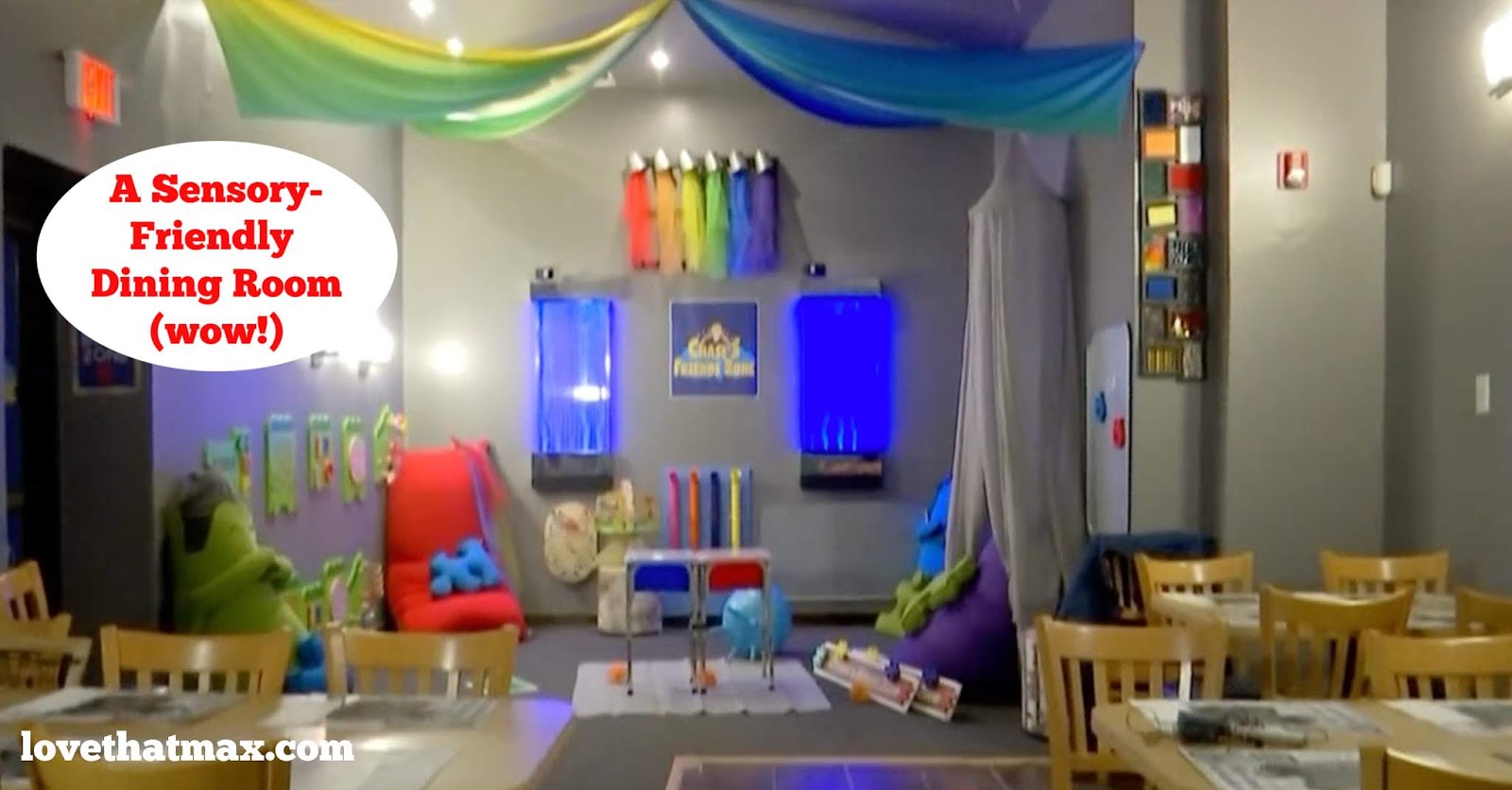
When stepping into a sensory-friendly restaurant, families should feel as though they are entering a haven rather than a challenging gauntlet. The ambiance is orchestrated with intentional calm: pale, neutral colors and an absence of sudden flashing lights eliminate potential triggers. Private dining areas or smaller seating clusters allow families to retreat from the hubbub if necessary.
Some establishments go one step further by incorporating sensory tools—like noise-canceling headphones, fidget toys, or weighted blankets—directly within their space. The objective is to anticipate the sensory needs before they escalate into distress. Crucially, staff training plays a vital role; attentive employees equipped with an understanding of sensory processing challenges contribute profoundly to a supportive dining encounter.

Families at the Forefront: How Restaurants Adapt to Unique Needs
It’s one thing to recognize sensory challenges; it’s another to embed accessibility into the very fabric of the dining experience. The best sensory-friendly restaurants engage families directly through pre-visit consultations or special event nights. Understanding individual requirements allows staff to tailor lighting, seating, or menu options ahead of time, transforming a potentially anxiety-filled outing into a smooth, delightful excursion.
Moreover, some restaurants incorporate sensory storyboards or visual schedules to prepare children for what to expect, reducing unpredictability. This proactive communication fosters autonomy and confidence. Families can thus enjoy the spontaneity of dining out without the looming fear of unexpected sensory bombardment.
Beyond the Table: Sensory-Friendly Features in Family-Friendly Settings
Restaurants that are genuinely family-friendly know that mealtime is just one part of the experience. Many sensory-friendly venues offer supplementary features such as interactive play areas with sensory toys or quiet zones to decompress after eating. These spaces help children regulate sensory input dynamically, shifting between stimulation and calm as needed.
Some dining destinations integrate outdoor seating amid tranquil garden settings, providing the dual benefit of fresh air and natural light. This can be especially beneficial for families managing sensitivities to enclosed spaces. Consequently, the restaurant transcends from merely a place to eat to an enclave of relaxation and joyful connection for all family members.

Conclusion: Redefining the Family Dining Experience
The quest for sensory-friendly restaurants embodies a broader cultural shift towards inclusivity and empathy. Families navigating sensory sensitivities are no longer relegated to limited options; instead, they can discover restaurants that celebrate diversity in every sense. These establishments do more than simply modify environments—they cultivate understanding, comfort, and belonging.
So, is it possible to balance playful energy with sensory calm? The answer lies in the thoughtful design of restaurants that respect and embrace the spectrum of human experience. In these spaces, families can savor not just food, but moments of connection and acceptance. The best sensory-friendly restaurants do not just serve meals—they nurture the very essence of family life.