The journey of autism therapy is a multifaceted odyssey that extends far beyond clinical interventions alone. Central to this journey are parents, whose unwavering involvement shapes the trajectory and outcomes of therapeutic endeavors. This engagement is not passive; it is a dynamic collaboration that demands commitment, understanding, and continual learning. Their role transcends caregiving to become advocates, coordinators, and co-therapists, each function intertwining with professional interventions to cultivate an environment conducive to growth and development.
The Crucial Role of Parental Involvement in Autism Therapy
Parents are indispensable in the therapeutic matrix for children with autism spectrum disorder (ASD). Their observations and daily interactions provide invaluable insights that guide personalized therapy plans. Unlike therapists who engage intermittently, parents offer the constant, lived context in which skills are applied and generalized. This omnipresence allows parents to reinforce targeted behaviors throughout the day, transforming clinical strategies into naturalistic teaching moments.
Moreover, parents serve as emotional anchors. Their consistent encouragement bolsters the child’s confidence and motivation, essential elements often overlooked in clinical settings. The trust and security fostered within the parent-child relationship enable children to navigate challenges with greater resilience, accelerating progress in therapy.
Understanding Different Therapy Modalities and Parental Roles
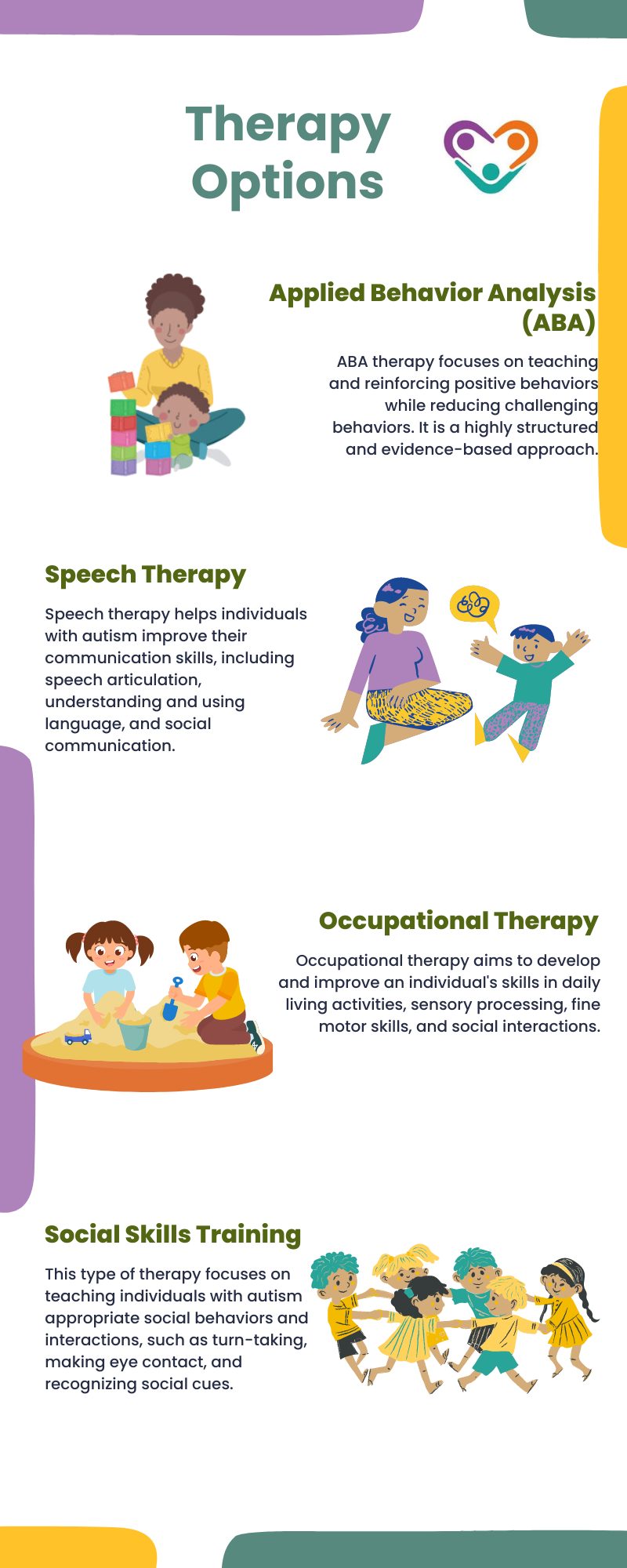
Autism therapy encompasses a spectrum of approaches including Applied Behavior Analysis (ABA), speech therapy, occupational therapy, and physical therapy. Each modality presents unique demands and opportunities for parental participation.
ABA therapy is perhaps the most structured, focusing on behavior modification and skill acquisition through repetitive reinforcement. Parents here act as facilitators, learning techniques from therapists to practice consistently at home. This consistency is paramount; sporadic application diminishes efficacy.
Speech and occupational therapists often incorporate sensory integration and communication strategies that parents can embed into daily routines. Physical therapy emphasizes motor skills and coordination, where parents can encourage exercises through play and everyday activities.

Effective Communication Between Parents and Therapists
The bedrock of efficacious collaboration is transparent, bidirectional communication. Parents must feel empowered to share observations, concerns, and aspirations candidly. Likewise, therapists owe parents clear explanations of goals, strategies, and progress metrics in accessible language devoid of jargon.
This dialogue fosters a unified front, preventing misunderstandings that can derail progress. Regular meetings, detailed progress reports, and open feedback loops are instrumental in maintaining synchronicity. Modern technology facilitates this exchange through teletherapy sessions, shared digital logs, and instant messaging platforms, enabling timely updates and consultations.
Strategies for Parents to Enhance Therapy Outcomes
Active parental engagement requires more than mere presence; it demands strategic approaches to maximize benefit. Here are key strategies:
- Education: Understanding the rationale behind therapeutic techniques empowers parents to apply them effectively and adaptably.
- Consistency: Repetition and routine underpin behavioral learning. Parents should establish predictable environments where therapeutic goals are continuously reinforced.
- Cueing and Prompting: Learning to provide subtle cues or prompts helps the child initiate desired behaviors without reliance on overt commands.
- Positive Reinforcement: Employing appropriate rewards and praise for progress nurtures motivation and self-esteem.
- Self-Care: Parents must guard their own well-being to sustain long-term support. Burnout negatively impacts the therapeutic environment; therefore, respite and mental health care are essential.
Navigating Challenges in the Parent-Therapist Partnership
Collaboration is not always seamless. Differences in opinion on therapeutic priorities or methods can arise. Emotions run high when dealing with complex developmental issues, occasionally leading to friction.
Resolving these challenges requires empathy, patience, and a shared commitment to the child’s best interests. Setting clear expectations from the outset, involving mediators or counselors when needed, and cultivating mutual respect are vital to preserving a constructive alliance.
Empowering Parents as Advocates and Leaders
Parents often transition beyond collaborators to become advocates, championing their child’s needs within educational, medical, and social systems. This advocacy shapes policy, access to services, and community awareness.
Furthermore, many parents become leading voices in support networks, providing peer mentorship and resources to other families navigating autism therapy. This leadership role enhances collective efficacy and reinforces a culture of empowerment within the autism community.
Through knowledge, communication, and resilience, parents can orchestrate a therapy experience that is both holistic and tailored. Their active partnership is the catalyst transforming isolated interventions into comprehensive developmental journeys.
In conclusion, the role of parents in autism therapy is multifaceted and pivotal. The synergy between therapist expertise and parental involvement creates a fertile ground for progress. By embracing collaboration tips such as open communication, educational empowerment, consistency, and advocacy, parents can substantially enhance their child’s therapeutic outcomes. This alliance not only nurtures the child’s growth but also fortifies the family unit, enabling it to flourish amidst the challenges autism presents. Ultimately, these partnerships illuminate a path toward potential actualized and lives enriched.