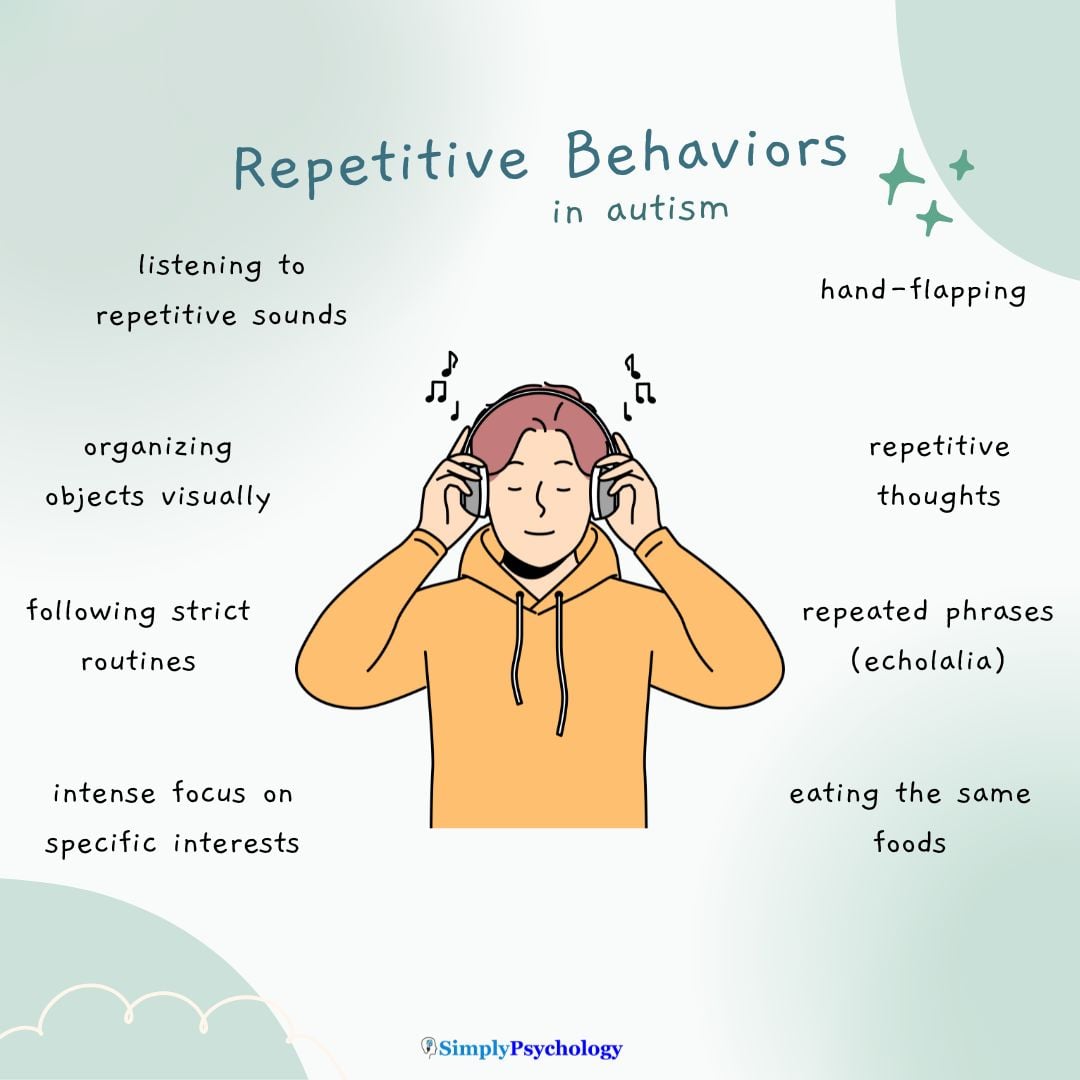
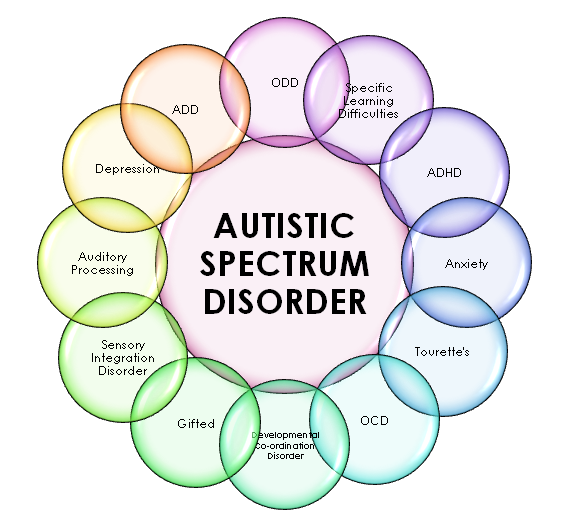
In the vast tapestry of human cognition, autistic thinkers offer a lens uniquely their own—one that promises not only a shift in perspective but also unveils novel ways of interacting with the world. This distinct cognitive framework challenges prevailing norms, inviting a deeper exploration of how perception, processing, and interaction can diverge in fascinating and illuminating ways. To understand the unique vantage point of autistic minds is to embark on a journey that redefines the parameters of typical thought, bursting open the gates to enriched understanding and greater appreciation of neurodiversity.
Perceptual Nuances: A Window into Alternative Realities
Autistic thinkers often experience the world with heightened perceptual acuity that manifests in the form of intensified sensory input. Colors may seem more vivid, sounds more intricate, and spatial arrangements more pronounced. This sensory amplification fosters a richly detailed experiential reality, often overlooked by neurotypical perspectives. Rather than filtering sensory data to ease cognitive load, autistic minds sometimes embrace this flood of information, cultivating an acute awareness of subtleties others might overlook.
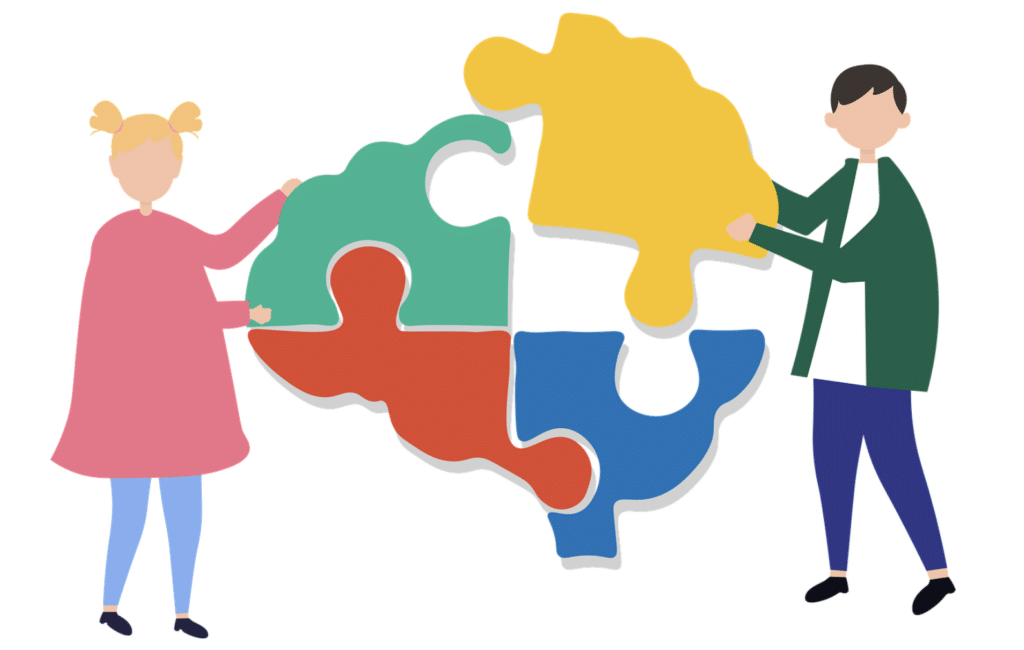
This sensory immersion can lead to profound areas of expertise or passion, as intense focus paired with high fidelity observation enables autistic individuals to discern patterns and connections invisible to others. In essence, the world presents itself not as a blurred abstraction but as a vividly rendered mosaic, each tile contributing indispensably to the holistic vision.
Innovative Cognitive Architectures: The Pulse of Autistic Thinking
One of the most compelling facets of autistic cognition lies in its non-linear and often idiosyncratic processing. Traditional paradigms emphasizing goal-directed thought about social conformity or expedient problem-solving become secondary to the intricate, sometimes circuitous, pathways that autistic thinkers navigate. This divergence is not a deficit but rather a recalibration of priorities—valuing depth, precision, and internal logic over expediency.

These unique cognitive architectures facilitate unparalleled problem-solving approaches. Autistic thinkers are often adept at leveraging systematic, rule-based reasoning while simultaneously exhibiting tremendous imagination when integrating disparate concepts. Their cognitive style exemplifies a duality that blurs the conventional boundaries between analytical rigor and creative abstraction—resulting in solutions that are uniquely elegant and rarely confined by standard frameworks.
The Theory of Mind Reimagined: Social Cognition from a Different Angle
Social cognition traditionally hinges on the concept of “theory of mind”—the ability to infer and interpret the thoughts and emotions of others. While autistic individuals may experience this construct differently, such divergence invites reconsideration rather than pathologization. Rather than an absence or impairment, many autistic thinkers possess alternative social cognitive frameworks based on sincerity, consistency, and explicit communication, rather than implicit social cues.

This recalibrated approach to interpersonal interactions can result in profound honesty and depth, eschewing social pretense in favor of transparency. Moreover, it challenges society’s implicit assumptions about empathy and perspective-taking, urging a more expansive definition that recognizes multiple empathic modalities beyond the neurotypical template.
Fostering Intellectual Creativity: Convergent and Divergent Thinking
Autistic cognition frequently embodies a harmonious blend of convergent and divergent thinking. The intensity of focus nurtures convergent thought—allowing for methodical exploration and mastery within specialized domains. Simultaneously, the propensity for lateral and abstract associations cultivates divergent thinking, fueling original insights and novel syntheses that enrich intellectual landscapes.
This dual capacity ensconces autistic thinkers as innovators, capable of contributing breakthroughs that arise from the confluence of hyper-focus and expansive ideation. Such intellectual creativity underscores how neurodivergence infuses fresh vitality into academic, technological, and artistic endeavors, driving progress that respects both depth and breadth.
Implications for Society: Embracing Neurodiversity as a Catalyst for Growth
To fully appreciate the unique perspective of autistic thinkers is to acknowledge the profound benefits of embracing neurodiversity. Societies that integrate diverse cognitive styles stand to gain in resilience, creativity, and problem-solving capacity. The autistic mind, with its distinct modes of perception and reasoning, possesses inherent strengths that challenge homogenized thinking models.
Inclusion efforts must extend beyond mere accommodation, fostering environments where diverse cognitive approaches are valued and nurtured. This paradigmatic shift not only enhances quality of life for autistic individuals but also expands the intellectual and cultural horizons of communities at large. The promising vistas unveiled by autistic thought invite all of us to reconceptualize what it means to think, feel, and exist together in an ever-evolving social fabric.
In conclusion, the unique perspective of autistic thinkers beckons a transformative shift in how cognition, perception, and social interaction are understood and valued. Far from deficit, autistic cognition embodies a rich and variegated spectrum of potential, offering alternative pathways to insight and connection. Embracing these perspectives not only enriches personal understanding but also invites a broader societal evolution—one where diversity of thought is celebrated as a cornerstone of human ingenuity and empathy.