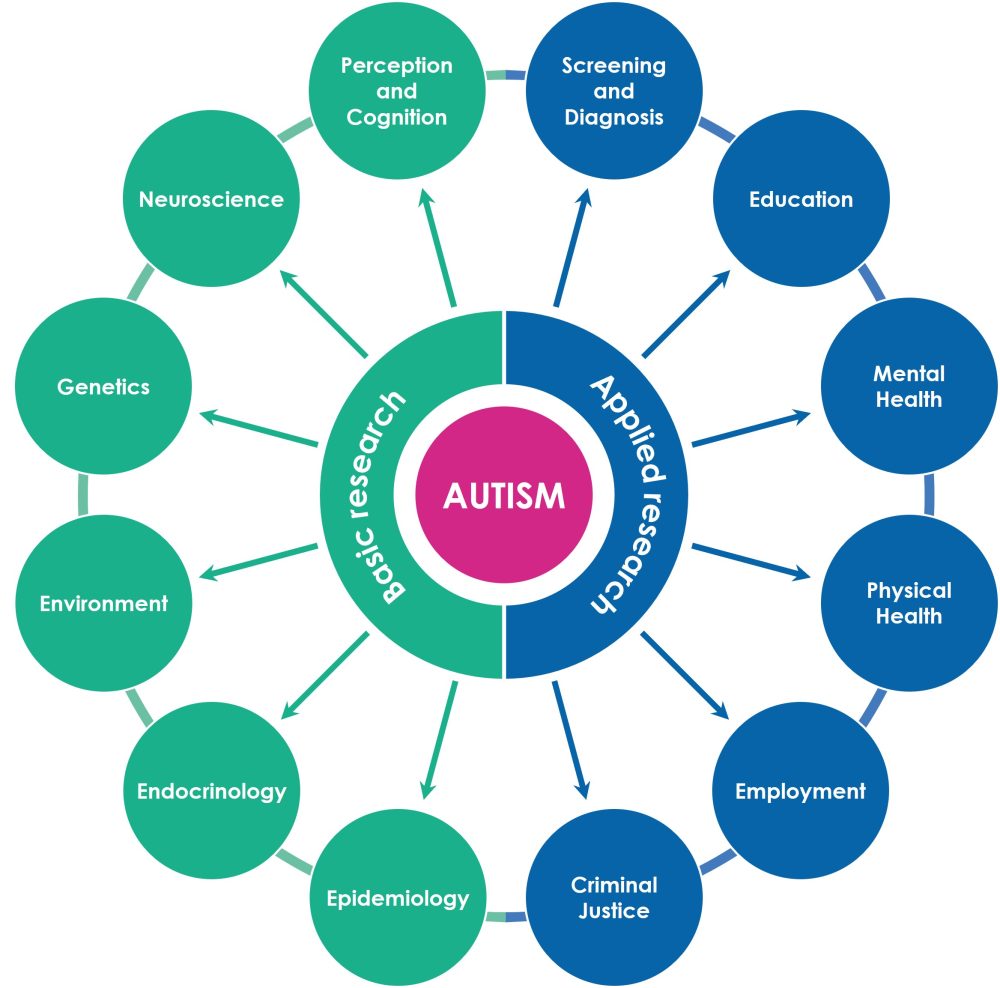
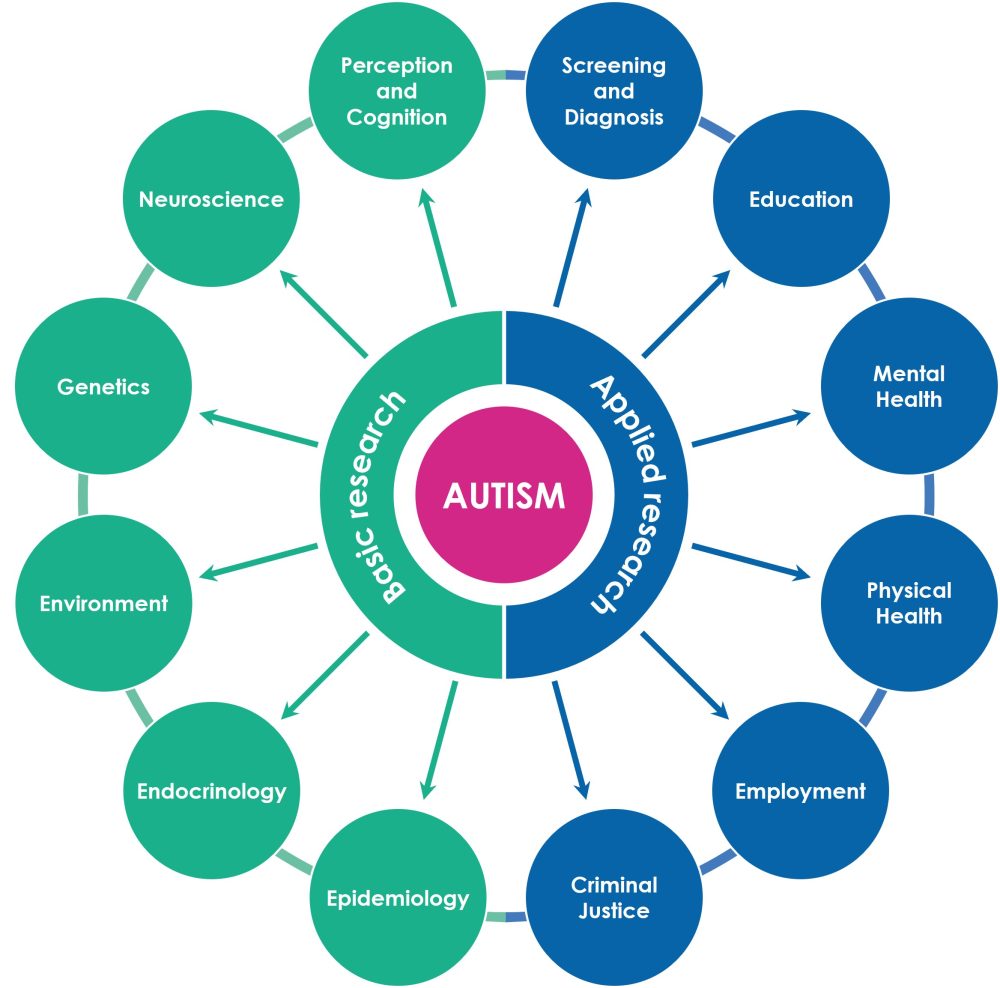
Is it possible that in the ever-evolving landscape of neuroscience and genetics, autism research is on the cusp of a paradigm shift? As scientists peel back the layers of complexity surrounding autism spectrum disorder (ASD), each discovery seems to unravel as many questions as it answers. The intricate interplay of genes, environment, and neural connectivity presents not just a challenge but an opportunity—a chance to redefine our understanding of neurodiversity and human cognition.
Unraveling the Genetic Tapestry of Autism
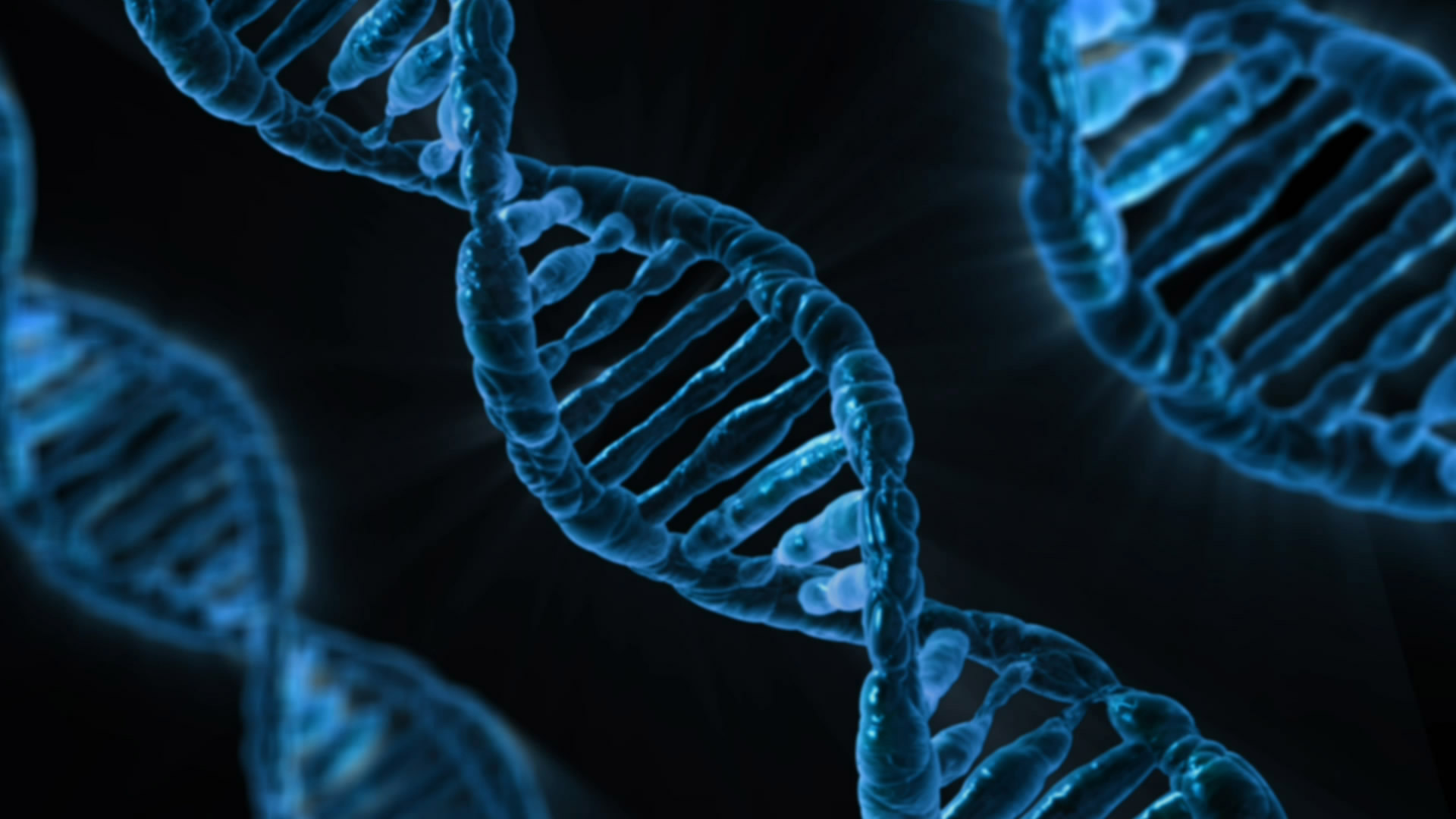
One of the most riveting frontiers in autism research centers around the genetic underpinnings of the condition. Cutting-edge genomic sequencing has illuminated a constellation of genes associated with ASD, spanning from rare mutations to common genetic variants. Researchers have identified that autism is not a monolith but a multi-faceted spectrum influenced by a polygenic architecture. This complexity poses significant challenges: how to decipher the functional consequences of these genetic variations and their interactions?
Recent breakthroughs include the identification of novel gene candidates that influence synaptic development and neural plasticity. The discovery of these genes provides a biological foothold to investigate how atypical neural circuits arise. Additionally, epigenetic modifications—chemical changes regulating gene expression without altering DNA sequences—have surfaced as vital players. These modifications offer clues about how environmental factors might modulate genetic risk, introducing a layer of plasticity to an otherwise static genetic code.
Neural Connectivity and the Brain’s Mosaic
The architecture of the autistic brain reveals a mosaic of divergent connectivity patterns. Neuroimaging technologies, such as functional MRI and diffusion tensor imaging, have charted these deviations with increasing resolution. Instead of uniform hypo- or hyper-connectivity, the autistic brain exhibits region-specific alterations that influence sensory processing, social cognition, and executive functions.
Investigators are mapping these erratic connections to specific behavioral phenotypes, which may eventually lead to personalized intervention strategies. Imagine a future where brain scans guide therapeutic approaches tailored to an individual’s unique neural signature, maximizing efficacy and minimizing trial-and-error.
However, a distinct challenge remains: establishing causality. Are these connectivity patterns a cause or consequence of autistic behaviors? Longitudinal studies tracking neurodevelopment from infancy into adulthood are underway to decipher this complex relationship.
Environmental Influences: The Epigenetic Ballet
Genetics alone do not paint the full picture. Emerging research emphasizes the orchestra of environmental factors that perform a delicate epigenetic ballet influencing autism risk. Prenatal exposures, maternal immune activation, air pollution, and nutritional elements are under scrutiny for their roles in modulating neurodevelopment.
A fascinating aspect of recent studies is how timing—a critical window during gestation—intersects with these environmental pressures. This temporal sensitivity underscores potential preventative strategies. Could mitigating exposure during these windows reduce ASD incidence? The research community is cautiously optimistic but cognizant of the daunting complexity involved.
Innovative Therapeutics: Beyond Symptom Management
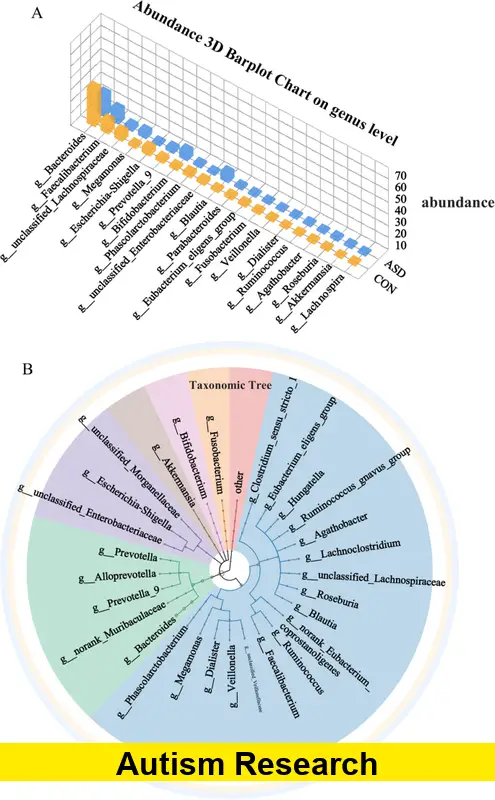
The therapeutic landscape is also shifting, moving beyond traditional behavioral interventions towards precision medicine. Advances in understanding molecular mechanisms have spawned experimental therapies aimed at correcting synaptic dysfunctions. Pharmacological agents targeting neurotransmitter systems, neuroinflammation, and even microbiome alterations are in various stages of clinical trial.
Simultaneously, non-invasive neuromodulation techniques, such as transcranial magnetic stimulation, offer promising avenues to enhance cognitive and social functioning. These innovative approaches embody a holistic vision, blending biological, behavioral, and technological modalities to elevate quality of life.
Challenges and Ethical Considerations
As we leap toward breakthroughs, ethical quandaries loom large. The heterogeneity of autism prompts caution against one-size-fits-all solutions. It raises profound questions about neurodiversity and the definition of ‘normal’ cognition. Researchers and clinicians must balance the imperative to alleviate debilitating symptoms with respect for the identities and experiences of autistic individuals themselves.
Moreover, equitable access to emerging diagnostics and treatments remains a poignant concern. Socioeconomic disparities threaten to widen gaps in care, making inclusion a pivotal pillar in ongoing research endeavours.
Future Directions: Toward a Nuanced Understanding
The horizon of autism research gleams with promise as interdisciplinary collaborations flourish. Artificial intelligence and big data analytics are transforming raw datasets into actionable insights, allowing the identification of subtle patterns undetectable by traditional methods.
Integrating longitudinal behavioral data with multi-omics—encompassing genomics, proteomics, and metabolomics—is a bold but necessary step. This holistic approach strives to construct a dynamic map of autism’s biological and experiential dimensions, propelling us closer to early diagnosis and tailored interventions.
The path forward is intricate and fraught with challenges, yet brimming with potential. Understanding autism through the lens of cutting-edge research not only advances medical science but deepens our appreciation for the neurological diversity that enriches humanity. Each breakthrough is a testament to relentless inquiry, a beacon illuminating the profound intricacies of the human brain and the quest to unlock its mysteries.