Have you ever watched a squirrel dart across the road mid-journey, only to realize it’s the most exciting thing that’s happened in hours? If you’re planning a road trip with a child on the autism spectrum, you might find yourself asking: Is this adventure or endurance? The open road promises freedom, but for many neurodivergent travelers, it also heralds sensory overload, unpredictable transitions, and the ever-present question of whether the next rest stop will have the right kind of snack. Yet, with thoughtful planning and a well-packed arsenal of comforts, a road trip can transform from a daunting odyssey into a journey of discovery—for everyone.
Road trips with autistic children demand more than just a full tank of gas and a playlist of questionable hits. They require a symphony of preparation: understanding sensory triggers, curating a sensory-friendly environment within the car, and designing a route that balances movement with moments of calm. Whether you’re navigating the hum of highway traffic or the sudden silence of a rest area bathroom, every detail matters. This guide will help you map out a trip that respects your child’s needs while keeping the spirit of adventure alive.
Mapping the Journey: Route Planning with Autistic Needs in Mind
Not all roads are created equal, especially when you’re traveling with someone whose experience of the world is deeply personal. The first step is to treat the route itself as a living document—one that evolves with your child’s comfort levels. Start by plotting your journey in segments no longer than two hours, accounting for natural breaks where your child can decompress. Highways with frequent exits may seem efficient, but if your child is sensitive to the sound of semi-trucks or the flicker of road signs, a quieter backroad might be the better choice.
Use mapping tools that allow you to mark points of interest not just for food or gas, but for sensory relief. Libraries, quiet parks, or even empty parking lots can serve as sanctuaries when the car feels too confining. Consider the time of day: early mornings often mean fewer crowds and calmer environments, while midday trips might expose your child to the harshest sunlight and noise. And don’t forget to factor in the “unknown unknowns”—those unpredictable moments when a detour or traffic jam could derail even the best-laid plans. A flexible itinerary isn’t just helpful; it’s essential.

Car Comforts: Crafting a Sensory-Safe Mobile Sanctuary
The car isn’t just a vehicle; it’s a moving sensory bubble, and its design can make or break your trip. Start with seating: if your child prefers deep pressure, a cozy booster seat with side wings can provide a sense of containment. For those who crave movement, a seat with gentle vibration settings might offer just the right amount of stimulation. Noise-canceling headphones or earplugs can be lifesavers on busy highways, but test them beforehand—some children find the muffled silence disorienting.
Lighting is another critical factor. Harsh sunlight streaming through the windows can feel like an interrogation lamp. Tinted window shades or a sunroof cover can soften the glare, while dimmable dome lights allow for gentle illumination during nighttime drives. Temperature control is equally vital; a car that’s too hot or too cold can escalate discomfort quickly. Pack layers of clothing so your child can adjust without fuss, and consider a small, portable fan or heated seat pad for personalized climate control.
Don’t overlook the power of scent. A familiar, calming fragrance—like lavender or vanilla—can anchor your child in the present moment. Use a subtle car diffuser or a scented wristband to carry that comfort throughout the journey. And always, always have a “comfort kit” within arm’s reach: fidget toys, chewable jewelry, or a weighted lap pad can turn a meltdown into a manageable moment.
Packing Like a Pro: The Art of the Autism-Friendly Travel Kit
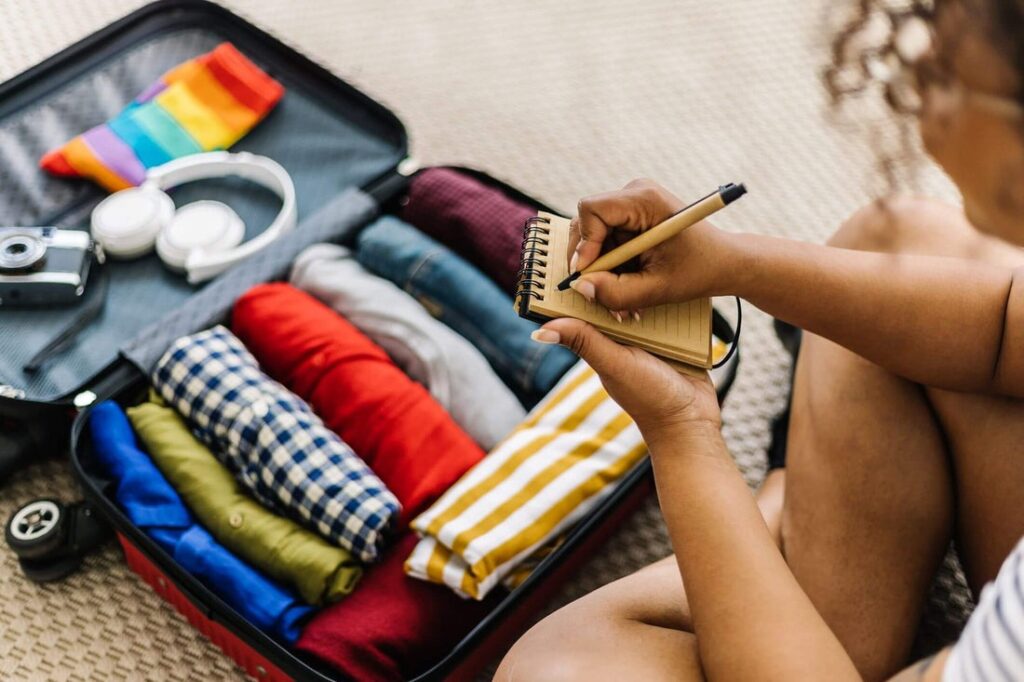
Packing for a road trip with an autistic child isn’t about stuffing a suitcase to the brim; it’s about curating a collection of tools that address every possible need. Begin with the basics: snacks. But not just any snacks—think crunchy, chewy, or melt-in-your-mouth options that cater to sensory preferences. Avoid messy foods that could stain or cause distress, and pack extras in case of spills or forgotten items. Hydration is key, but if your child is sensitive to temperature, consider insulated bottles that keep water cool or warm.
Clothing should be layered and adaptable. Tagless shirts, seamless socks, and fabrics that don’t itch can prevent tactile triggers. Include a change of clothes in case of spills or accidents, and pack a favorite outfit for those moments when comfort is non-negotiable. Toiletries are another critical category: wet wipes for quick cleanups, a portable bidet for hygiene on the go, and a familiar-smelling soap or lotion to maintain a sense of routine.

Entertainment should be carefully curated. Avoid overstimulating screens; instead, opt for low-tech options like audiobooks, podcasts, or a tablet loaded with favorite shows downloaded for offline viewing. Books with flaps, puzzles, or sticker activities can provide tactile engagement without the glare of a screen. And don’t forget the power of novelty: a “surprise bag” of small, wrapped toys or activities can reignite interest when boredom sets in.
Navigating the Unexpected: When Plans Go Off the Rails
Even the most meticulous road trip can veer into uncharted territory. A traffic jam, a sudden storm, or an unplanned detour can test anyone’s patience. The key is to reframe these moments not as failures, but as opportunities to practice flexibility. Keep a “calm-down kit” in the car: noise-canceling headphones, a favorite stuffed animal, or a stress ball can help reset your child’s nervous system. If a meltdown occurs, pull over in a safe spot and allow time for recovery—sometimes, the best solution is to pause and regroup.
Unexpected delays can also be a chance to explore new environments. If you’re stuck in a small town, seek out a quiet park or a local library. If the weather turns, use the downtime to play a game or tell stories. The goal isn’t to stick rigidly to the plan, but to adapt in ways that honor your child’s needs. And remember: it’s okay to shorten the trip if it’s too much. The journey isn’t about the miles covered; it’s about the moments shared.
Returning Home: The Post-Trip Transition
As the road trip draws to a close, the transition back to daily life can feel abrupt. The sensory input of the car, the excitement of the journey, and the sudden stillness of home can create a sensory whiplash. Ease the shift by maintaining some elements of the trip’s routine—perhaps a favorite snack or a calming activity—before diving back into the familiar. Use visual schedules or social stories to prepare your child for the return, helping them process the experience in a way that feels safe and structured.
Take time to reflect on what worked and what didn’t. Did certain snacks cause distress? Was the seating arrangement ideal? Use these insights to refine your approach for future trips. And don’t forget to celebrate the small victories: a smooth drive, a moment of joy, or simply making it to the next rest stop without a meltdown. These are the milestones that matter.
Road trips with autistic children aren’t about perfection; they’re about connection. They’re about finding joy in the journey, not just the destination. With patience, preparation, and a willingness to adapt, the open road can become a place of adventure, discovery, and even peace. So buckle up, take a deep breath, and let the journey begin.