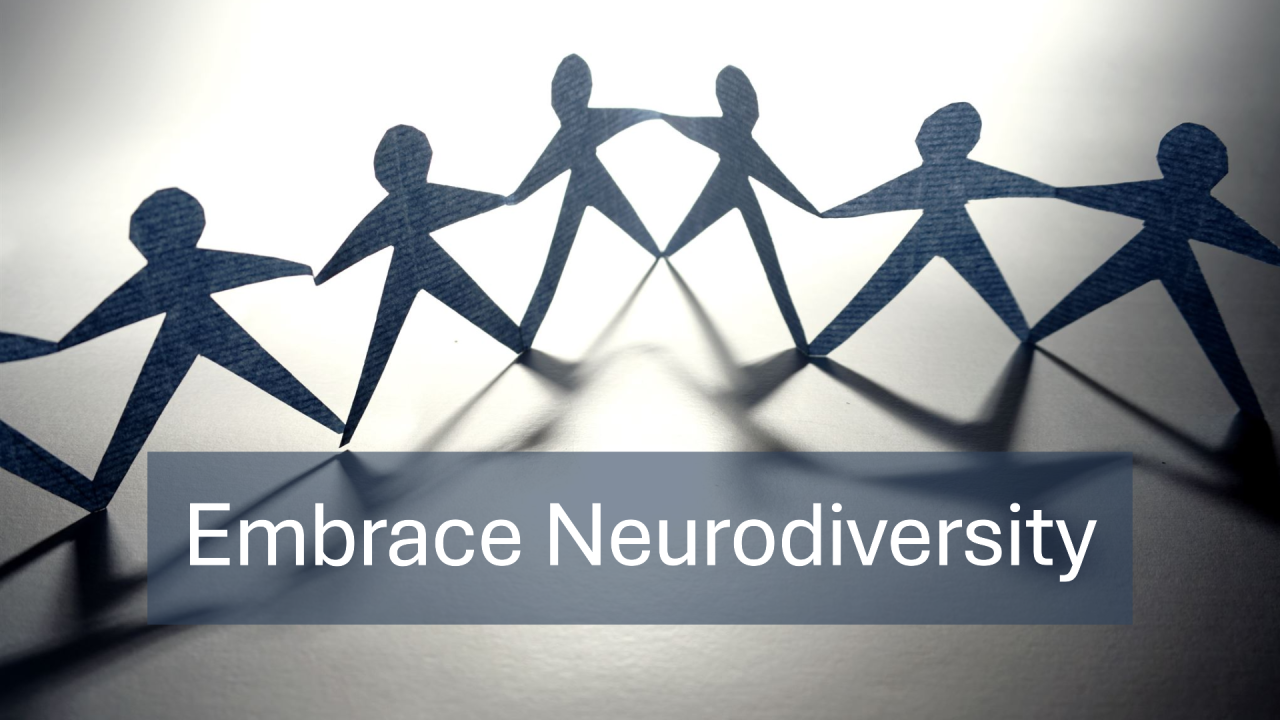
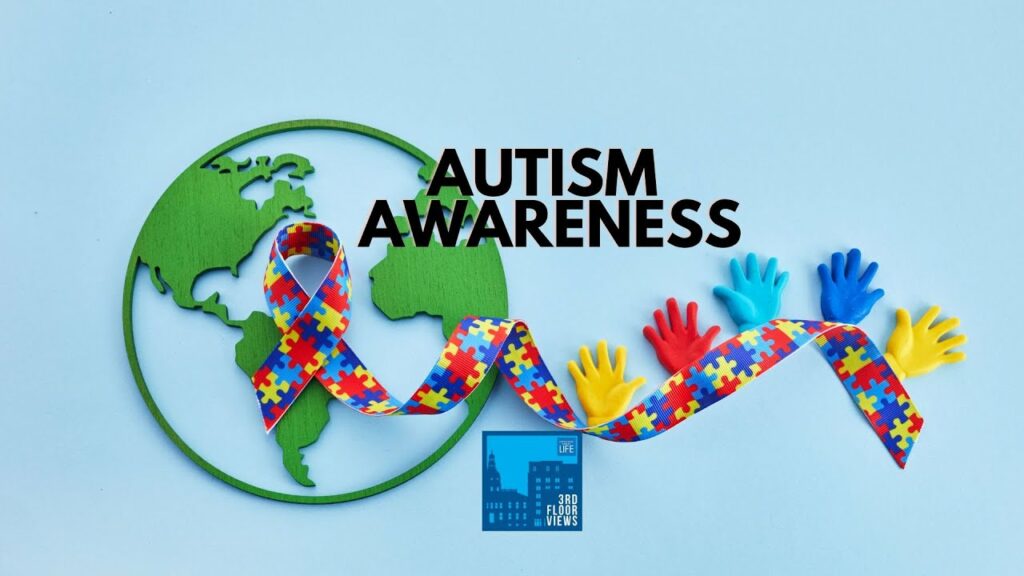
In contemporary discourse surrounding autism, the distinction between awareness and acceptance has emerged as a pivotal theme. While awareness initiatives have traditionally dominated the conversation—highlighting the basic recognition of autism—there is a compelling argument that acceptance transcends mere acknowledgment, weaving a more profound narrative of understanding, inclusion, and empowerment. This shift from awareness to acceptance marks a transformative evolution in how society perceives and interacts with autistic individuals, fostering environments that champion respect and celebrate neurodiversity.
The Limitations of Autism Awareness
Autism awareness predominantly focuses on educating the public about what autism is, often boiling the condition down to a checklist of symptoms, behaviors, or traits. While this pedagogical approach raises visibility, it sometimes engenders a superficial understanding. Awareness campaigns can inadvertently contribute to stereotyping or fear by emphasizing deficit-based perspectives, portraying autism as something to be fixed or pitied rather than a natural variation of human neurology.
Moreover, awareness does not necessarily translate into meaningful change. Many people might recognize the term “autism” or identify a few associated behaviors but remain ill-equipped to engage meaningfully with autistic individuals or advocate for systemic accommodations. This creates a chasm between knowledge and empathy—awareness may inform the mind, but it does not always touch the heart.
Understanding Autism Acceptance: A Paradigm Shift
Autism acceptance is, by contrast, a paradigm that emphasizes embracing autistic individuals fully and without reservation. It demands that society moves beyond passive recognition towards active inclusion. Acceptance validates the experiences and identities of autistic people, promoting respect for their unique ways of communicating, learning, and interacting with the world.
At its core, acceptance is fundamentally about human dignity. It defies stigmatization and challenges societal norms that marginalize neurodivergent individuals. This approach encourages environments—whether educational, professional, or social—to adapt and accommodate diverse needs. Acceptance fosters empowerment by valuing difference as a contribution rather than a deficit.
The Social and Cultural Impact of Acceptance
Embedding acceptance into societal frameworks yields profound benefits beyond individual interactions. When communities embrace acceptance, policies become more inclusive, services more accessible, and cultural narratives more enriched. Such environments encourage autistic individuals to flourish without masking or suppressing authentic behaviors.
This cultural transformation helps dismantle long-standing prejudices, nurtures empathy, and redefines success on more diverse and equitable terms. Acceptance promotes recognition of the social model of disability, which highlights that barriers arise largely from environmental and attitudinal obstacles rather than the neurological differences themselves.
Why Acceptance Enhances Quality of Life
Research and lived experiences both underscore that acceptance plays a critical role in enhancing the quality of life for autistic people. When individuals feel accepted, their self-esteem improves, anxiety often diminishes, and social participation increases. Supportive networks rooted in acceptance can significantly mitigate the mental health disparities often observed in the autistic community.
Acceptance also encourages tailored support rather than generalized interventions. Rather than attempting to “normalize” behaviors, it promotes strategies that honor individuality. This shift enables personal growth and fulfillment, empowering autistic people to pursue their goals on their own terms.
Content Readers Can Expect: A Holistic Exploration
Readers seeking insight into why autism acceptance supersedes awareness will encounter a nuanced exploration that interlaces scientific perspectives, personal narratives, and advocacy philosophies. The content provides:
- In-depth analyses of the sociocultural ramifications of shifting paradigms from awareness to acceptance.
- Illustrative case studies highlighting the lived experiences of autistic individuals and communities.
- Discussions on policy and systemic change influenced by acceptance-oriented frameworks.
- Practical recommendations for fostering inclusive environments at home, work, and in public spaces.
- Critical reflections on common misconceptions that still permeate public discourse.
Such comprehensive coverage empowers readers not only to understand the conceptual distinction but to internalize the profound implications acceptance holds for advocacy and societal progress.
The Role of Language and Representation in Acceptance
Language wields immense power in shaping perceptions. Acceptance-driven dialogue champions identity-first language (e.g., “autistic person”) when embraced by individuals, emphasizing pride and self-identification rather than distancing. This contrasts with terminology that may unwittingly marginalize or pathologize differences.
Moreover, media portrayal is instrumental in promoting acceptance. Authentic representation of autistic people in film, literature, and journalism conveys the richness of their experiences, challenging reductive stereotypes. Emphasizing diversity within the spectrum dismantles monolithic views and cultivates respect for complexity.
Challenges to Widespread Acceptance and How to Overcome Them
Despite the clear merits of acceptance, barriers persist. Societal fear of the unknown, entrenched biases, and misinformation can hinder progress. Additionally, some well-intentioned awareness campaigns might inadvertently reinforce outdated assumptions.
Overcoming these obstacles requires concerted effort—education grounded in autistic voices, inclusive policymaking, and a commitment to reframe narratives from deficit to diversity. Allies play a crucial role in amplifying autistic perspectives and fostering community dialogues that prioritize acceptance.
Conclusion: Embracing Acceptance for a More Inclusive Future
Ultimately, autism acceptance embodies an ethos that surpasses recognition, advocating for a world where autistic individuals are valued, respected, and empowered to thrive unapologetically. It is an invitation to move from passive knowledge to active compassion, recognizing that every human mind offers unique ways of experiencing reality.
The journey toward acceptance calls for reflection, adaptation, and unwavering commitment. It beckons society to dismantle barriers—both visible and invisible—and to build bridges of understanding anchored in empathy and justice. By prioritizing acceptance over mere awareness, we pave the way for transformation not only in the lives of autistic individuals but in the fabric of society itself.