Have you ever wondered why so many autistic individuals find comfort in the predictable rhythm of their daily routines, almost as if their lives dance to a carefully choreographed beat? What is it about structure and consistency that transforms from mere preference into an essential lifeline? Exploring this curiosity reveals a profound interplay between neurological wiring and environmental demands, posing challenges and opportunities alike.
The Neurological Architecture Behind the Need for Structure
Autism spectrum disorder (ASD) is characterized by distinct neurodevelopmental variations that influence perception, cognition, and behavior. One salient feature often observed is an intrinsic preference for routine and predictability. The divergent neural pathways involved in sensory processing and executive functioning can render an unpredictable environment overwhelming or disorienting. This aversion to unpredictability arises not simply from a preference but often as an adaptive mechanism to reduce cognitive overload.
Consider the executive functions—mental skills responsible for planning, flexibility, and impulse control. In many autistic people, these functions may be less fluid, engendering difficulties with spontaneous changes or unexpected events. Structured routines act as scaffolding, providing a framework that mitigates the constant need for on-the-spot decision-making, thus preserving cognitive resources.
Consistency as a Sanctuary Amidst Sensory Sensitivities
Beyond cognitive considerations, sensory sensitivities play a significant role in the preference for consistency. The sensory environment can be a cacophony of stimuli—sounds, lights, textures—many of which are perceived with heightened intensity. A consistent routine reduces the encounter with novel, potentially overwhelming sensory inputs, creating a reassuring predictability.
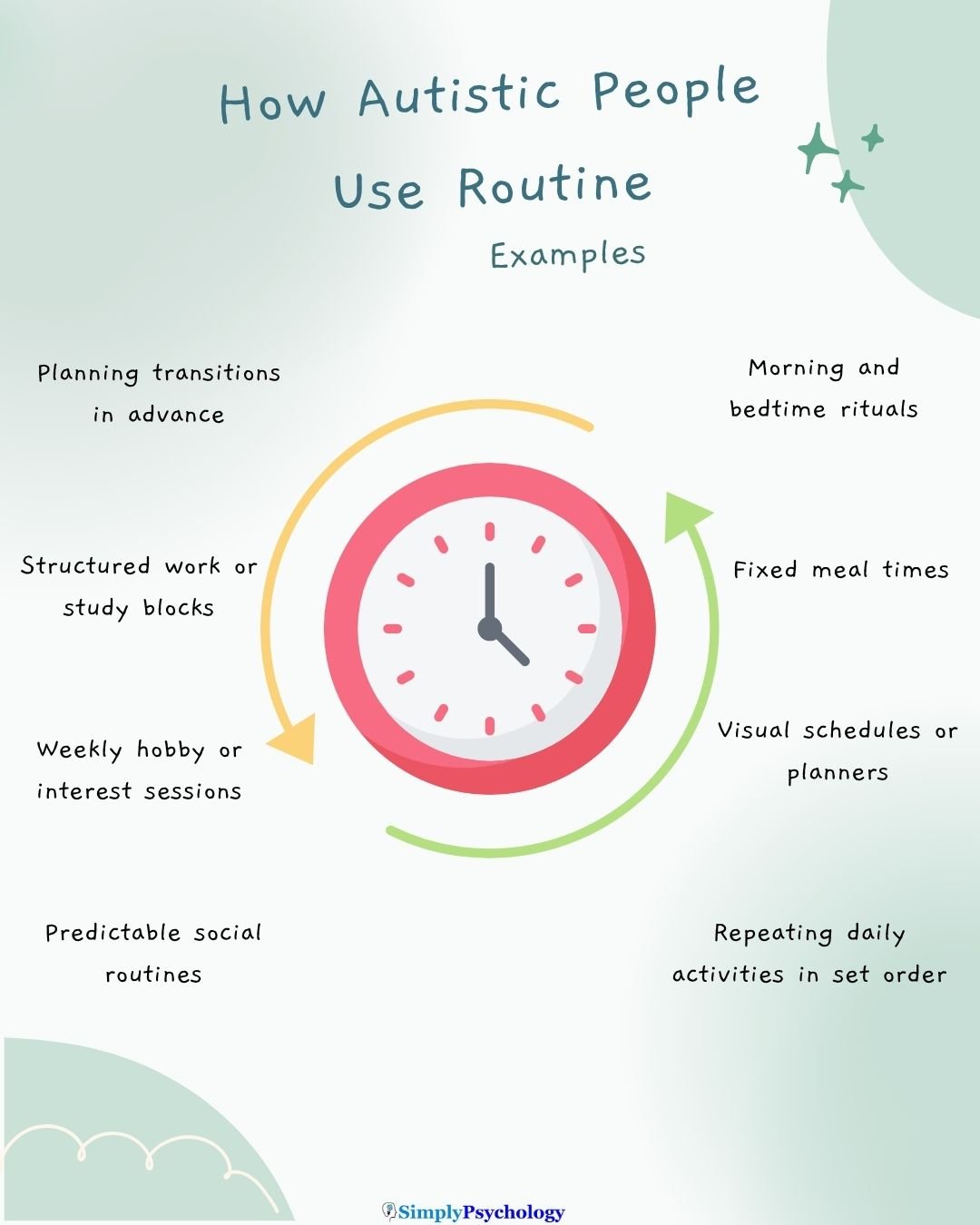
For example, adhering to a familiar morning schedule can help limit unexpected sensory bombardment that might occur with a sudden change in environment or activities. In this way, structure not only organizes tasks but also acts as a buffer against sensory distress, fostering a sense of safety that is integral to emotional regulation.
Emotional Stability Through Predictable Patterns
Emotions often mirror our surroundings. For autistic individuals, unpredictability can precipitate heightened anxiety or stress, as the brain attempts to reconcile new information without the usual preparatory cues. Consistent patterns imbue a sense of control and mastery, which is foundational for emotional stability.
Imagine the distress of encountering an unannounced detour in the middle of a regular route. Such disruptions may amplify feelings of helplessness or frustration. Conversely, when one can anticipate and prepare, it fosters resilience and eases emotional turbulence. Predictability, therefore, does not merely simplify schedules but nurtures a psychological oasis in a world that may otherwise seem refractive and capricious.
The Role of Routine in Enhancing Learning and Skill Development
Structure extends its influence into learning and personal growth. Predictable routines offer repeated opportunities for practice, crucial for skill mastery. Autistic learners often benefit from clear, consistent expectations where repetition consolidates understanding and reduces ambiguity.
In educational and therapeutic contexts, a structured environment enables focused attention and incremental progress, minimizing extraneous distractions. This systematic approach can transform learning from a bewildering maze into a navigable path. Structured schedules delineate time for varied activities—academic, social, leisure—ensuring balanced development and reducing cognitive fatigue.
Challenges of Rigidity: Navigating Flexibility Within Structure
While consistency provides essential scaffolding, an overemphasis on rigidity can introduce its own complexities. The steadfast adherence to routine may limit adaptability, posing challenges in dynamic social or work environments. Developing flexible thinking, therefore, is a complementary objective within structured support.
Striking a balance involves introducing predictable variations that gradually build tolerance for change. This nuanced approach empowers autistic individuals to engage confidently with the world’s inherent uncertainty without sacrificing the comfort derived from known patterns. The interplay between stability and flexibility is delicate but paramount in fostering autonomy.
Structure in Healthcare and Social Settings: A Crucial Consideration
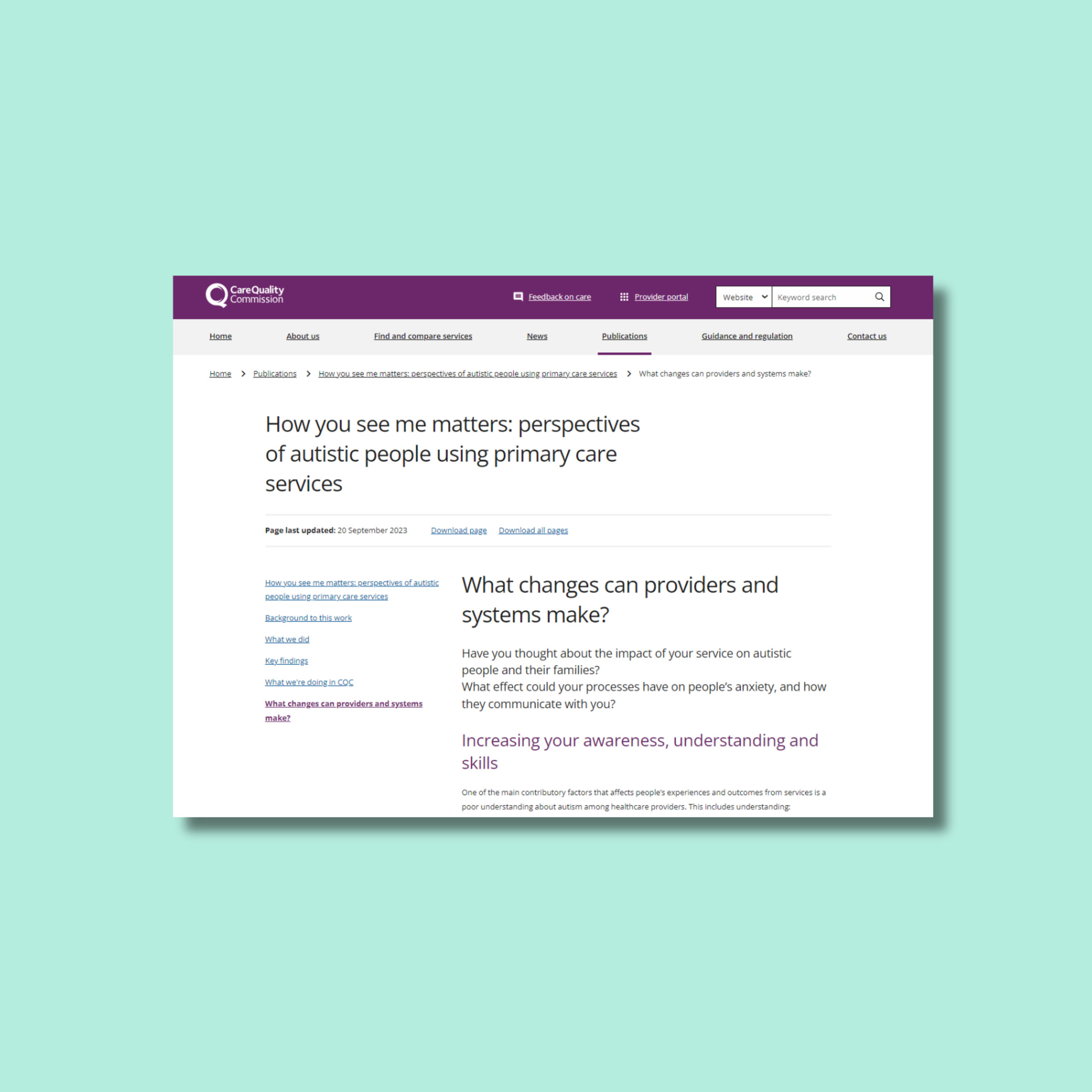
The environments in which autistic individuals receive services—such as healthcare and social support—must heed the importance of structure. Predictable procedures, clear communication, and advance preparation can significantly alleviate stress and enhance engagement. Inconsistent or opaque processes risk escalating sensory and social misunderstandings, undermining care quality.
Integrating the principles of consistency within these settings affirms respect for neurodivergent needs, improves cooperation, and ultimately results in better outcomes. This commitment to structured accommodations exemplifies how understanding and environment collaboratively shape experiences.
Conclusion: Embracing Structure as a Gateway to Empowerment
The preference for consistency among autistic individuals transcends a mere fondness for routine—it is a vital mechanism that aligns with neurological function, sensory processing, emotional equilibrium, and cognitive efficiency. Structure acts as a protective architecture, providing clarity amid chaos and facilitating growth within a supportive framework.
Recognizing and honoring these needs enables families, educators, healthcare providers, and communities to cultivate environments where autistic people can thrive authentically. Rather than viewing structure as a constraint, embracing it as an empowering conduit unlocks potential and fosters well-being in a complex, ever-changing world.