The gentle undulation of water against skin, the muffled hum of a pool’s echo, the buoyant resistance that cradles the body—these sensations form the foundation of aquatic therapy, a modality that has quietly transformed the landscape of autism intervention. For many autistic individuals, water is not merely an element; it is a sanctuary, a sensory regulator, and a catalyst for connection. The fascination with water, often observed in early childhood, transcends mere preference; it reflects a deep-seated affinity for the properties of buoyancy, temperature, and rhythm that water uniquely provides. This affinity, when harnessed through structured aquatic therapy, can unlock pathways to improved motor coordination, emotional regulation, and social engagement that traditional therapies may struggle to access. The interplay between water’s physical properties and the neurodivergent experience reveals a compelling narrative—one where the pool becomes more than a space for exercise, but a medium for profound therapeutic transformation.
The Sensory Symphony of Water: Why Autistic Individuals Are Drawn to Aquatic Environments
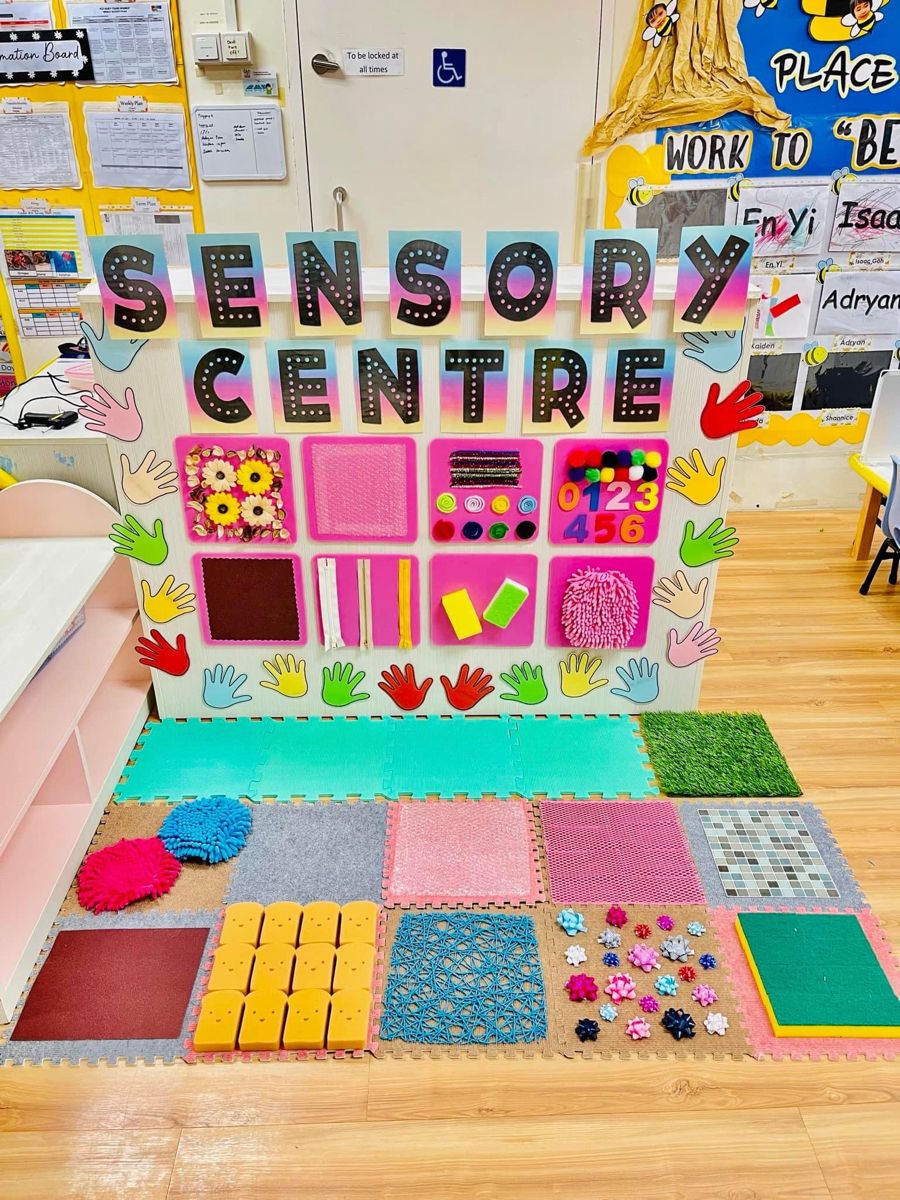
Water possesses an unparalleled capacity to modulate sensory input, a feature that holds particular significance for autistic individuals who often experience the world through heightened or diminished sensory channels. The tactile feedback of water—cool, weightless, and enveloping—can soothe overstimulated nervous systems, while the rhythmic lapping of waves provides a predictable, almost meditative cadence. This sensory harmony is not merely pleasurable; it is neurologically grounding. The vestibular system, responsible for balance and spatial orientation, thrives in aquatic environments where movement is fluid and resistance is gentle. For those who struggle with proprioceptive challenges, the water’s buoyancy reduces gravitational pull, allowing for freer, more confident motion. The result is a paradox: water simultaneously calms and invigorates, offering a rare equilibrium where sensory overload dissipates into a state of serene focus.
Consider the child who avoids crowded playgrounds yet splashes endlessly in a bathtub, or the adolescent who finds solace in the rhythmic strokes of swimming laps. These behaviors are not random; they are intuitive adaptations to an environment that aligns with their sensory needs. Water’s ability to dampen extraneous noise, diffuse bright light, and provide a contained space for exploration makes it an ideal medium for autistic individuals to engage with the world on their own terms. The fascination with water, then, is not a mere quirk but a subconscious recognition of its therapeutic potential—a primal understanding that the body and mind find harmony within its depths.
Aquatic Therapy as a Bridge: Motor Skills, Coordination, and Confidence
Beyond its sensory allure, aquatic therapy serves as a dynamic tool for developing motor skills, coordination, and physical confidence in autistic individuals. The resistance of water, though gentle, provides constant feedback to the muscles, strengthening core stability and improving gait without the pressure of land-based exercises. For those with hypotonia (low muscle tone), the buoyancy of water reduces the strain on joints, allowing for movements that might otherwise be fatiguing or unachievable. Conversely, individuals with hypertonia (high muscle tone) benefit from the water’s ability to relax spastic muscles, promoting fluidity in motion.
The pool’s three-dimensional space also encourages cross-body coordination and bilateral integration—skills that are foundational for activities like writing, dressing, and even social interaction. When a child learns to coordinate their arms and legs in a swimming stroke, they are not just building physical strength; they are refining neural pathways that govern movement and perception. The water’s resistance forces the brain to process multiple sensory inputs simultaneously, fostering neural plasticity and adaptability. Over time, these gains in motor control can translate to improved posture, reduced clumsiness, and a greater sense of bodily autonomy—factors that contribute significantly to an individual’s self-esteem and willingness to engage with the world.
Moreover, aquatic therapy introduces structure within a medium that feels inherently playful. The repetition of strokes, the challenge of breath control, and the achievement of gliding through water create a sense of mastery that can be elusive in other therapeutic settings. For autistic individuals who may struggle with frustration tolerance or task persistence, the pool offers a forgiving environment where progress is visible and immediate. Each kick, each stroke, becomes a tangible marker of growth—one that is celebrated not just by therapists, but by the individuals themselves.
Emotional Regulation and Social Connection: The Ripple Effect of Aquatic Interventions
The therapeutic benefits of aquatic therapy extend far beyond the physical realm, seeping into the emotional and social dimensions of an autistic individual’s life. Water has a unique capacity to regulate the autonomic nervous system, lowering cortisol levels and inducing a state of calm that can be difficult to achieve through other means. For those prone to anxiety or meltdowns, the pool can serve as a reset button—a place where the mind and body synchronize into a tranquil rhythm. The deep pressure of water against the skin, combined with the rhythmic motion of swimming, activates the parasympathetic nervous system, counteracting the fight-or-flight response that often accompanies sensory overload.
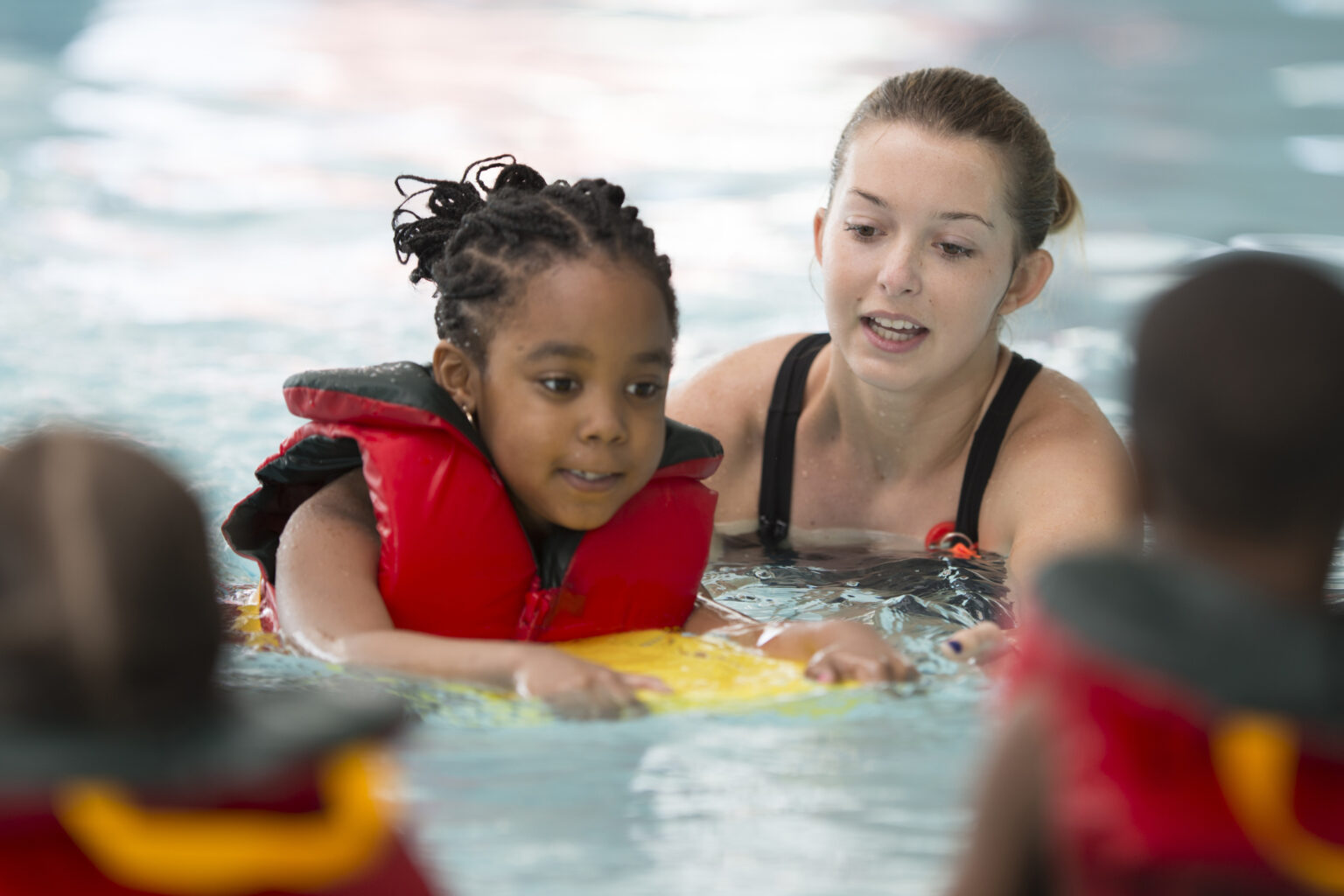
Socially, aquatic therapy provides a low-pressure environment for interaction. The shared experience of water—whether through turn-taking games, synchronized strokes, or simply floating side by side—creates opportunities for connection that feel organic rather than forced. In a pool, eye contact and verbal communication can take a backseat to the shared focus on movement and breath, reducing the pressure that often accompanies traditional social interactions. For autistic individuals who find face-to-face communication overwhelming, the pool offers a neutral ground where relationships can develop organically, free from the constraints of social scripts.
Group aquatic therapy sessions, in particular, can foster a sense of camaraderie and belonging. Watching peers navigate the water, celebrating small victories together, and even engaging in playful splashing can cultivate social skills in a way that feels rewarding rather than obligatory. The water’s ability to dissolve barriers—both literal and metaphorical—creates a space where differences are not just tolerated but celebrated. In this environment, autistic individuals can explore social dynamics at their own pace, building confidence and self-assurance that extends beyond the pool’s edge.
Customizing Aquatic Therapy: Tailoring Interventions to Individual Needs
The effectiveness of aquatic therapy lies in its adaptability. No two autistic individuals share the same sensory profile, motor abilities, or emotional needs, which is why a one-size-fits-all approach is rarely successful. A skilled aquatic therapist begins by conducting a thorough assessment, considering factors such as sensory preferences, motor challenges, and cognitive abilities. For some, the therapy may focus on sensory integration—using water play to desensitize tactile defensiveness or improve body awareness. For others, the emphasis might be on motor planning, breaking down complex movements into manageable steps that build toward fluid swimming strokes.
Props and equipment can further tailor the experience. Flotation devices, underwater weights, and resistance tools can be used to challenge or support an individual’s specific goals. For example, a child with low muscle tone might use ankle weights to build strength, while someone with tactile sensitivities might start with shallow water and gradual immersion to acclimate to the sensation. The therapist’s role is not just to guide movement but to observe, adapt, and respond to the subtle cues that indicate comfort or distress. This dynamic approach ensures that each session is not only therapeutic but also empowering, reinforcing the individual’s sense of agency and control.
Temperature also plays a critical role in customization. Some autistic individuals are highly sensitive to thermal changes, and a pool that is too warm or too cool can disrupt their ability to engage. A therapist may experiment with different water temperatures to find the optimal range—one that promotes relaxation without inducing lethargy or overstimulation. The goal is to create an environment where the individual feels safe, engaged, and motivated to participate, even if that means starting with just a few minutes in the water and gradually increasing the duration.
Overcoming Barriers: Addressing Challenges in Aquatic Therapy
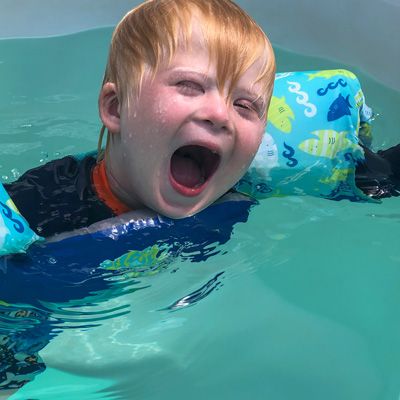
Despite its many benefits, aquatic therapy is not without its challenges. Fear of water, sensory aversions, and physical limitations can pose significant barriers to participation. For some autistic individuals, the fear of submersion or the sensation of water on the face can trigger panic, making it difficult to progress beyond shallow water. In these cases, desensitization techniques—such as using a cup to pour water over the hands or practicing breath control with a snorkel—can help build tolerance gradually. Patience is paramount; rushing the process can reinforce fear and set back progress.
Sensory sensitivities extend beyond tactile input. The smell of chlorine, the echo of voices in an indoor pool, or the visual distraction of rippling water can overwhelm an individual who is already struggling to process their environment. A therapist may address these challenges by choosing quieter pools, using scent-free cleaning products, or incorporating noise-canceling headphones to create a more controlled setting. The key is to identify the specific triggers and modify the environment accordingly, ensuring that the pool remains a place of comfort rather than distress.
Physical limitations, such as joint hypermobility or muscle contractures, may also require creative adaptations. For individuals with limited mobility, aquatic therapy can still be beneficial through seated exercises, water aerobics, or even passive floating with guided limb movements. The buoyancy of water reduces the impact on joints, making it possible for individuals with varying physical abilities to participate in movement-based therapy. The therapist’s role is to find the intersection between the individual’s capabilities and the therapeutic goals, ensuring that each session is both challenging and achievable.
The Long-Term Impact: Aquatic Therapy as a Lifelong Tool
The benefits of aquatic therapy are not confined to childhood or adolescence; they can extend well into adulthood, serving as a lifelong tool for self-regulation and well-being. For autistic adults, the pool can be a sanctuary—a place to decompress after a long day, to reconnect with the body, or to simply enjoy the freedom of movement without the constraints of gravity. Many autistic individuals report that swimming becomes a meditative practice, a way to quiet the mind and find stillness amidst the chaos of daily life.
Moreover, the skills acquired in aquatic therapy can translate to other areas of life. Improved breath control can aid in managing anxiety; enhanced motor coordination can make tasks like driving or cooking feel more accessible; and the confidence gained in the pool can spill over into social interactions, employment, and personal relationships. The water becomes more than a therapeutic tool—it becomes a metaphor for resilience, adaptability, and self-discovery.
As research continues to uncover the neurological and physiological benefits of aquatic therapy, its role in autism intervention will only grow. Yet, perhaps its greatest value lies not in the measurable outcomes, but in the intangible sense of peace and possibility it offers. For autistic individuals, water is not just a medium for therapy; it is a companion, a confidant, and a catalyst for transformation. In its depths, they find not only a path to healing but a reflection of their own innate strength and grace.
The journey through aquatic therapy is one of gentle persistence, where each ripple in the water carries the potential for growth. It is a reminder that healing does not always roar; sometimes, it whispers through the quiet hum of a pool’s embrace, guiding individuals toward a place of balance, connection, and profound self-acceptance.