Every parent embarks on the journey of raising a child with certain expectations: milestones to be met, words to be spoken, and connections to be forged. Yet, sometimes, subtle signals emerge—enigmatic behaviors that challenge conventional understanding and invite a deeper exploration. Early signs of autism are precisely such signals. Recognizing them does not merely equip a parent with awareness; it transforms their perspective on development, illuminating paths toward empathic support and tailored care. Here are ten early indicators that every parent ought to discern, a blueprint for navigating the initial chapters of an autistic child’s story.
1. Atypical Social Reciprocity: The Quiet Disconnect
One of the foundational characteristics of autism is the nuanced difficulty in social interaction. This isn’t merely shyness or reticence, but an evident divergence in the natural give-and-take of social engagement. Infants might show limited eye contact or seem indifferent to their name being called. Toddlers may not respond to smiles or lack a desire to share experiences through gestures like pointing or showing objects. Such a quiet disconnect can be mistaken for aloofness, but it is, in fact, a profound difference in social connectivity and communication.
2. Delayed or Atypical Language Development
Language often serves as the window into a child’s cognitive and social development. Children with autism may experience delays in speaking their first words or may not engage in babbling during their infancy. Some might develop language but use it in atypical ways, such as echolalia—repeating phrases verbatim without communicative intent. Others could exhibit an unusually monotonous tone or possess difficulties with the pragmatics of language, including understanding nuances like sarcasm or idiomatic expressions.
3. Repetitive Behaviors and Stereotypies
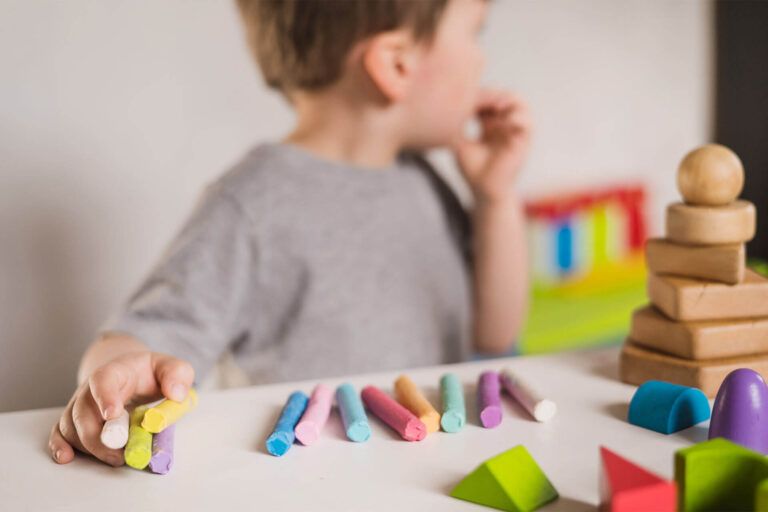
Repetitive movements or behaviors serve as a hallmark of autism. These can take the form of hand flapping, rocking, spinning, or toe walking. Such behaviors might seem like mere quirks but often function as mechanisms for sensory regulation or self-soothing. A child engrossed in lining up toys identically or fixated on spinning objects exemplifies this propensity. Recognizing these stereotypies early can prompt caregivers to discern underlying communicative or sensory needs.
4. Intense Fixations and Restricted Interests
Beyond simple curiosity, many autistic children demonstrate an extraordinary intensity in their focus. They often develop narrow, sometimes esoteric interests that captivate their attention for hours. This fixation on specific objects, topics, or routines is not a fleeting phase but a defining feature. Such interests may seem unusual or overly rigid but are a crucial outlet for cognitive engagement and comfort.

5. Sensory Sensitivities and Atypical Responses
The world unfolds through sensory experiences, but for many autistic children, these inputs can be overwhelming or muted. Sensitivities can manifest as hypersensitivity—aversion to loud noises, certain textures, or bright lights—or hyposensitivity, where a child might seek excessive stimulation through flapping or banging objects. These sensory processing differences often influence behavior profoundly, impacting eating habits, play preferences, and emotional responses.
6. Challenges with Nonverbal Communication
Nonverbal cues, such as facial expressions, gestures, and body language, play a vital role in social interaction. Children exhibiting early autism signs might struggle to interpret or use these cues appropriately. They may rarely point to objects to draw attention or struggle to convey needs effectively through gestures. This challenge creates a silent barrier, making social connections less intuitive and more fraught with misunderstanding.
7. Resistance to Change and Dependence on Routine
A preference for predictability is frequently observed. Sudden changes in environment, routines, or expected sequences of events can provoke distress. This insistence on sameness functions as an anchor amidst the turbulence of a rapidly changing world. For parents, understanding this need grants insight into the child’s inner experience, allowing accommodations that minimize anxiety.
8. Unusual Play Patterns
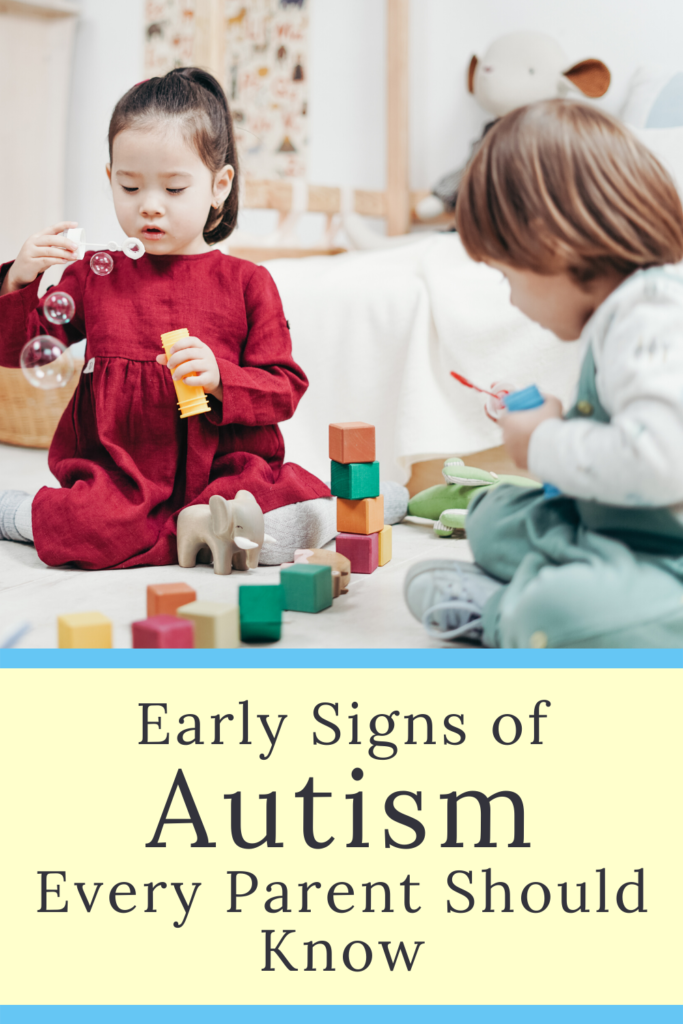
Play offers a window into creativity, socialization, and cognitive development. However, autistic children might engage with toys and play activities differently. Rather than imaginative play involving make-believe or cooperative interactions, they may prefer repetitive exploration of a single toy, focusing on parts rather than the whole. This characteristic behavior isn’t a lack of interest but a distinct mode of interacting with their environment.
9. Emotional Regulation Difficulties
Autistic children often grapple with regulating emotions, displaying intense reactions disproportionate to the triggering situation. These may include sudden meltdowns or shutdowns. Underpinned by sensory overload or communication frustration, such responses highlight the necessity for a patient, understanding approach—one that recognizes the interplay of neurobiology and environment.
10. Early Motor Development Variations
Subtle motor signs can prelude other symptoms. Delays in fine or gross motor skills, awkward gait, or unusual posturing might accompany the autism spectrum. These motor irregularities reinforce the need to perceive autism as a multisystem condition, impacting coordination and physical expression in concert with social and communicative domains.
The revelation of these early signs holds profound implications. It empowers parents not only to seek timely assessments and interventions but also to reframe their understanding of their child’s unique worldview. The tapestry of autism is intricate, woven with threads of difference and potential. Recognizing these signs early cultivates empathy, informs advocacy, and most importantly, nurtures the blossoming of each child’s distinct abilities and spirit.