Recognizing that your child might be autistic can be a pivotal moment in understanding their unique world. Early identification and intervention can profoundly influence developmental trajectories, fostering their potential and ensuring they receive the support necessary for thriving. Autism Spectrum Disorder (ASD) is characterized by a diverse range of behaviors and manifestations, which can make distinguishing signs both intricate and nuanced. This guide will explore ten discernible signs that may suggest your child is autistic and outline vital steps to consider thereafter.
1. Limited Eye Contact and Social Engagement
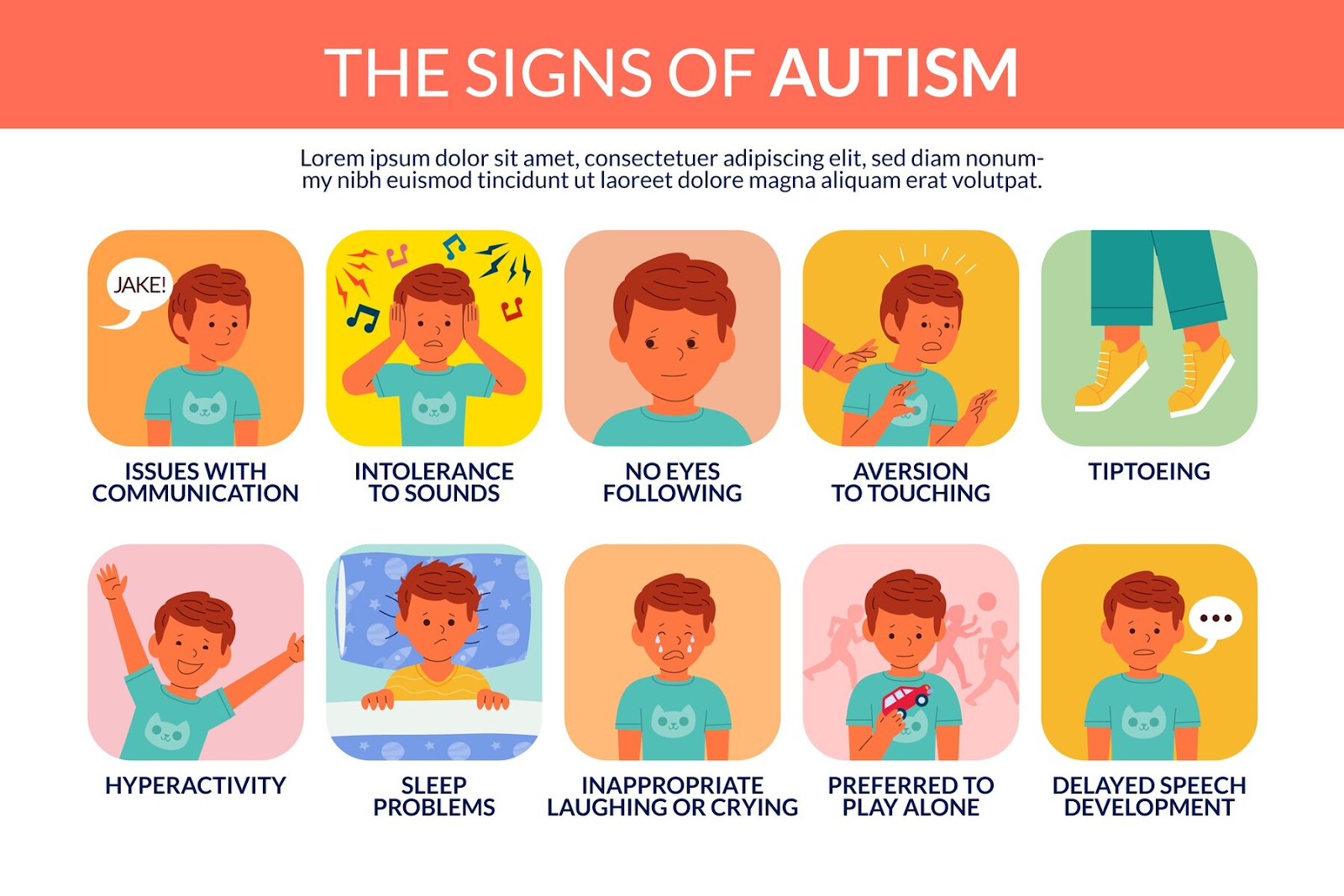
One of the hallmark signs of autism is reduced eye contact. Children on the spectrum may avoid looking directly at faces or may seem disengaged during social interactions. This behavior isn’t indicative of disinterest but rather reflects the neurological differences in processing social stimuli. For instance, your child might prefer to focus on objects or look away during conversations, which can be perplexing to caregivers and educators alike.
2. Delayed or Atypical Speech Development
Communication challenges often surface early. Some children may exhibit a delay in their ability to speak or may use language in unconventional ways. This can range from echolalia—repeating phrases verbatim—to the use of idiosyncratic expressions or even complete silence. It is important to observe if your child is attempting to communicate through gestures or alternative means and whether they respond to their name consistently.
3. Repetitive Behaviors and Restricted Interests
Repetition is a common characteristic in children with autism. Whether it is hand-flapping, rocking, or lining up toys meticulously, these behaviors serve as mechanisms to cope with overwhelming stimuli or to find comfort. Additionally, intensely focused interests on specific topics or objects—sometimes unusual in nature—can predominate their play and conversations. Such behaviors, while seemingly rigid, are often sources of joy and stability for the child.
4. Sensory Sensitivities
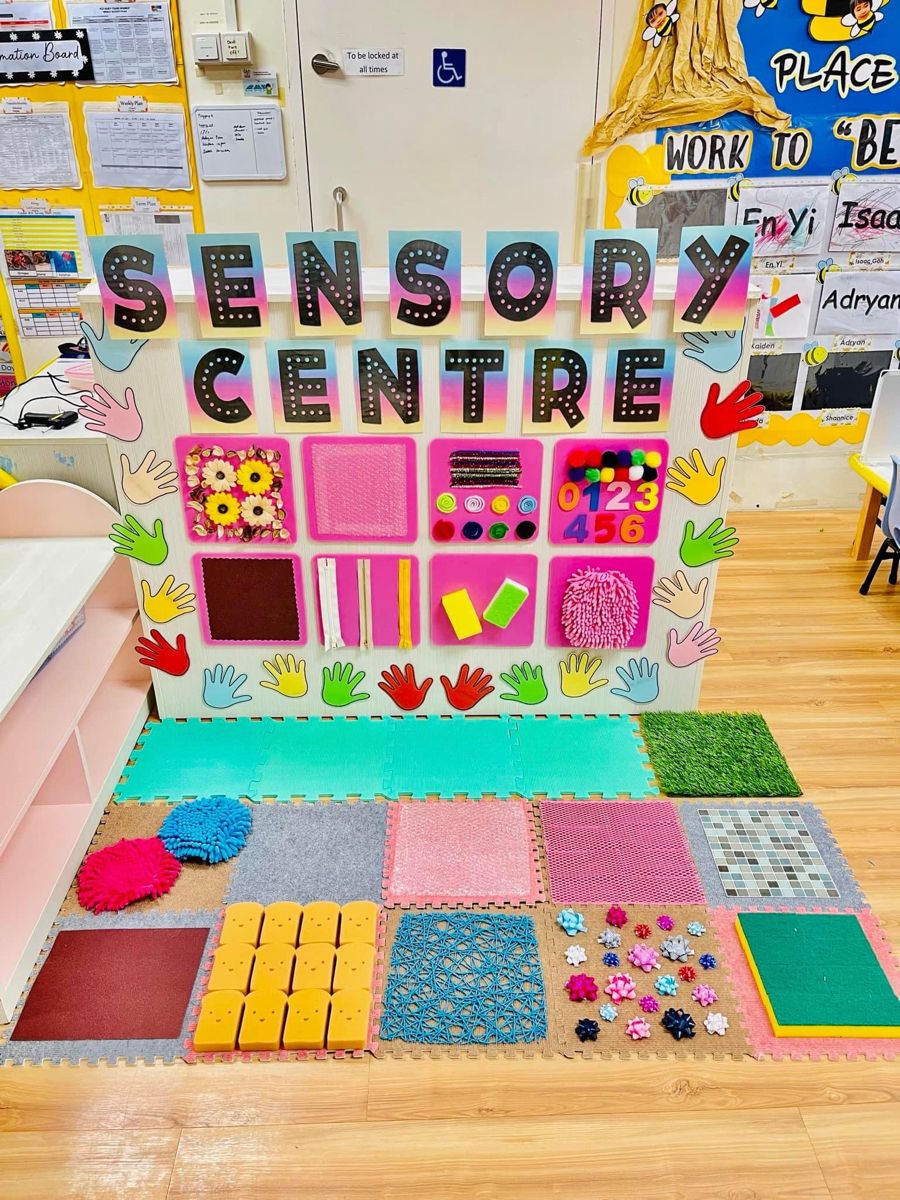
Many autistic children experience heightened or diminished sensitivities to sensory inputs. This may manifest as an aversion to loud noises, bright lights, or certain textures. Conversely, some may crave intense sensory experiences, like deep pressure or spinning. This sensory dysregulation affects their everyday functioning and comfort. Identifying these sensitivities early allows caregivers to create more accommodating environments.
5. Difficulty with Social Reciprocity
The intricate dance of social give-and-take can be challenging for an autistic child. They may struggle to initiate or sustain conversations, interpret nonverbal cues, or understand others’ emotions. This challenge in reciprocity often leads to misunderstandings and social isolation, despite a genuine desire for connection. Observing your child’s social interactions in various settings can reveal patterns that warrant further evaluation.
6. Challenges with Play and Imagination
Play is a vital avenue for learning and socialization, yet autistic children might prefer solitary play or demonstrate limited imaginative play compared to their peers. They often gravitate toward repetitive activities that focus on objects or routines rather than engaging in pretend scenarios. While this can seem limiting, it is essential to respect and gradually expand these play patterns to encourage creativity and social skills.
7. Rigid Routines and Distress with Change
Predictability brings comfort to many children on the spectrum. Sudden changes in routines, environments, or schedules can trigger significant distress or even meltdowns. This inflexibility is not mere stubbornness but reflects a neurological need for consistency to mitigate anxiety. Observing your child’s reactions to change provides insight into their coping mechanisms and can help tailor supportive strategies.
8. Unusual Motor Movements or Postures
Some children might display atypical motor behavior such as toe walking, clumsiness, or repetitive body movements. These motor peculiarities can be subtle yet persistent and may impact coordination or participation in certain physical activities. Identifying these signs early aids in integrating appropriate therapies that can enhance motor skills and overall quality of life.
9. Exceptional Memory or Skills in Specific Areas
While challenges are common, many autistic children exhibit remarkable abilities or heightened memory in particular domains, such as music, mathematics, or visual arts. These “splinter skills” often emerge alongside difficulties and should be nurtured to bolster self-esteem and learning opportunities. Recognition of such strengths shifts the narrative from disability to potential.
10. Atypical Emotional Expressions
Expressing emotions in recognizably typical ways can be a hurdle. Children with autism may show blunted affect or convey emotions in inconsistent manners. They might laugh, cry, or become upset in situations that seem incongruent to observers. Understanding this atypical emotional expression is critical in providing empathetic support and fostering emotional intelligence through tailored interventions.
What to Do Next: Steps Toward Support and Understanding
Observing these signs is just the beginning. If concerns arise, the foremost action is consulting a pediatrician or developmental specialist. Formal evaluations may involve a multidisciplinary team, including psychologists, speech therapists, and occupational therapists, providing comprehensive assessments. Early diagnosis opens doors to intervention programs tailored to the child’s strengths and challenges.
Engaging with autism support networks and communities also enriches knowledge and fosters connections. Intervention approaches such as Applied Behavior Analysis (ABA), speech therapy, and sensory integration therapies can be instrumental. Importantly, families should advocate for individualized education plans (IEPs) within school systems to ensure that their child’s learning environment is optimized for success.
Equally crucial is cultivating a nurturing atmosphere at home, emphasizing patience, routine, and communication adjusted to your child’s pace. Embracing the uniqueness of your child encourages resilience and a sense of belonging. Progress might be gradual, but every small milestone marks significant advancement.
Understanding autism is a journey of empathy, patience, and continuous learning. While the signs may initially present challenges, they also highlight the diverse ways children experience the world. Recognizing these indicators and acting deliberately equips families to support their children not just to cope, but to flourish.