Creating an environment where every student thrives can often require more than just a traditional classroom setup. For children on the autism spectrum, the typical educational environment, with its cacophony of sensory inputs and social expectations, can be particularly challenging. However, shifting our perspective and embracing tailored accommodations can transform classrooms into sanctuaries of learning and growth. The following 25 autism-friendly classroom accommodations illuminate a path toward inclusivity, fostering not only academic success but also emotional resilience and self-confidence.
1. Structured and Predictable Environment
Routine is an anchor for many autistic students. Establishing a clear and consistent daily schedule reduces uncertainty and anxiety. Visual timetables or illustrated planners placed in prominent locations can help students anticipate transitions and upcoming activities. This predictability cultivates a sense of security, mitigating sensory overload triggered by sudden changes.

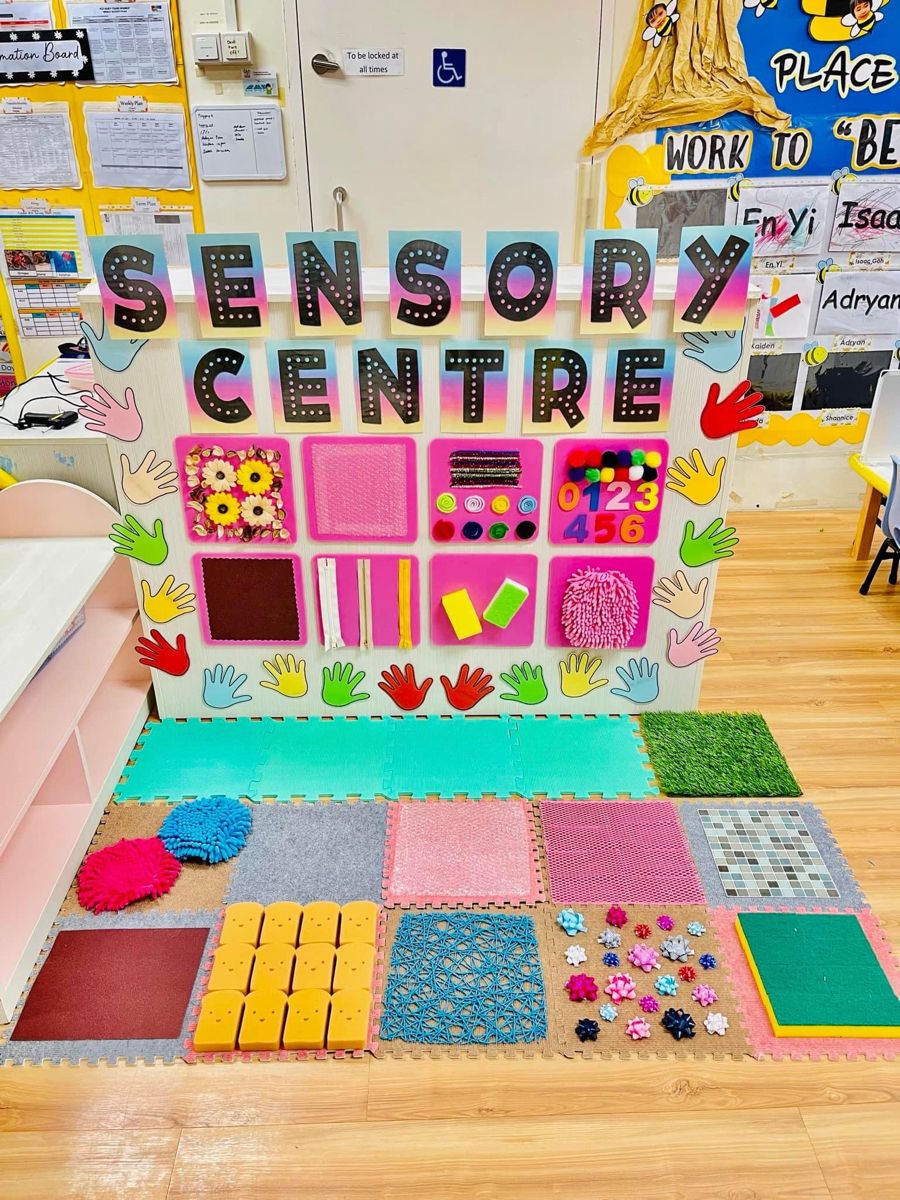
2. Sensory-Friendly Spaces
Creating designated quiet zones or sensory corners equipped with noise-canceling headphones, soft lighting, and tactile objects offers students a break from overwhelming stimuli. These havens function as emotional reset buttons, empowering students to self-regulate and return to tasks with renewed focus.
3. Clear and Concrete Communication
Abstract language and idioms may perplex some autistic learners. Using precise, literal instructions accompanied by visual supports helps bridge comprehension gaps. For instance, pairing verbal prompts with pictures or gestures allows for dual sensory input, enhancing understanding.
4. Flexible Seating Options
Rigid seating arrangements can exacerbate restlessness or discomfort. Offering alternatives such as wobble stools, bean bags, or standing desks gives students autonomy to choose what supports their attention best. Such flexibility respects diverse sensory preferences and physical needs.
5. Visual Supports for Transitions
Transitions can be disorienting moments. Employing countdown timers, visual cues, or transition cards signals impending changes in activity, allowing students to prepare mentally and emotionally. This proactive approach diminishes behavioral challenges associated with abrupt shifts.
6. Alternative Response Modalities
Encouraging students to demonstrate understanding through gestures, drawings, or technology-assisted communication devices honors different expressive strengths. This accommodation recognizes that verbal output is not the sole indicator of knowledge or engagement.
7. Chunking of Instructions
Delivering complex instructions in smaller, manageable chunks with pauses for processing facilitates better comprehension. This method prevents cognitive overload, empowering students to complete tasks with confidence rather than confusion.
8. Peer Buddy Systems
Assigning empathetic peers as buddies fosters social inclusion and provides naturalistic support during unstructured times. Peer buddies can model appropriate behaviors and aid in interpreting social cues, enriching social learning organically.
9. Reduced Visual Clutter
Minimalistic classroom decor and clear organization minimize distractions caused by excessive stimuli. Clean whiteboards, labeled storage, and color-coded materials direct focus to instructional content, aiding attentiveness.
10. Use of Technology and Assistive Devices
Incorporating tablets, speech-to-text software, or apps designed to support executive functioning can personalize learning experiences. These tools can scaffold skills such as organization, communication, and self-monitoring.
11. Modified Assignments and Timelines
Allowing extensions, reduced workloads, or alternative formats for assignments accommodates varied processing speeds and sensory sensitivities. This flexibility emphasizes mastery over adherence to rigid timelines.
12. Explicit Social Skills Instruction
Structured lessons on social norms, conversational turn-taking, and body language enhance students’ self-awareness and interpersonal efficacy. Role-playing and social stories further embed these skills in practical contexts.
13. Positive Behavior Supports
Implementing proactive, reinforcement-based behavior strategies aligned with individual motivators promotes positive engagement. Visual reward charts or token economies recognize effort consistently and tangibly.
14. Access to Occupational Therapy Strategies
Incorporating recommended sensory integration techniques within daily routines, such as proprioceptive input or fine motor exercises, can improve regulation and physical comfort. Collaboration with therapists ensures accommodations are individualized and effective.
15. Clear Expectations and Rules
Providing explicit and consistently reinforced guidelines aids in reducing ambiguity. Visual rule cards or social stories clarify expected behaviors, fostering a safe and orderly environment.
16. Allowing Movement Breaks
Scheduled opportunities for physical activity help dissipate excess energy and improve concentration. Integrating short stretches, walks, or sensory-based exercises can recalibrate attention and reduce stress.
17. Minimizing Sensory Triggers
Reducing fluorescent lighting flicker, providing sunglasses, or controlling classroom noise levels addresses sensory sensitivities. These accommodations proactively prevent discomfort that could interfere with learning.
18. Personalized Learning Goals
Tailoring objectives to individual strengths, interests, and challenges creates meaningful pathways to growth. Individualized Education Programs (IEPs) that reflect student voices empower ownership over learning.
19. Use of Social Narratives
Social narratives and scripts outline expected interactions or procedures, preparing students for new experiences. These narratives demystify social complexities and ease transitions into unfamiliar situations.
20. Simplified and Consistent Language
Consistent use of familiar vocabulary and avoidance of sarcasm or idiomatic expressions nurtures comprehension. When new terms are introduced, they should be paired with context and visuals.
21. Encouragement of Special Interests
Integrating students’ passions into lessons capitalizes on intrinsic motivation, making learning more engaging. Whether through themed projects or relevant examples, this strategy honors individual identity.
22. Safe Exit Options
Providing an easily accessible means to leave the classroom discreetly ensures students can self-manage moments of overwhelm without stigma. This accommodation emphasizes respect for autonomy and emotional regulation.
23. Collaborative Team Approach
Regular communication among teachers, therapists, families, and students fosters consistency and holistic understanding. Shared strategies and feedback loops optimize effectiveness of accommodations.
24. Use of Clear Visual Boundaries
Defining personal spaces or activity zones with visual markers helps students navigate physical and social boundaries confidently. This clarity minimizes confusion and potential conflicts.
25. Encouraging Self-Advocacy
Teaching students to recognize and communicate their needs builds lifelong skills. Providing tools—for instance, communication cards or checklists—supports autonomy and emotional intelligence.
Embracing these autism-friendly accommodations not only transforms the classroom environment but redefines our understanding of teaching and learning. It challenges educators to move beyond conventional methods and cultivate empathy, flexibility, and innovation. When classrooms resonate with the diverse needs of all learners, every student has the opportunity to illuminate their unique potential. The promise of this shift is profound: education becomes not a barrier, but a bridge—connecting differences into strengths and nurturing every child’s capacity to flourish.