Autism spectrum disorder (ASD) manifests uniquely in every child, often emerging in the toddler years. Early identification is pivotal in providing timely intervention that can dramatically improve developmental outcomes. Understanding the nuanced red flags that indicate a potential developmental divergence equips caregivers and professionals to act decisively and compassionately. This discourse elucidates the quintessential markers of autism in toddlers and delineates pragmatic subsequent steps for families and health practitioners.
Recognizing Behavioral Red Flags in Toddlers
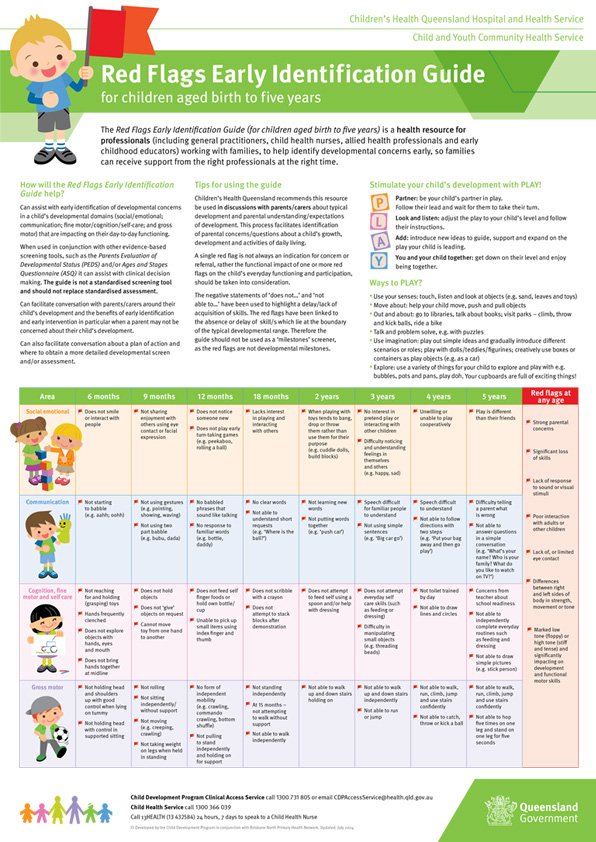
One of the most salient indicators in early autism screening encompasses atypical social interactions. Often, toddlers on the spectrum exhibit diminished eye contact, a hallmark that may initially appear subtle but is profoundly telling. Unlike their neurotypical peers, these children might avert gaze during engagement or fail to respond to their name consistently. This atypical social reciprocity extends to limited sharing of emotions, interests, or enjoyment with others.
Language and communication anomalies also provide critical clues. Delays in babbling, lack of gestural communication like pointing, and absence of two-word phrases by 24 months warrant attention. Some toddlers may develop language skills but subsequently regress, losing previously acquired vocabulary—a red flag necessitating immediate evaluation.
Furthermore, repetitive behaviors or stereotypies, including hand-flapping, rocking, or fixations on specific objects, often emerge as early manifestations. These perseverative actions may seem trivial but represent the child’s atypical sensory modulation and coping mechanisms.

Understanding the Spectrum: Diverse Presentations and Sensory Sensitivities
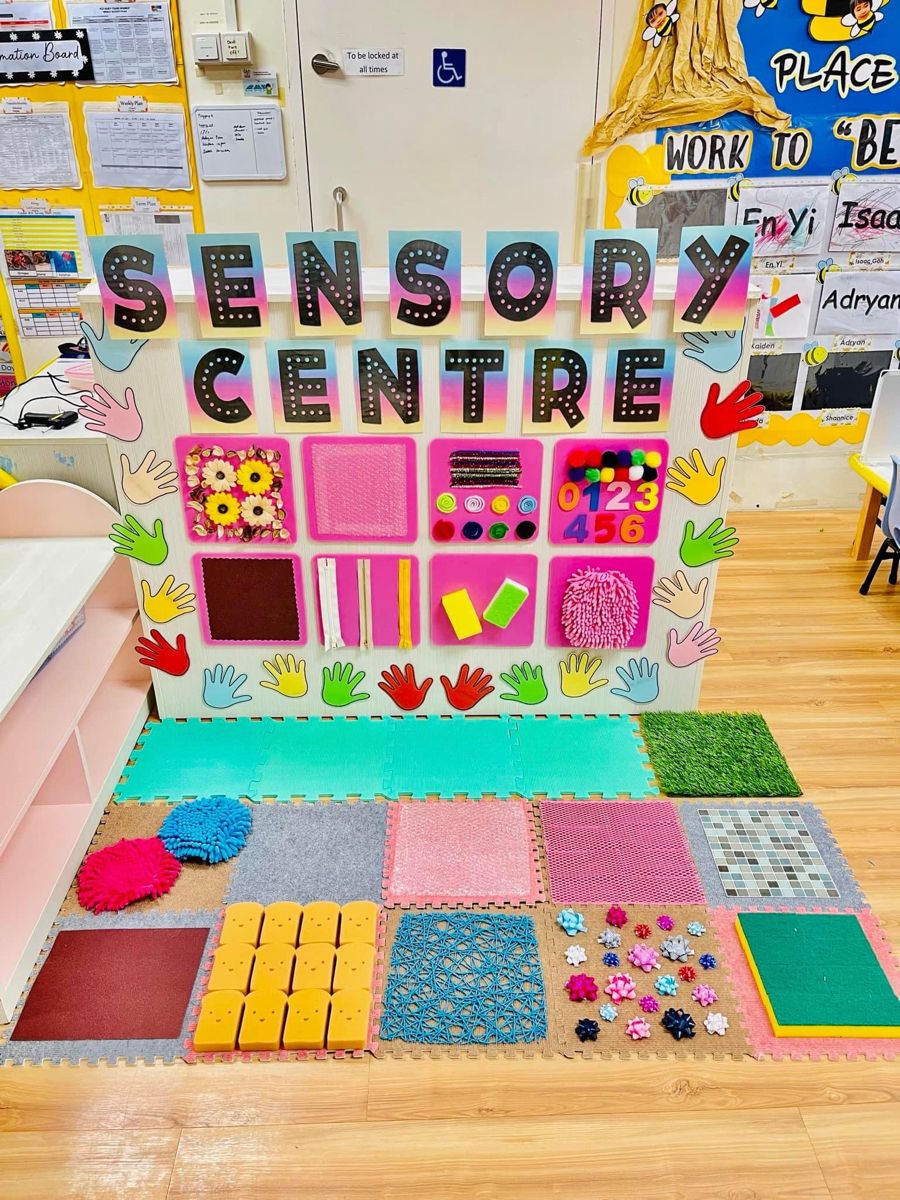
The spectrum nature of autism means that presentations are far from homogeneous. While some toddlers may display pronounced behavioral differences, others may exhibit more insidious, subtle signs that challenge prompt recognition. Sensory sensitivities often complicate behaviors, with some children demonstrating hyper- or hypo-reactivity to stimuli such as sounds, textures, or lights. These sensitivities can profoundly influence daily functioning and social participation.
Clinicians emphasize that the coalescence of these sensory challenges with social communication deficits forms the diagnostic core of ASD. Being vigilant about such atypical responses can aid caregivers in differentiating between transient developmental phases and persistent patterns indicative of autism.
Feeding Issues as Early Indicators
Feeding challenges often coexist with other early signs of autism in toddlers. These issues transcend mere picky eating; they can include texture aversions, prolonged feeding times, or difficulties coordinating the motor activities required for eating. Such eating difficulties may contribute to nutritional deficiencies and amplify parental concern.
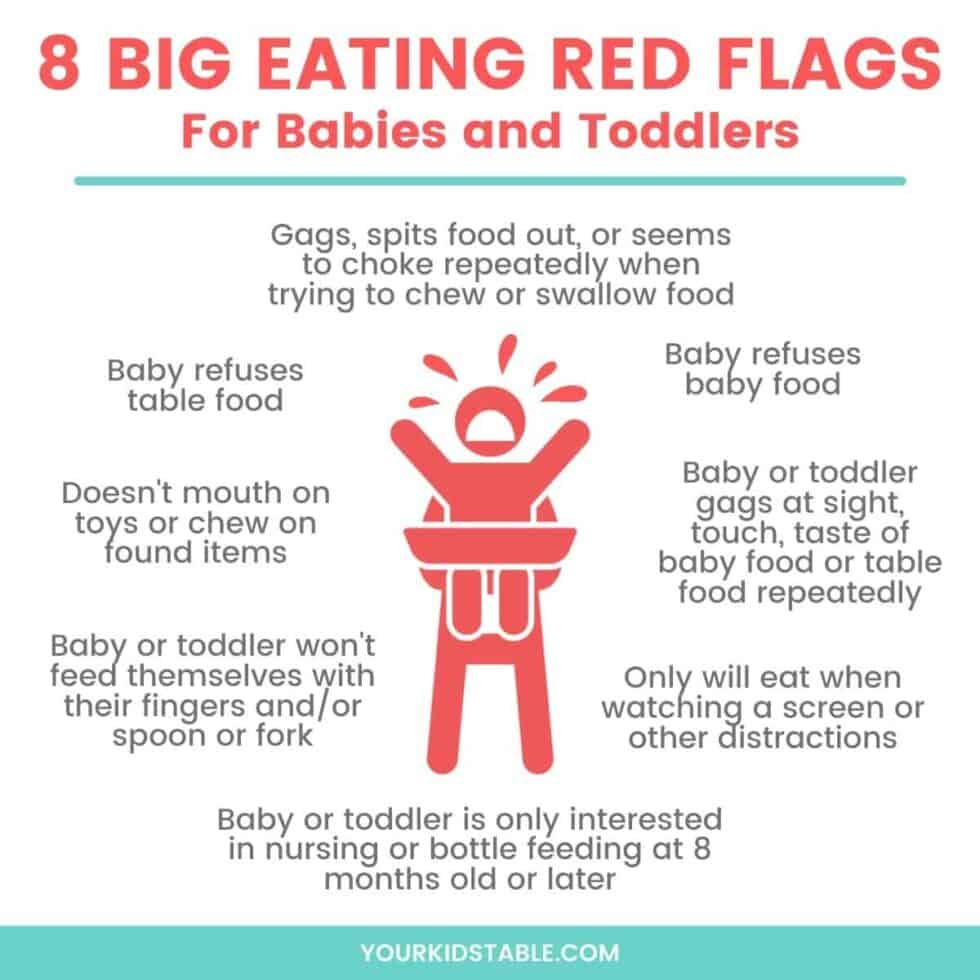
Feeding behaviors, often overlooked, are vital in the comprehensive assessment of early developmental anomalies. Attention to these subtleties complements the broader diagnostic picture, urging multidisciplinary collaboration between pediatricians, speech therapists, and occupational therapists.
Early Screening and Diagnostic Procedures
The American Academy of Pediatrics advocates for routine autism screenings at 18 and 24 months during well-child visits. Screening tools such as the Modified Checklist for Autism in Toddlers (M-CHAT) deploy structured questionnaires that help identify children requiring in-depth evaluation. These screenings are instrumental in bridging the gap between parental concerns and clinical assessment.
Comprehensive diagnostic assessments typically involve developmental pediatricians and multidisciplinary teams. They encompass detailed developmental histories and standardized tests focusing on communication, social interaction, and behavior. Crucially, diagnosis hinges on longitudinal observation, ensuring that transient developmental variances are not misclassified as autism.
Intervention Strategies: Tailoring Early Support
Once autism is identified, early intervention becomes the fulcrum of therapeutic strategy. Evidence robustly supports that timely, individualized intervention paradigms optimize cognitive, communicative, and adaptive skills. Applied Behavior Analysis (ABA), speech therapy, and occupational therapy constitute foundational elements in the intervention matrix.
Family involvement galvanizes the efficacy of these interventions. Training parents to implement communication strategies and behavioral supports in naturalistic settings fortifies the child’s developmental trajectory. Additionally, nurturing environments enriched with sensory accommodations promote sustained engagement and learning.
Resources and Support Networks
The path post-diagnosis can be daunting. Access to comprehensive resources—from educational materials and support groups to specialized clinics—is indispensable for families navigating autism’s complexities. Many organizations offer guidance on navigating health services, securing educational accommodations, and fostering community connections.
Peer support forums and caregiver networks afford invaluable emotional sustenance and practical advice. These communities often serve as critical lifelines, empowering families through shared experiences and collective advocacy.
Conclusion: Proactive Vigilance and Empathetic Engagement
Identifying autism in toddlers necessitates astute observation of developmental red flags intertwined with a holistic appreciation of the child’s unique behavioral tapestry. Social, communicative, sensory, and feeding anomalies collectively guide early detection efforts. Screening and diagnostic processes, coupled with early intervention, offer transformative potential to children on the spectrum.
The journey demands unwavering commitment from caregivers, clinicians, and educators alike. With vigilance, compassion, and access to resources, strides can be made to unlock each child’s potential, fostering inclusion and enriching lives. Early steps forge the foundation for a lifetime of growth and achievement.