Social interaction forms the very fabric of human connection, weaving together nuanced cues, shared experiences, and unspoken understandings. For individuals with autism spectrum disorder (ASD), navigating this intricate social landscape can often be fraught with challenges. These difficulties are multifaceted, extending beyond mere reluctance or shyness, and instead encompass nuanced impairments in communication, perception, and reciprocity. This exploration delves into the common social interaction difficulties faced by those on the autism spectrum, illuminating the underlying intricacies and providing insight into strategies that can support more fulfilling social experiences.
Understanding the Nuances of Social Communication in Autism
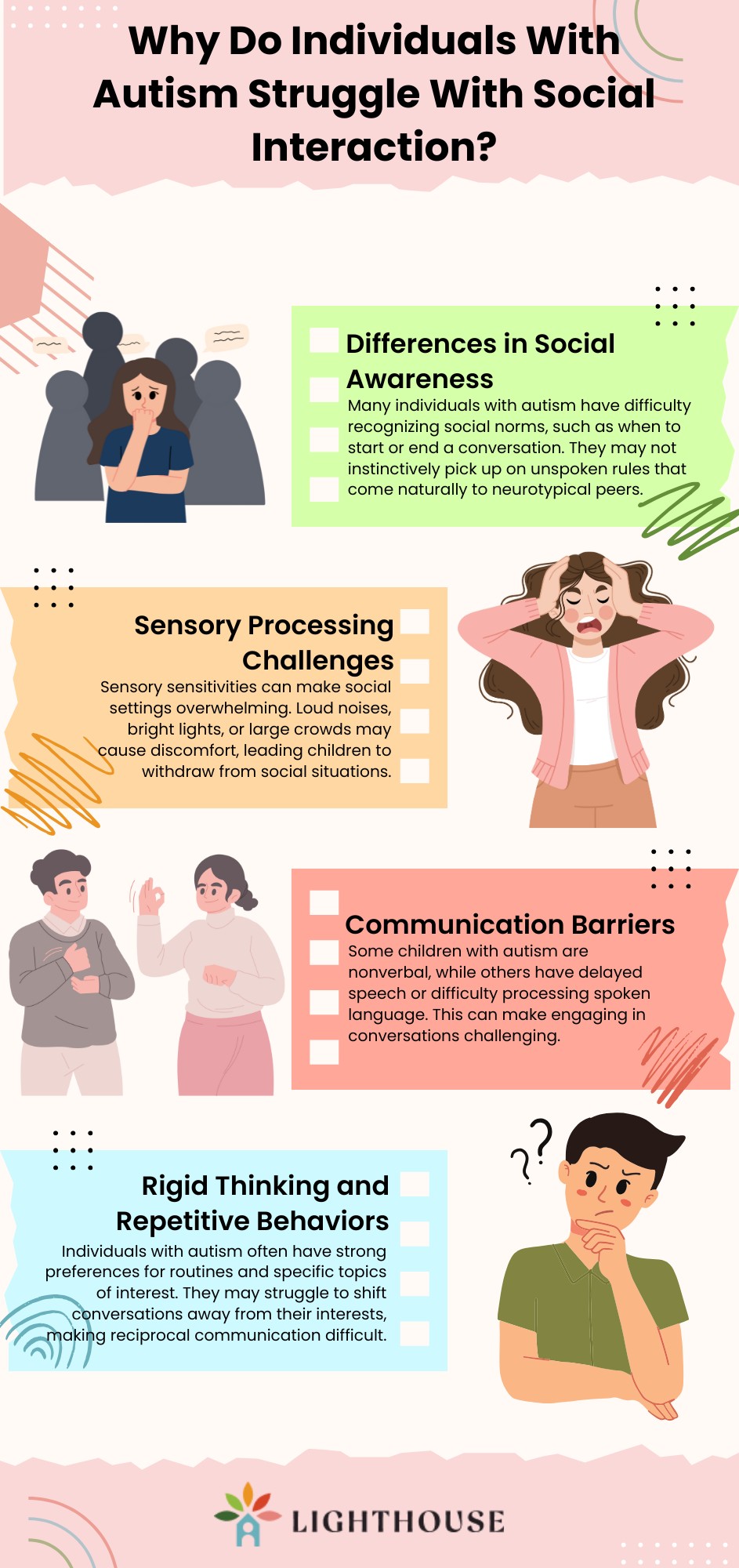
At the core of the social interaction difficulties experienced by individuals with autism lies a fundamental divergence in processing social cues. These cues include, but are not limited to, facial expressions, body language, tone of voice, and subtle contextual signals that most people interpret effortlessly. For many on the spectrum, interpreting these nonverbal elements involves a complex cognitive load, which can result in miscommunication or social disconnect.
Verbal communication also poses distinctive challenges. Syntax and semantics may be preserved, but the pragmatic use of language—understanding irony, idioms, or indirect requests—is often impaired. Consequently, individuals may take statements literally or struggle to modulate the pace and tone of their own speech, leading to interactions that feel incongruous to neurotypical counterparts.
Reciprocal Social Interaction: Challenges in Engagement and Response
Reciprocity is a cornerstone of human relationships: the give-and-take in conversation, mutual sharing of emotions, and coordinated behaviors that build rapport. However, many individuals with autism experience difficulty in initiating, maintaining, or responding to social exchanges in conventional ways. This can manifest as delayed responses, reduced eye contact, or difficulty interpreting the emotional states of others.
Such impairments may lead to unintentional social withdrawal or being perceived as aloof. The challenge stems not from a lack of interest in social connection but from an altered cognitive framework in processing and executing the dynamic, fluid nature of interpersonal interactions.
Challenges in Developing and Maintaining Peer Relationships
Forming and sustaining friendships often requires subtly attuned social skills, including shared attention, empathy, and understanding social hierarchies. Individuals with autism frequently face obstacles in these domains. Difficulties in interpreting peer behaviors or adhering to unwritten social conventions can result in social exclusion or misunderstandings.
Moreover, differences in interests or communication styles may contribute to feelings of isolation. However, when given appropriate support, many individuals with ASD develop profound, lasting friendships built on mutual respect and understanding.

The Role of Sensory Sensitivities in Social Difficulties
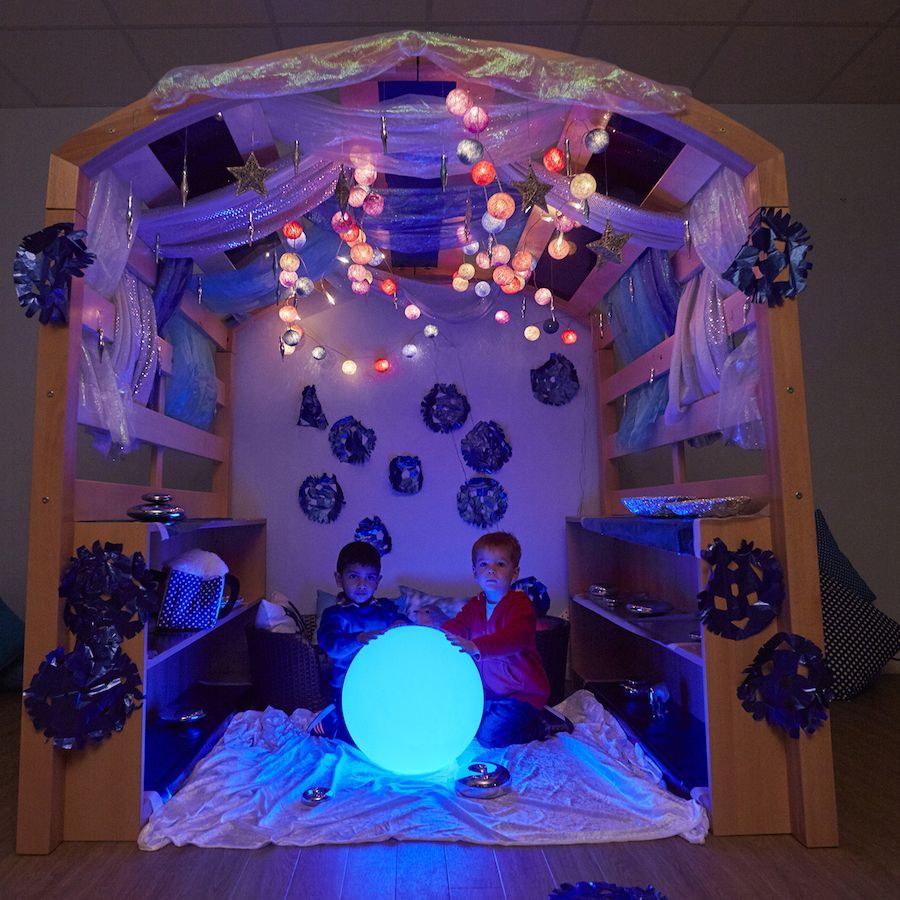
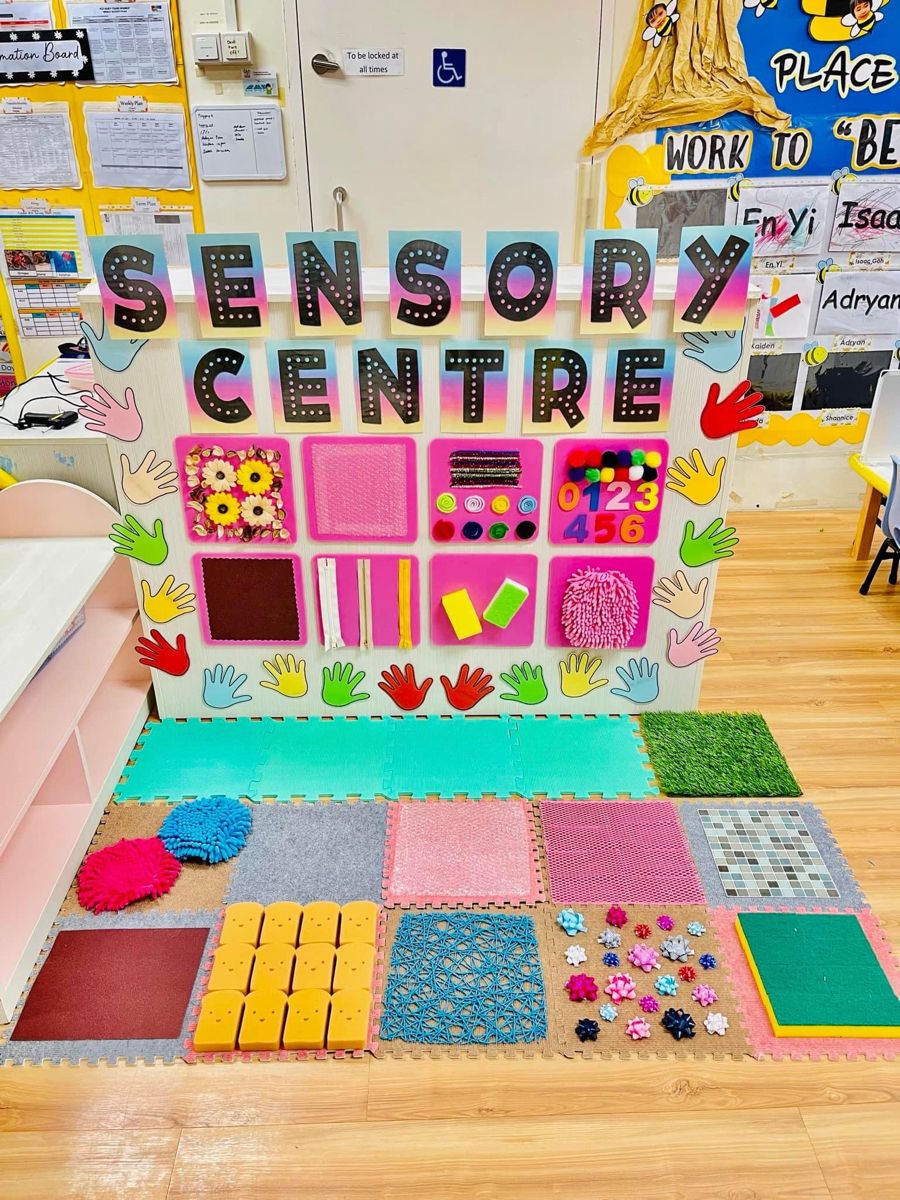
Beyond cognitive and communicative factors, sensory processing differences play a pivotal role in social interaction challenges. Over- or under-sensitivity to environmental stimuli—such as loud noises, bright lights, or physical touch—can create barriers to engaging fully in social settings.
For instance, a bustling social gathering might overwhelm sensory thresholds, leading to withdrawal or distress. Such reactions are often misinterpreted by others, complicating social integration further. Understanding the interplay between sensory processing and social engagement is essential for creating environments that accommodate diverse needs.
Strategies and Supports for Enhancing Social Interaction
Various interventions and supports exist to ameliorate social difficulties associated with autism. Social skills training, often conducted in structured settings, teaches the nuances of conversation, body language, and perspective-taking. Role-playing scenarios and video modeling are effective modalities for rehearsing real-world situations safely.
Technology also offers innovative aids—interactive apps and virtual reality platforms—that simulate social interactions to increase confidence and competence. Additionally, fostering inclusive environments that emphasize acceptance over conformity can empower individuals with autism to express their authentic selves.
Expanding Understanding and Cultivating Empathy
To truly support those with autism in navigating social interactions, it is imperative to develop a broader societal understanding of their experiences. Recognizing that social challenges are complex and often invisible barriers fosters empathy and patience. Encouraging neurotypical peers to adopt inclusive communication styles—such as clear language and allowing processing time—can significantly ease interactions.
By embracing neurodiversity, society enriches its collective social fabric, creating spaces where all individuals are valued and understood.
In conclusion, the social interaction difficulties in autism are deeply layered, influencing communication, reciprocity, sensory processing, and relationship building. While these challenges are substantial, they are not insurmountable. Through comprehensive understanding, targeted strategies, and compassionate inclusivity, individuals with autism can experience meaningful social connections that enhance their quality of life. The journey toward this goal demands both informed support and societal change—endeavors well worth pursuing.