Applied Behavior Analysis (ABA) therapy has long been heralded as a cornerstone intervention for individuals with autism spectrum disorder (ASD). Yet, as the landscape of autism treatment evolves, so too does the discourse around ABA, inviting a deeper exploration into its promises, limitations, and emerging alternatives. This article ventures beyond the surface, shedding light on the multifaceted nature of ABA therapy while inviting curiosity about complementary and divergent approaches to autism support.
Understanding ABA Therapy: Foundations and Philosophy
ABA therapy is rooted in the principles of behaviorism, a psychological approach that emphasizes the role of environmental stimuli in shaping human behavior. At its core, ABA endeavors to increase desired behaviors and decrease those deemed maladaptive by employing reinforcements, consequences, and systematic observation. Historically, ABA has been applied across various contexts, but its widespread adoption for autism stems from its data-driven methodology and measurable outcomes.

What distinguishes ABA from other therapies is its granular focus on discrete behaviors, coupled with meticulous tracking. This approach promises a scientific rigor rarely matched in psychosocial interventions, offering families palpable progress markers in communication, social skills, and self-care.
The Promises: Why ABA Remains a Pivotal Tool in Autism Support
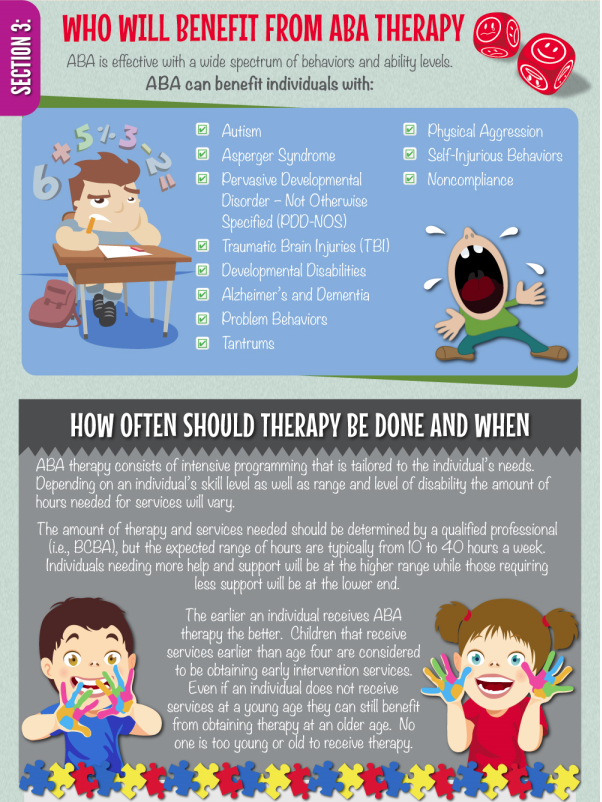
ABA’s structured methodologies enable practitioners to tailor interventions to the unique behavioral repertoire of each individual. Through one-on-one, intensive sessions, children often experience considerable improvements in cognitive and social functioning. The therapy not only targets skill acquisition but also fosters independence and adaptability, invaluable traits for navigating a neurotypical world.
Moreover, ABA’s empirical foundation lends it credibility in clinical and educational settings alike. Insurance coverage often favors evidence-based treatments, making ABA more accessible for many families. The scalability of ABA programs—from early intervention to school-based supports—underscores its versatility in addressing the heterogeneous presentations of autism.
Unearthing the Cons: Ethical Concerns and Criticisms
Despite these promising facets, ABA has attracted scrutiny from various quarters. A principal critique centers on the therapy’s intensive nature—often requiring 20-40 hours weekly—which can be overwhelming for both the individual and their family. The regimented structure, critics argue, risks prioritizing conformity over authentic self-expression.
Furthermore, some detractors highlight the potential for ABA to inadvertently suppress natural behaviors by labeling them as ‘undesirable.’ This approach, they contend, risks perpetuating a deficit-based model that may sideline the autistic individual’s autonomy and lived experience. Ethical discussions increasingly emphasize the importance of informed consent and collaboration, advocating for interventions that respect the dignity and preferences of the person receiving therapy.
Exploring Alternatives: Broadening the Therapeutic Horizon
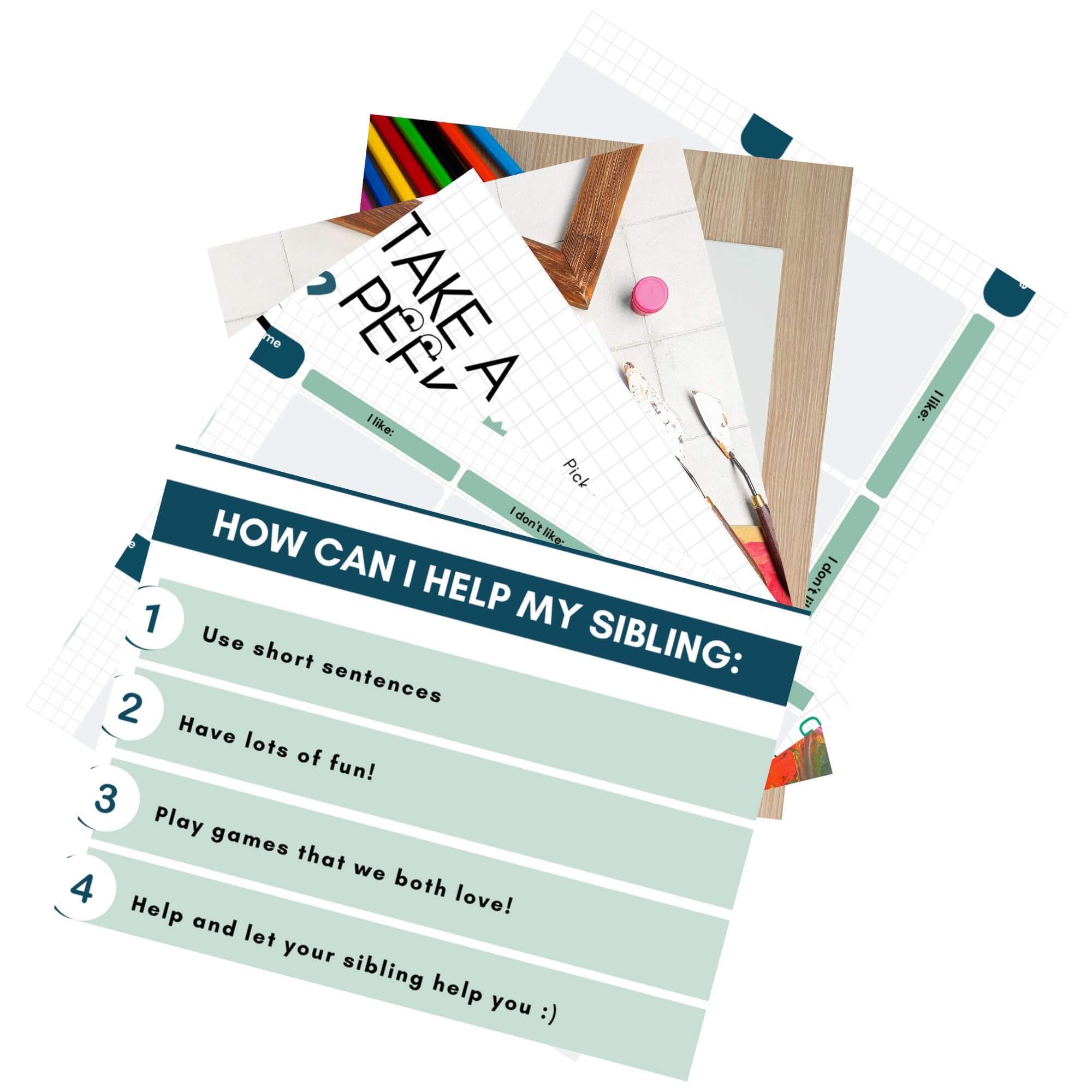
As the autism community’s voices grow louder, new paradigms and complementary therapies are emerging. Developmental, Individual Difference, Relationship-Based (DIR) models, such as Floortime, emphasize emotional and social growth over discrete behavioral modification. These approaches prioritize naturalistic interactions and child-led discovery, fostering connections rather than compliance.
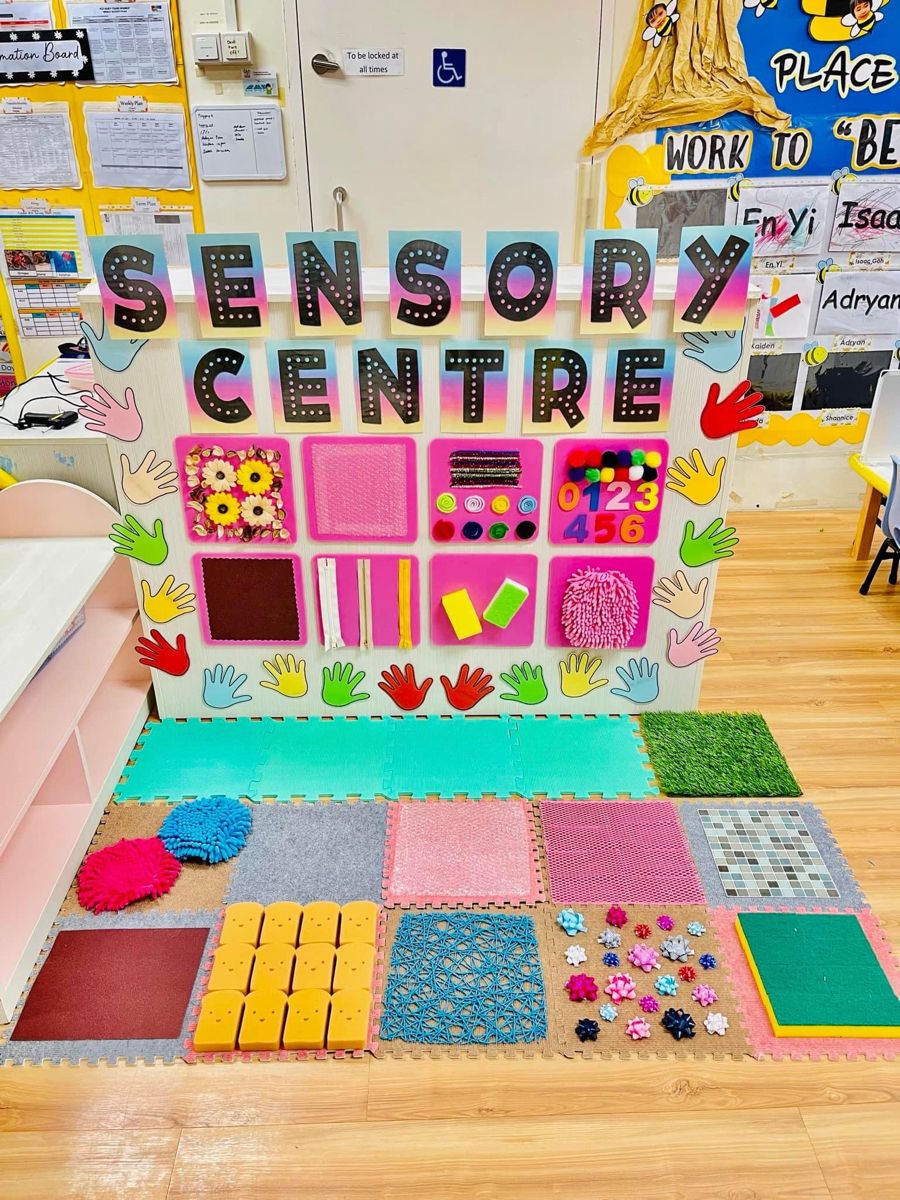
Occupational therapy, speech and language therapy, and sensory integration also serve as vital adjuncts, addressing the complex sensory and communicative challenges inherent in autism. Their focus on enhancing quality of life broadens the narrative beyond behavior to embrace holistic development.
Moreover, emerging frameworks centered on neurodiversity advocate celebrating cognitive differences rather than seeking to ‘normalize’ behavior. These perspectives inspire alternative therapeutic goals—such as empowerment, self-advocacy, and community inclusion—that align more closely with the lived realities of autistic individuals.
Navigating Choices: Tailoring Interventions to Individual Needs
Deciding on an intervention is seldom straightforward. Each individual’s profile—cognitive, communicative, sensory, and social—demands a bespoke approach. Families and clinicians increasingly recognize the value of eclectic models, integrating ABA elements with relationship-focused therapies for a balanced strategy.
Continuous monitoring and flexibility become paramount. What works early in life may evolve, necessitating shifts in therapeutic focus. Open dialogues involving caregivers, educators, therapists, and most critically, the autistic person themselves, pave the way for ethical, effective, and meaningful support.
The Road Ahead: Embracing Complexity and Curiosity
ABA therapy stands at a crossroads, emblematic of the broader tension between conventional behavioral science and burgeoning neurodiversity movements. This juncture invites curiosity about not just what therapies seek to achieve, but how they define success in the context of autism.
Innovations in technology, such as virtual reality and AI-assisted interventions, hint at transforming the therapeutic milieu. Coupled with evolving cultural attitudes that embrace difference over deficit, the future of autism support promises to be as diverse as the individuals it aims to serve.
Ultimately, the discourse around ABA therapy serves as a microcosm of larger societal shifts—toward empathy, respect, and nuance in understanding human variation. This evolving narrative encourages stakeholders to weigh evidence with ethical considerations, prioritize the voices of autistic individuals, and remain open to the ever-expanding spectrum of possibilities.